
 Save to Pinterest
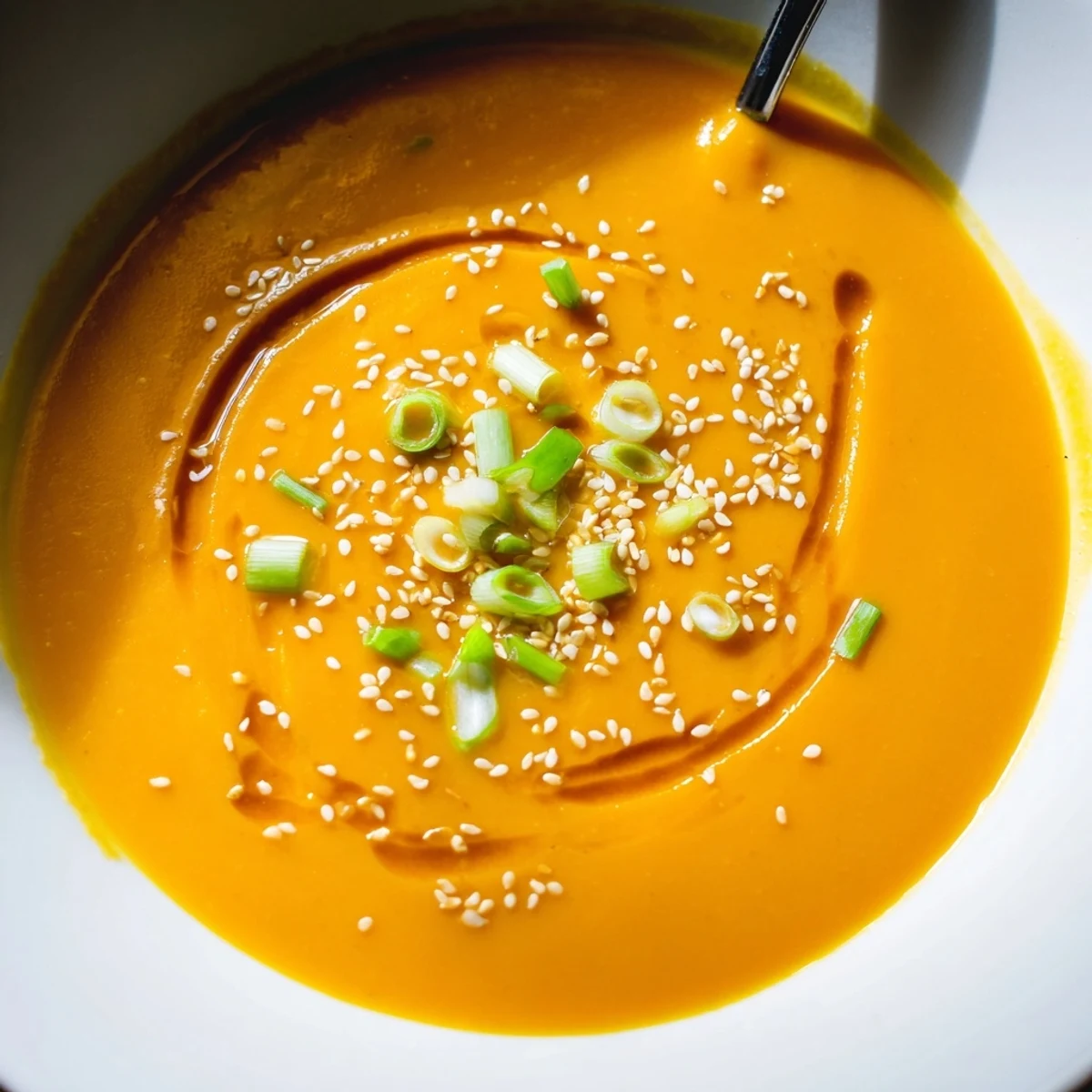
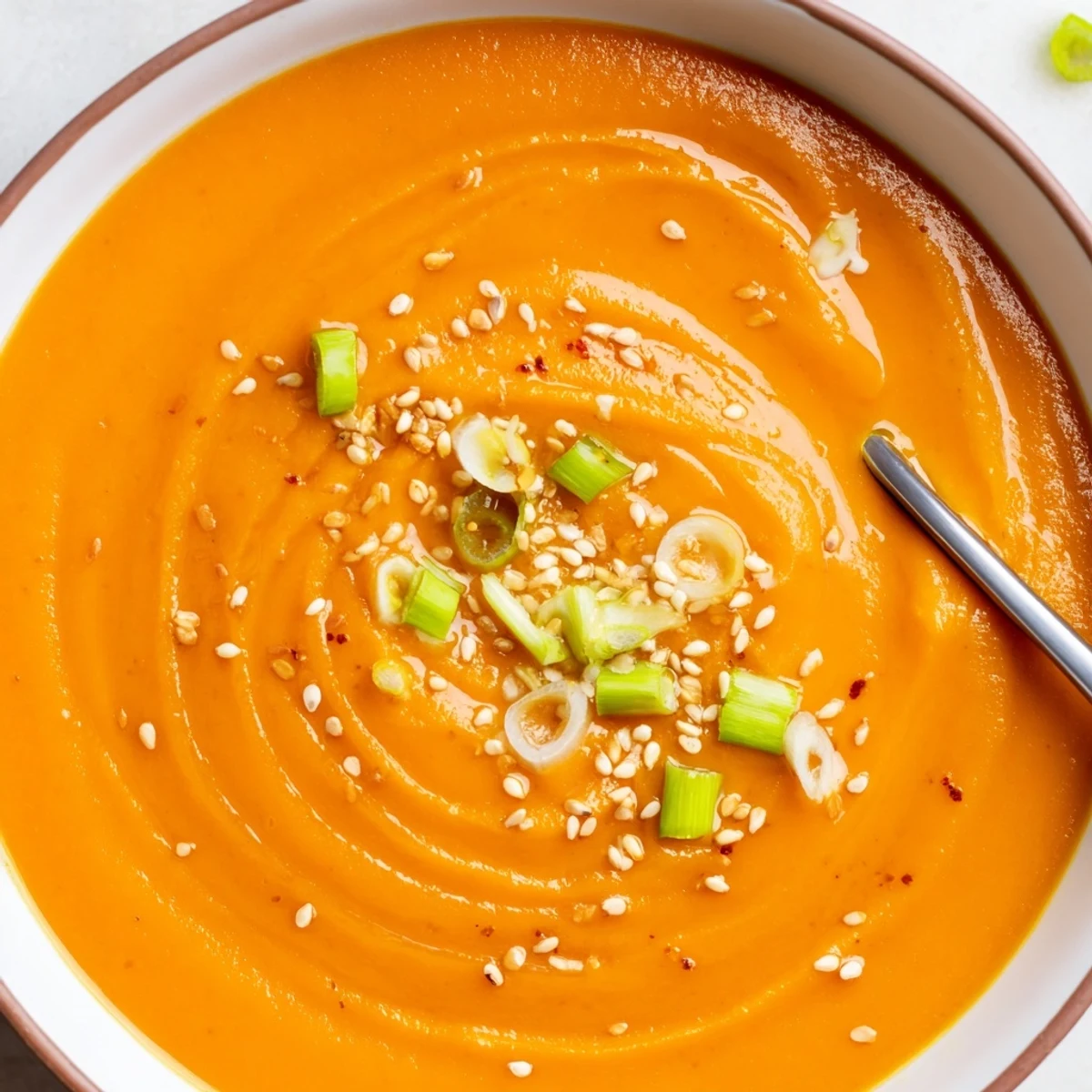
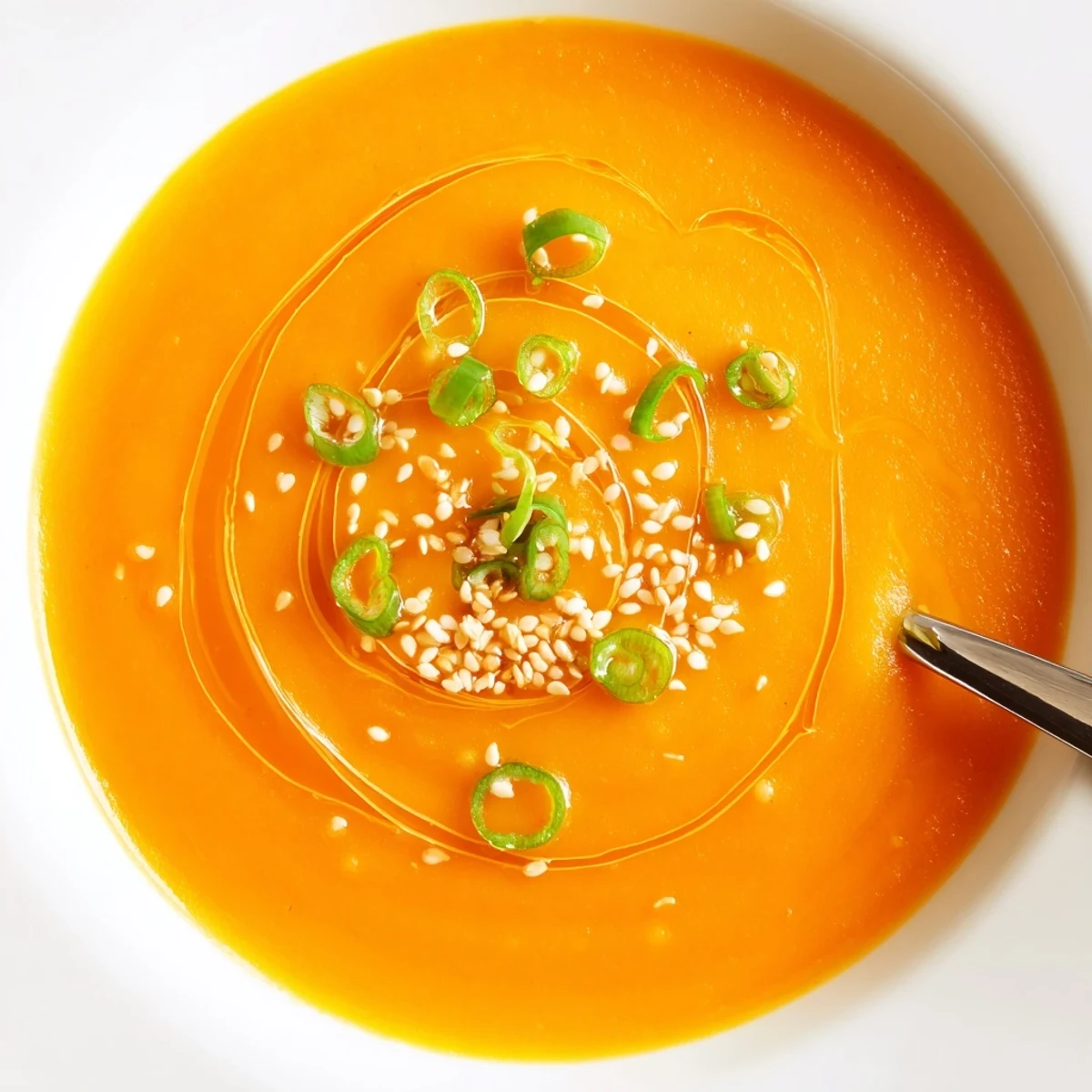
 Bright carrots and grated ginger simmered in low-sodium vegetable broth become a smooth, silky base once pureed. Stirred with white miso and a splash of soy or tamari, the soup keeps its umami and warmth if warmed gently rather than boiled. Ready in about 40 minutes, it’s vegetarian and dairy-free; garnish with scallions, sesame seeds or a drizzle of sesame oil for texture and aroma.
The rain was hammering against the kitchen window and I had a bag of carrots staring me down from the counter when I decided enough was enough. I had miso paste sitting in the fridge door for weeks, quietly judging me every time I reached for the butter. That afternoon, something magical happened between the ginger and the miso, and I have never looked at a carrot the same way since.
My neighbor Karen knocked on my door while I was blending the second batch I ever made, holding a package she had misdelivered to her house. She stood frozen in the doorway, inhaling deeply, and then asked if I had lost my mind because the smell was making her weak. She stayed for two bowls and now texts me every rainy Tuesday asking if the soup is on.
Ingredients
- 1 lb carrots, peeled and sliced: The soul of this soup, so pick the brightest orange ones you can find because color equals flavor here.
- 1 medium yellow onion, diced: It builds the savory base that makes everything else taste richer.
- 2 cloves garlic, minced: Fresh is nonnegotiable since the jarred stuff tastes flat in something this simple.
- 1 inch fresh ginger, peeled and finely grated: This is the warm kick that lifts the whole pot from boring to unforgettable.
- 4 cups low sodium vegetable broth: Low sodium matters because the miso brings plenty of salt on its own.
- 1 cup water: This thins the soup just enough so it does not turn into baby food texture.
- 3 tbsp white or yellow miso paste: The umami powerhouse, and always stir it in off heat to keep it alive.
- 1 tbsp olive oil: Just enough to soften the onions without overwhelming the delicate flavors.
- 1 tbsp soy sauce or tamari: A sneaky layer of depth that rounds out the sweetness of the carrots.
- Salt and black pepper: Only at the end, and only after you taste because miso is saltier than you think.
- Optional toppings: Chopped scallions, toasted sesame seeds, or a drizzle of sesame oil for anyone who wants a little extra magic.
Instructions
- Wake up the onions:
- Heat the olive oil in a large pot over medium heat and add the diced onion, stirring occasionally until it turns soft and translucent, about three to four minutes. You will know you are on the right track when the kitchen starts smelling like comfort.
- Bloom the aromatics:
- Toss in the minced garlic and grated ginger, stirring constantly for about one minute until your nose tells you everything is working. Be careful not to let the garlic brown because bitter garlic will haunt the whole pot.
- Introduce the carrots:
- Stir in the sliced carrots and let them cook alongside the aromatics for two to three minutes so they pick up all that flavor from the bottom of the pot. They will start to glisten slightly and that is exactly what you want.
- Simmer everything down:
- Pour in the vegetable broth and water, bring it to a boil, then drop the heat and let it simmer for fifteen to twenty minutes until the carrots are fork tender. This is a good time to tidy up or stare out the window for a while.
- Blend until silky:
- Remove the pot from heat and use an immersion blender to puree until completely smooth, or carefully transfer to a countertop blender in batches. Either way, keep blending longer than you think you need to because that velvety texture is the whole point.
- Stir in the miso:
- Return the soup to low heat and whisk in the miso paste and soy sauce, stirring gently until the miso dissolves completely. Never let it boil after this step or you will kill the probiotics and flatten the flavor.
- Season and serve:
- Taste the soup and add salt and pepper only if it truly needs it, then ladle into bowls and finish with whatever toppings make you happy. Serve it steaming hot with good bread nearby.
 Save to Pinterest
 The night I made this for my friend who was going through a brutal breakup, she sat quietly at my table eating without saying a word for ten solid minutes. Then she looked up and said she felt like she could breathe again, and I realized soup is sometimes the only language that works.
When to Pull Out This Recipe
This is my cold weather answer to everything from a scratchy throat to a gloomy Sunday afternoon. It also works beautifully as a starter course before a heavier dinner because it warms people up without filling them. I have even served it chilled in summer with an extra squeeze of lime and it shocked me how well it worked.
Swaps and Variations
Red miso will give you a deeper, earthier bowl that feels more like a restaurant dish, while yellow miso stays mellow and family friendly. A swirl of coconut milk on top makes it feel luxurious, and microgreens add a fresh crunch that contrasts the silkiness perfectly. I once threw in a handful of sweet potato I needed to use up and it was so good I almost prefer that version now.
Getting the Texture Right
The difference between good soup and great soup is often just patience with the blender. If you want it restaurant smooth, pour it through a fine mesh strainer after blending. Here are a few final things to keep in mind before you start.
- Always save a little broth to thin the soup at the end if it gets too thick.
- An immersion blender is easier to clean but a countertop blender gives you a smoother result.
- Taste the soup at the very end before adding salt because miso is deceptive in its saltiness.
 Save to Pinterest
 Keep this one in your back pocket for the days when you need something warm without needing to think too hard. A pot of carrots and ginger can do more healing than you expect.
Recipe FAQs
- → Can I make this gluten-free?
-
Yes. Use a certified gluten-free miso and tamari in place of regular soy sauce. Check labels for hidden gluten in packaged broths or seasonings.
- → How do I preserve the miso's flavor?
-
Remove the pot from heat before adding miso and whisk it in at low temperature. Avoid boiling after adding miso to protect its delicate umami and beneficial cultures.
- → Will roasting the carrots change the dish?
-
Roasting concentrates sweetness and adds caramelized depth. Roast at 425°F (220°C) for 20–25 minutes before simmering to create a richer, slightly smoky profile.
- → Is an immersion blender okay to use?
-
Yes. An immersion blender makes quick work of puréeing directly in the pot and reduces transfers. For ultra-smooth texture, blend in batches in a countertop blender.
- → How should I adjust saltiness?
-
Miso and soy/tamari add salt, so season lightly at the end. Taste after whisking in miso and add small amounts of salt or soy to reach the desired balance.
- → Can this be frozen?
-
Pureed soup freezes well. Cool completely, transfer to airtight containers leaving headspace, and freeze up to 3 months. Thaw in the fridge overnight and reheat gently.