
 Save to Pinterest
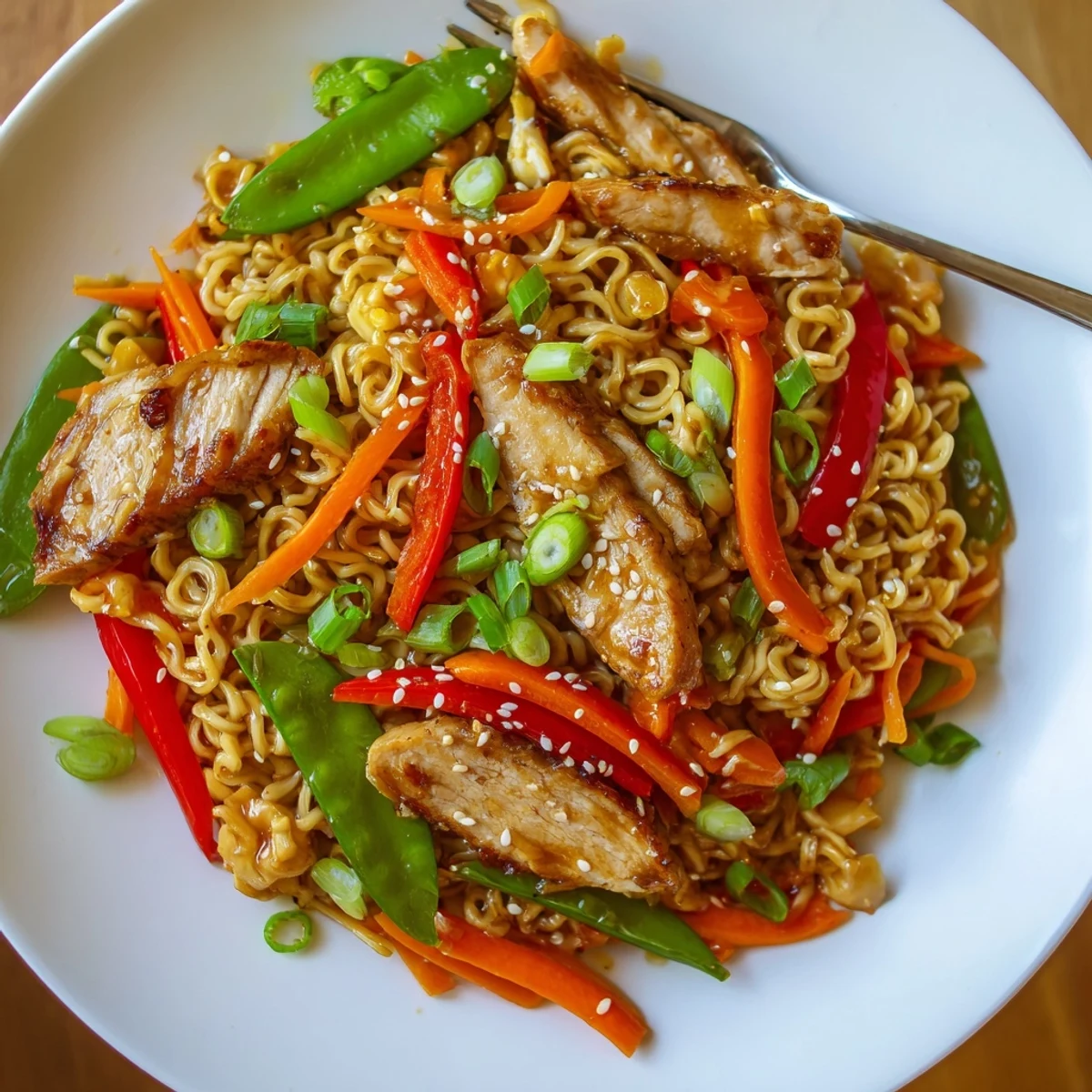
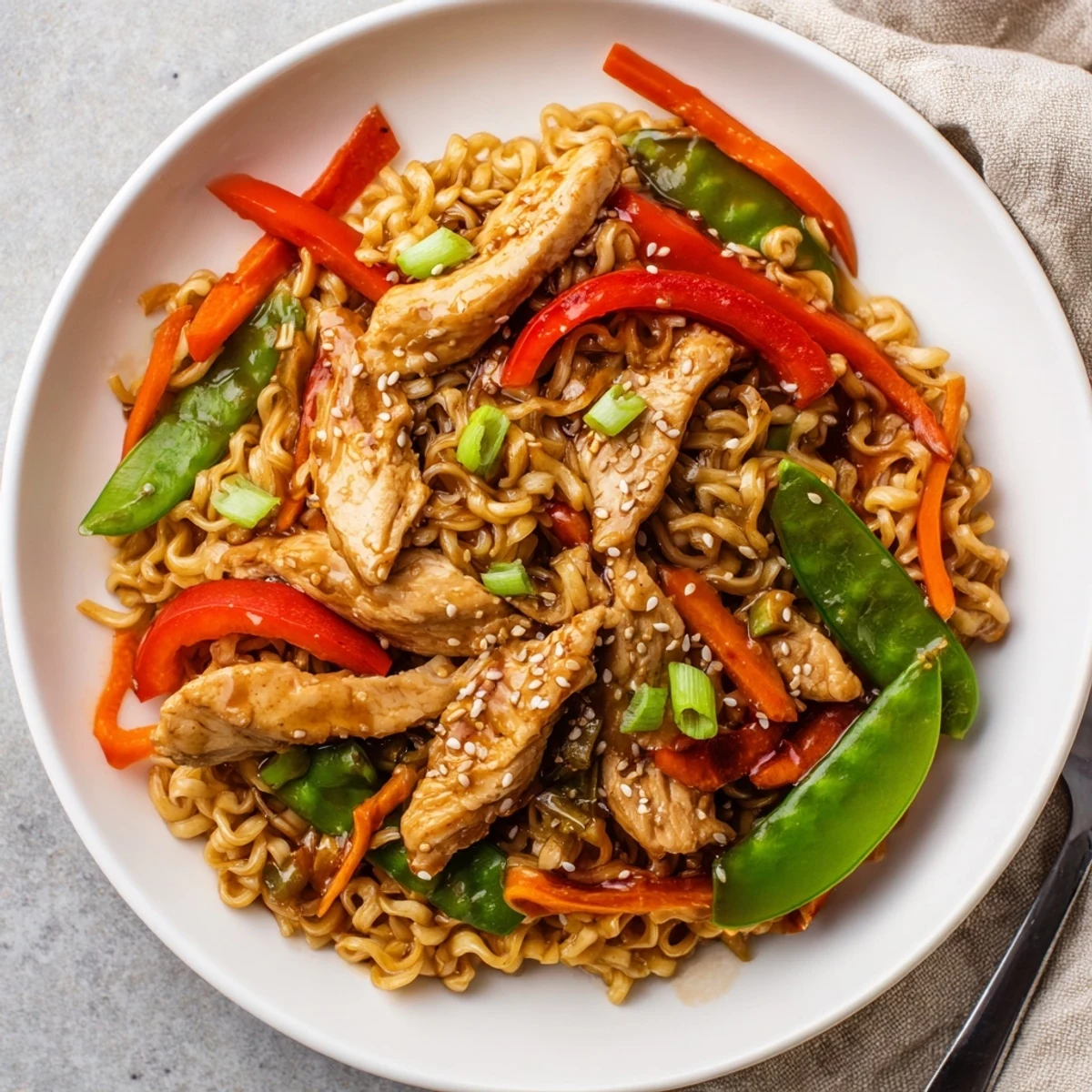
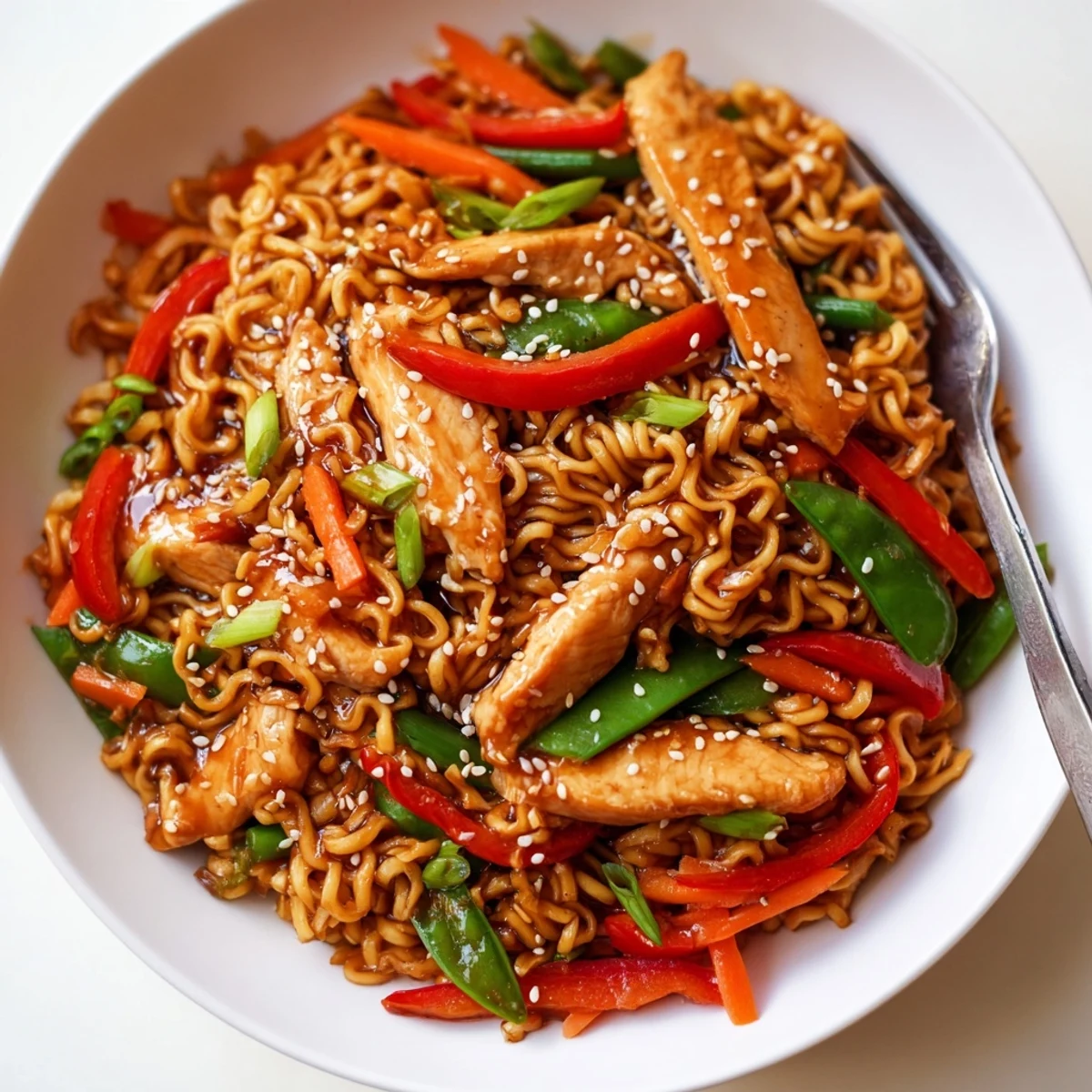
 Thinly sliced chicken is seared until golden, then combined with cooked ramen and crisp vegetables—bell pepper, snap peas and carrots—in a soy-hoisin-honey sauce. The sauce is whisked with a touch of cornstarch so it reduces and coats noodles evenly. Finish with toasted sesame seeds and green onions for crunch and brightness.
The sizzle of chicken hitting a screaming hot wok on a Tuesday evening is, in my opinion, one of the most underappreciated kitchen sounds. My neighbor once knocked on my door mid stir fry convinced I had set off an alarm, and we ended up eating ramen noodles together standing at the counter. That chaotic night birthed a weekly tradition I now guard fiercely.
I once made this for my sister who claimed she hated snap peas, and she went back for thirds without a shred of guilt. There is something about the way the vegetables stay slightly crisp against the chewy noodles that disarms even the pickiest eaters at the table.
Ingredients
- 2 boneless skinless chicken breasts, about 350 g, thinly sliced: Slice against the grain while the chicken is still partially chilled for the most tender results.
- 2 packs instant ramen noodles, about 180 g, seasoning packets discarded: Those little foil packets have their place, but not here, where the homemade sauce does all the heavy lifting.
- 1 red bell pepper, thinly sliced: Red specifically adds a sweetness and vibrant color that green or yellow just cannot replicate in this context.
- 1 cup snap peas, about 100 g, trimmed: Leave them whole for satisfying snappy texture throughout the dish.
- 2 medium carrots, julienned: Matchstick cuts matter here because they cook at the same rate as the other vegetables.
- 2 green onions, sliced: Save a handful for garnish because the raw bite on top is pure magic.
- 2 cloves garlic, minced: Fresh is nonnegotiable since the jarred stuff gets bitter in a hot wok.
- 1 tbsp fresh ginger, grated: Use a microplane and freeze your ginger beforehand for effortless grating.
- 1/4 cup low sodium soy sauce, about 60 ml: Low sodium lets you control the salt level without sacrificing that deep umami backbone.
- 2 tbsp oyster sauce: This is the secret weapon that makes everything taste restaurant quality.
- 1 tbsp hoisin sauce: A touch of sweetness and body that rounds out the savory edges beautifully.
- 1 tbsp honey or brown sugar: Honey caramelizes slightly in the wok and helps the sauce cling to the noodles.
- 2 tsp sesame oil: Added at the sauce stage rather than for cooking because toasted sesame oil burns and turns bitter fast.
- 1/4 cup chicken broth or water, about 60 ml: Broth adds another layer of flavor but water works in a pinch.
- 1/2 tsp cornstarch: Just enough to give the sauce a glossy coating texture without turning it into gravy.
- 1 tbsp toasted sesame seeds: Toast them yourself in a dry pan for thirty seconds and taste the difference immediately.
Instructions
- Cook the noodles:
- Boil the ramen according to package directions, skip the seasoning, drain them well, and toss with a tiny drop of oil so they do not glue themselves into a sad block.
- Build the sauce:
- Whisk soy sauce, oyster sauce, hoisin, honey, sesame oil, broth, and cornstarch in a bowl until the cornstarch disappears completely and the mixture looks silky.
- Sear the chicken:
- Get the wok ripping hot with a splash of oil, lay the chicken in a single layer, and let it sit undisturbed for a minute before tossing so it actually caramelizes instead of steaming.
- Toss the vegetables:
- Into the same wok go garlic, ginger, bell pepper, snap peas, and carrots, stir frying until the edges blister but the centers stay loud and crisp.
- Bring it all together:
- Return the chicken, dump in the noodles, pour the sauce over everything, and toss aggressively for two to three minutes until each noodle glistens and the sauce thickens around them.
- Finish and serve:
- Kill the heat, shower with sesame seeds and raw green onions, and get it to the table immediately while the wok aroma is still filling the room.
 Save to Pinterest
 The best version of this dish I ever made was on a rainy Sunday when I had no plans and nowhere to be, which somehow made every toss of the wok feel meditative. Food always tastes different when you are not watching the clock.
Making It Your Own
Chili flakes or a confident drizzle of sriracha stirred into the sauce will wake everything up if you like heat. Broccoli florets, sliced mushrooms, or baby corn swap in seamlessly depending on what is wilting in your crisper drawer.
Swapping the Protein
Extra firm tofu pressed and cubed gets insanely golden in a hot wok, and shrimp cooks in under two minutes which makes this even faster. Thinly sliced beef flank steak is another route entirely, rich and deeply satisfying.
Getting the Texture Right Every Time
The difference between good stir fry and great stir fry is entirely about heat management and timing. Keep the wok hot, keep things moving, and pull it off the stove thirty seconds before you think it is done because carryover cooking is real.
- Use the largest wok or skillet you own because surface area is your best friend here.
- Serve in warmed bowls because cold plates steal heat from stir fry faster than you expect.
- Leftovers reheat beautifully in a dry skillet with a splash of water to loosen the sauce.
 Save to Pinterest
 Some meals simply make the ordinary feel like a celebration, and this is one I return to without ever tiring of it. May your wok be hot and your noodles perfectly saucy every single time.
Recipe FAQs
- → Can I use fresh or dried noodles instead of instant ramen?
-
Yes. Fresh egg noodles or dried Asian-style noodles work well; cook them to package directions, drain and rinse briefly to stop cooking before tossing in the stir-fry.
- → How do I keep the noodles from getting soggy?
-
Cook noodles slightly under al dente, rinse under cold water to stop residual heat, and add them to the pan last so they only heat through while absorbing sauce.
- → Which cut of chicken is best for this dish?
-
Boneless, skinless breasts sliced thinly cook quickly and remain tender; boneless thighs add extra flavor and stay juicy under high heat.
- → How can I add heat or extra flavor?
-
Stir in chili flakes, sriracha, or sliced fresh chilies. A splash of rice vinegar or extra grated ginger brightens the sauce, while a finishing drizzle of toasted sesame oil boosts aroma.
- → What are good vegetarian or protein swaps?
-
Firm tofu (pressed and seared), shiitake or oyster mushrooms, or shrimp are good alternatives. Adjust cooking times: tofu and mushrooms need browning; shrimp cook very quickly.
- → How do I thicken the sauce so it coats the noodles?
-
Whisk cornstarch into the sauce liquid before adding it to the hot pan. Toss everything over high heat for a few minutes so the sauce reduces and clings to the noodles.