
 Save to Pinterest
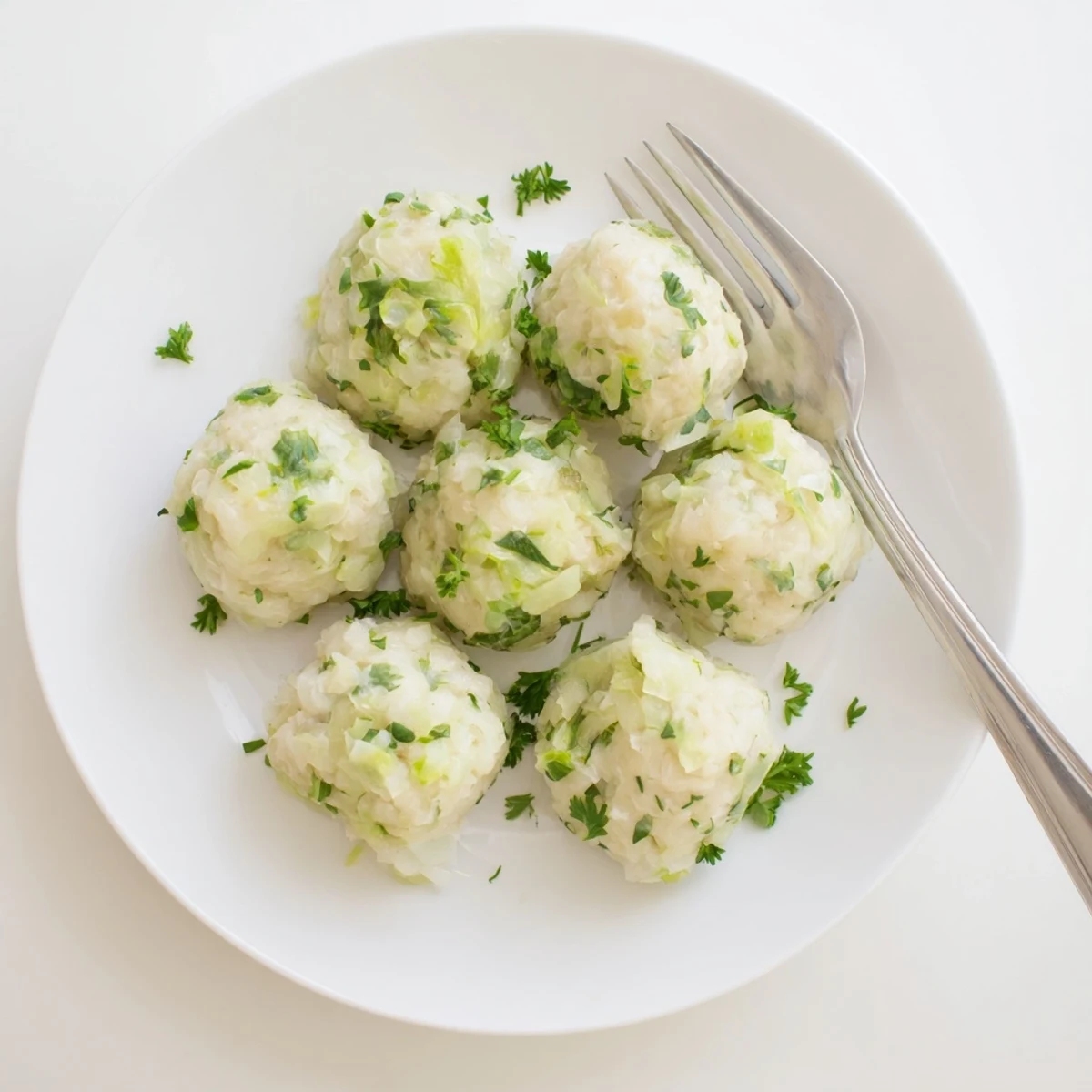
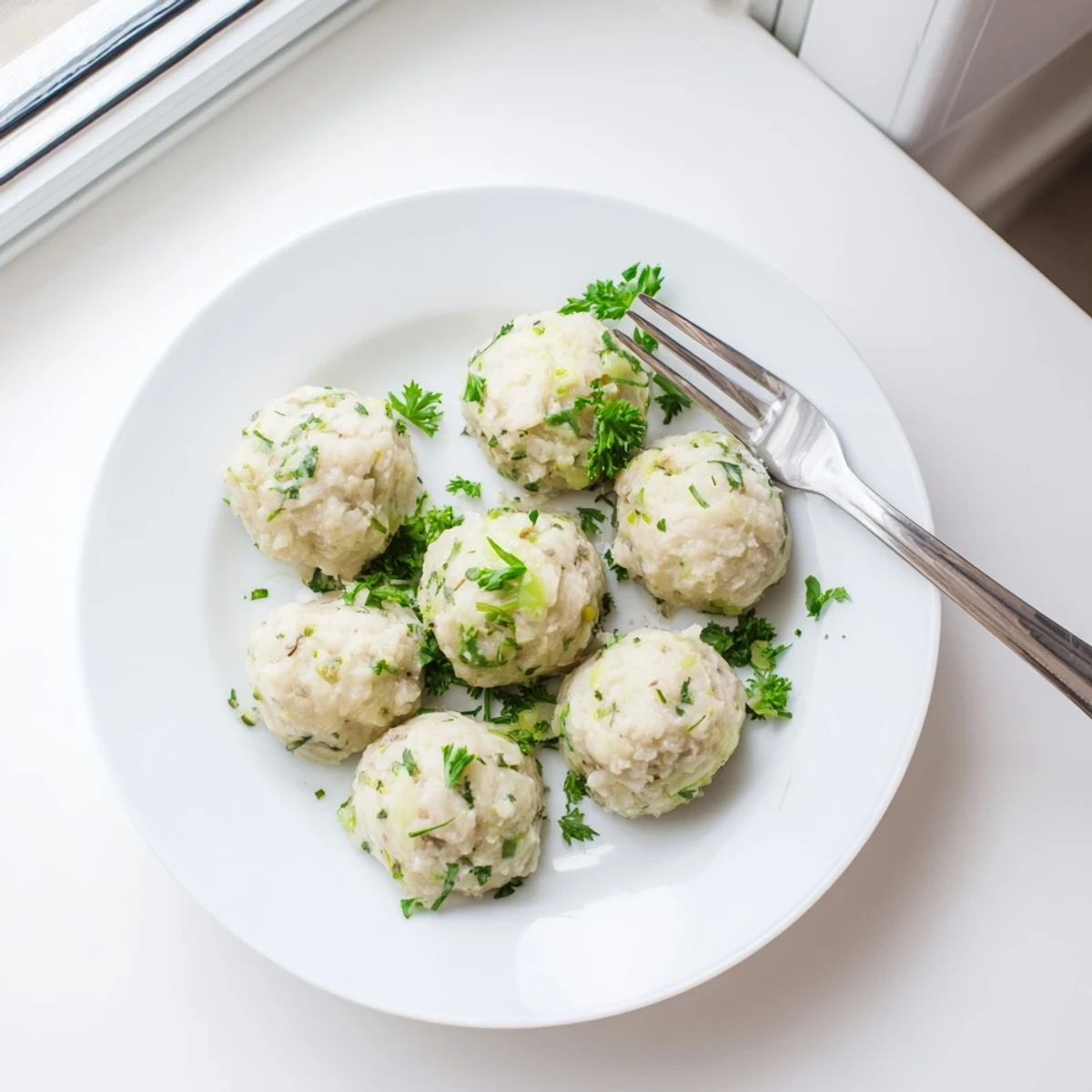
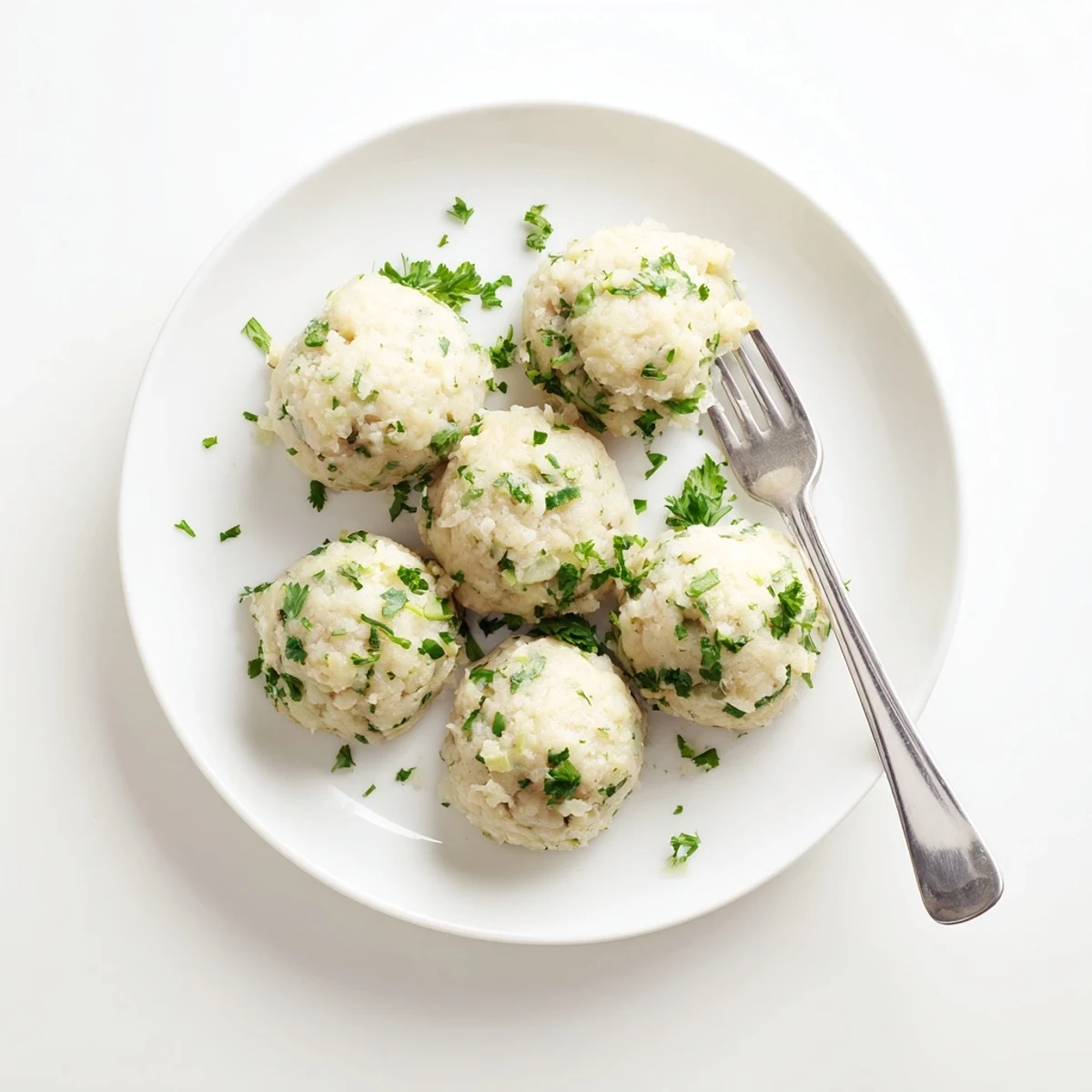
 These traditional German cabbage dumplings feature tender bread-based dumplings filled with slowly sautéed cabbage, onions, and warm aromatic spices like nutmeg. The mixture is shaped into rounds and gently simmered in vegetable broth until light and fluffy throughout. Each dumpling offers a satisfying comfort food experience with a soft, pillowy texture and subtle savory flavors. Perfect served as a hearty main course or alongside your favorite German dishes with melted butter or creamy mushroom sauce.
The steam was still rising from my grandmother's kitchen window when I'd visit on those gray German afternoons, and I knew exactly what that meant—cabbage dumplings were simmering away. There's something almost magical about how humble cabbage and day-old bread transform into something so extraordinarily comforting.
Last winter, during that terrible storm that kept everyone inside for three days straight, I made a double batch for my neighbors who had just moved from the city and didn't know how to cook anything beyond toast. They showed up at my door the next day with empty containers asking if there was any chance I might be making them again.
Ingredients
- Green cabbage: Choose a tight head that feels heavy for its size and shred it as finely as your patience allows—the smaller the shreds, the silkier your dumpling will be
- Day-old white bread: Slightly stale bread absorbs milk beautifully without turning to mush, creating that perfect tender texture that holds everything together
- Whole milk: Full-fat milk makes a noticeable difference in richness, and the bread needs that creaminess to soften properly
- Nutmeg: This warm spice is the secret German touch that somehow makes cabbage taste extraordinary—not optional, believe me
- Unsalted butter: Use this to sauté your cabbage and onion because starting with a good butter foundation builds layers of flavor you can't get from oil
- Large eggs: Room temperature eggs will incorporate more evenly into your mixture, binding everything together into that perfect dumpling consistency
- All-purpose flour: Just enough to give structure without making the dumplings heavy or doughy—measure carefully
- Fresh parsley: Brightens the whole dish and adds those little green flecks that make everything look homemade and wonderful
Instructions
- Sauté the vegetables:
- Melt the butter in a large skillet over medium heat and cook the diced onion until it turns translucent and fragrant, then add your shredded cabbage with a pinch of salt and let it soften for about 10–12 minutes until it's tender and sweet.
- Prepare the bread base:
- Combine the bread cubes with milk in a large bowl and let them sit until the bread is completely soft and squishy, then mash it gently with a fork until you have a uniform paste.
- Combine everything:
- Add your eggs, flour, nutmeg, pepper, salt, parsley, and the cooled cabbage mixture to the soaked bread, then mix thoroughly until you have a consistent, slightly sticky dough that holds its shape.
- Shape the dumplings:
- Wet your hands with cold water to prevent sticking, then form the mixture into eight equal rounds, handling them gently and not pressing too tightly.
- Simmer gently:
- Bring your vegetable broth to a gentle simmer—not a rolling boil—and carefully lower each dumpling into the liquid, letting them cook for 18–20 minutes until they're firm to the touch and cooked through.
- Serve immediately:
- Lift the dumplings out with a slotted spoon, letting any excess broth drain away, then serve them hot while they're still fluffy and light.
 Save to Pinterest
 My father-in-law, who grew up in a small village outside Munich, took one bite and got quiet for a long moment before telling me these tasted exactly like the ones his mother used to make on Sundays. That's probably the highest compliment I've ever received in my kitchen.
Making Them Your Own
I've learned that adding a handful of grated Gruyère cheese to the mixture creates these incredible melted pockets throughout each dumpling, and sometimes—just sometimes—I'll swap the parsley for fresh dill if I'm serving them with a lighter sauce. The basic recipe is perfect as written, but small tweaks like these can make it feel like yours alone.
What To Serve With Them
While these dumplings are absolutely wonderful on their own, a simple creamy mushroom sauce poured over the top transforms them into something almost luxurious. A crisp green salad with a vinaigrette cuts through the richness beautifully, and if you really want to make it a meal, some roasted sausages on the side never hurt anyone.
Storage And Make-Ahead Tips
You can prepare the mixture up to 8 hours ahead and keep it covered in the refrigerator, though you might need to add a tablespoon of milk if it's stiffened up too much. Cooked dumplings reheat surprisingly well in a steamer basket for about 5 minutes, and they freeze beautifully for up to three months if you wrap them individually.
- Shape all the dumplings before you start cooking any of them—they'll all cook at the same rate that way
- Test one dumpling first by cutting it open to make sure the center is fully cooked before removing the rest
- Never skip the step of wetting your hands between shaping each dumpling—it's the difference between smooth, professional-looking results and a frustrating sticky mess
 Save to Pinterest
 There's something so deeply satisfying about taking the simplest ingredients and turning them into something that makes people lean back in their chairs and sigh happily. That's the kind of cooking I love most.
Recipe FAQs
- → What makes German cabbage dumplings traditional?
-
Traditional German cabbage dumplings combine day-old bread soaked in milk with sautéed cabbage and onions, seasoned with nutmeg and parsley. The mixture is shaped and gently simmered, creating the characteristic light and fluffy texture that makes this dish a German comfort food staple.
- → How do I know when the dumplings are fully cooked?
-
Dumplings are done when they feel firm to the touch and float slightly in the simmering broth. This typically takes 18-20 minutes of gentle simmering. Cut one dumpling open to check—the center should be uniform in texture without any wet bread mixture remaining.
- → Can I make these dumplings ahead of time?
-
Yes, you can prepare the dumpling mixture several hours in advance and refrigerate until ready to shape and cook. Cooked dumplings also reheat well—simply warm them gently in broth or melted butter for a few minutes. They can be frozen for up to 3 months after cooking.
- → What should I serve with cabbage dumplings?
-
These dumplings pair beautifully with creamy mushroom sauce, melted butter with herbs, or rich beef gravy. They complement German classics like sauerbraten, roast pork, or sausages. For a complete meal, serve with roasted vegetables or a fresh green salad.
- → Why do I need to use day-old bread?
-
Day-old bread has less moisture than fresh bread, which helps create the perfect dumpling texture. The bread soaks up milk and eggs without becoming mushy, resulting in dumplings that hold their shape while remaining tender and fluffy inside. Stale bread also absorbs the savory cabbage flavors better.
- → Can I add bacon to this dish?
-
Absolutely. Crispy diced bacon adds wonderful savory depth and is a common variation. Simply cook the bacon with the onions when sautéing the cabbage. If keeping the dish vegetarian, omit the bacon or use smoked paprika for a similar smoky flavor element.