
 Save to Pinterest
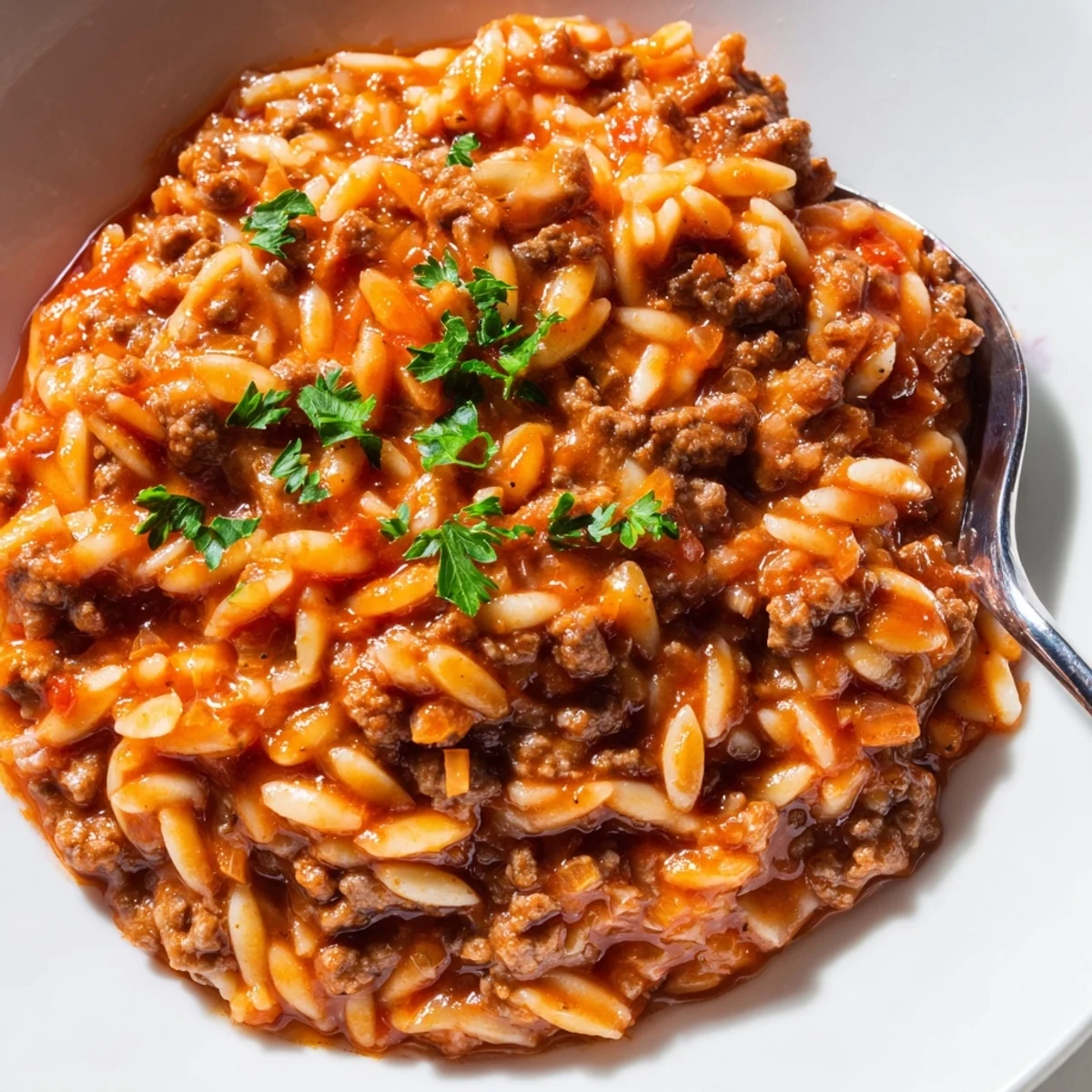
 This Greek manestra cooks in one pot: sauté onion and garlic, brown ground beef, bloom tomato paste with oregano and optional cinnamon, then add crushed tomatoes, broth and orzo. Simmer until orzo is tender and most liquid is absorbed (about 15 minutes). Finish with grated kefalotyri or parmesan and chopped parsley. Serve with Greek salad or crusty bread; thin leftovers with warm water before reheating.
The rain was hammering against the kitchen window the afternoon my neighbor Elena knocked on my door holding ajar of her homemade tomato sauce and a handful of orzo, insisting I needed to learn her yiayias manestra before the winter set in properly. We stood side by side in my small kitchen, she browning the beef while I chopped onions badly, and the smell that filled the room made me forget it was still only Tuesday. That dish became my cold weather anchor, the one I reach for when nothing else will do.
Elena told me that in her household manestra was never measured, it was felt, and her grandmother would adjust the liquid by instinct alone depending on the humidity that day. I have never quite mastered that intuition, but I have learned to trust the simmer and listen for the soft glug of the sauce as it thickens around the pasta.
Ingredients
- Ground beef (500 g): Use a decent fat content, around 15 percent, because lean beef will leave the finished dish drier than you want.
- Onion, finely chopped (1 medium): Take the time to cut it small and even so it melts into the sauce rather than floating in chunks.
- Garlic, minced (2 cloves): Fresh garlic only, and add it after the onion has softened so it does not scorch and turn bitter.
- Orzo pasta (250 g): Do not cook it separately, it finishes right in the sauce and absorbs all that tomato beef flavor.
- Olive oil (2 tbsp): A good quality oil makes a difference here since there are so few ingredients competing for attention.
- Canned crushed tomatoes (400 g): Keep a backup can in the pantry because you will want to make this again before the week is out.
- Tomato paste (1 tbsp): This one tablespoon deepens the color and concentrates the savory backbone of the whole pot.
- Beef or chicken broth (2 cups): Homemade is lovely but a good quality boxed broth works perfectly well.
- Water (1 cup): Added alongside the broth to give the orzo enough liquid to cook through without turning gummy.
- Dried oregano (1 tsp): Rub it between your palms before adding to wake up the oils and release more fragrance.
- Ground cinnamon (1/2 tsp, optional): Elena always used it, and once you taste the result you will understand why Greek cooks treasure this pairing.
- Bay leaf (1): Drop it in whole and remember to fish it out before serving, nobody wants to bite into a bay leaf at dinner.
- Salt and pepper: Season gradually and taste at the end because the broth and cheese will both add salt.
- Grated kefalotyri or parmesan cheese: Salty, sharp, and absolutely necessary for finishing the bowl.
- Fresh parsley, chopped: A small handful at the end lifts everything with brightness and color.
Instructions
- Build the base:
- Heat the olive oil in a large pot or Dutch oven over medium heat and cook the onion until it turns translucent and soft, about three to four minutes, then add the garlic and stir for thirty seconds until you can smell it bloom.
- Brown the beef:
- Add the ground beef and break it apart with a wooden spoon as it cooks, keeping at it until every last bit has lost its pink color and started to pick up some browning on the edges, about six to seven minutes.
- Bloom the spices:
- Stir in the tomato paste, oregano, cinnamon if you are using it, bay leaf, and a generous pinch of salt and pepper, then let everything cook together for one minute until the paste darkens and the spices become fragrant.
- Build the sauce:
- Pour in the crushed tomatoes, broth, and water, stir well to combine, bring everything to a boil, then lower the heat and let it simmer gently for ten minutes so the flavors have time to marry.
- Cook the orzo:
- Stir in the orzo, cover the pot, and simmer gently for about fifteen minutes, stirring every few minutes to prevent sticking, until the pasta is tender and most of the liquid has been absorbed.
- Finish and serve:
- Remove and discard the bay leaf, taste for salt and pepper and adjust as needed, then ladle into bowls and top generously with grated cheese and chopped fresh parsley.
 Save to Pinterest
 My son now requests manestra every time the temperature drops below ten degrees, and I always make extra because the second bowl the next day is somehow even better.
Making It Your Own
Once you have the basic method down, this recipe bends easily to what you have on hand. Half beef and half lamb gives it a richer, more traditional Greek flavor that is worth trying if your butcher carries good ground lamb. A pinch of red pepper flakes stirred in with the spices adds a gentle warmth that does not overpower but keeps each bite interesting.
What to Serve Alongside
A crisp Greek salad with plenty of cucumber, tomato, olives, and a good hit of red wine vinegar cuts through the richness of the manestra beautifully. Thick slices of crusty bread are not optional in my house because there is always sauce left at the bottom of the bowl that needs sopping up. A glass of something red and uncomplicated rounds out the whole evening without any fuss.
Getting the Texture Right
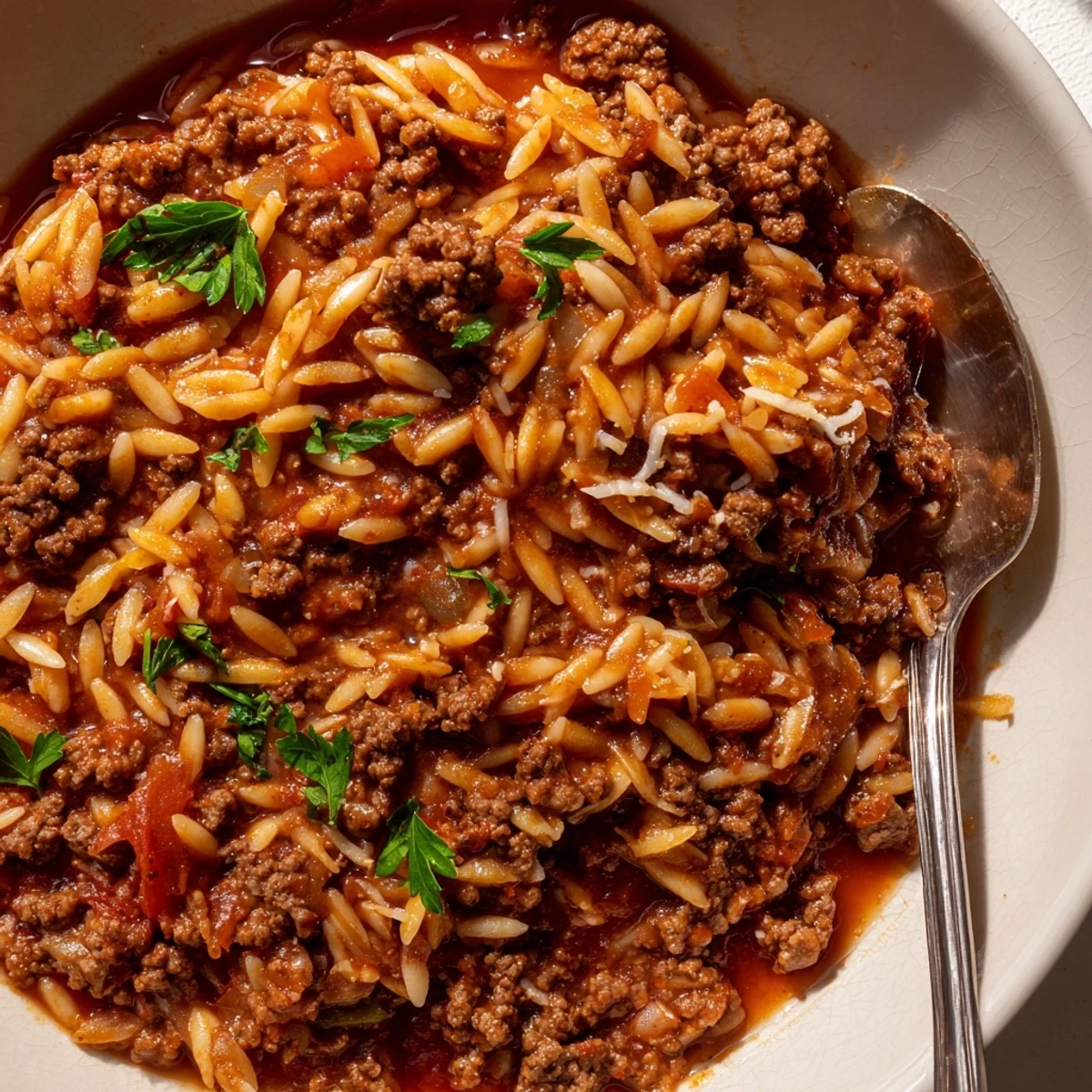
The trickiest part of manestra is knowing when to stop cooking because the pasta continues to absorb liquid even after you take it off the heat. You want it to look slightly soupier than you think it should when you serve it, because within minutes it will settle into something thick and creamy. Every batch of orzo behaves a little differently depending on the brand and how long it has sat on the shelf, so trust your eyes and your spoon more than the clock.
- If the orzo is still too firm after fifteen minutes, add a quarter cup of water and cook another two to three minutes.
- Take the pot off the heat just before you think it is done because carryover cooking will finish the job.
- Always serve immediately for the best texture because manestra waits for no one.
 Save to Pinterest
 Some dishes feed the body and some feed the soul, and this Greek manestra manages to do both in under an hour with only one pot to wash at the end. Keep this recipe close because you will come back to it again and again.
Recipe FAQs
- → How do I prevent the orzo from sticking?
-
Stir the orzo occasionally while it simmers and maintain a gentle simmer rather than a rolling boil. If the mixture thickens too quickly, add a splash of hot water or broth to loosen it and keep the orzo moving.
- → Can I swap the ground beef for another meat?
-
Yes — substitute half or all of the beef with lamb for a richer, more authentic flavor. Ground turkey works for a leaner option, though the dish will be milder.
- → What cheese works best as a garnish?
-
Grated kefalotyri gives an authentic sharpness, but parmesan is an excellent and widely available alternative. Add it just before serving so it melts lightly into the hot orzo.
- → Is the cinnamon necessary?
-
Cinnamon is optional but traditional in some Greek preparations; use a pinch to add warmth and depth without making the dish sweet. Skip it if you prefer a straightforward tomato-herb profile.
- → How should I reheat leftovers so they don’t dry out?
-
Gently reheat on the stove over low heat, adding a little warm water or broth to loosen the thickened orzo. Stir frequently until heated through to restore a creamy consistency.
- → Can I make this gluten-free?
-
Yes — use a certified gluten-free orzo or substitute with a short gluten-free pasta. Adjust cooking time as needed, since gluten-free pastas vary in texture and absorbency.