
 Save to Pinterest
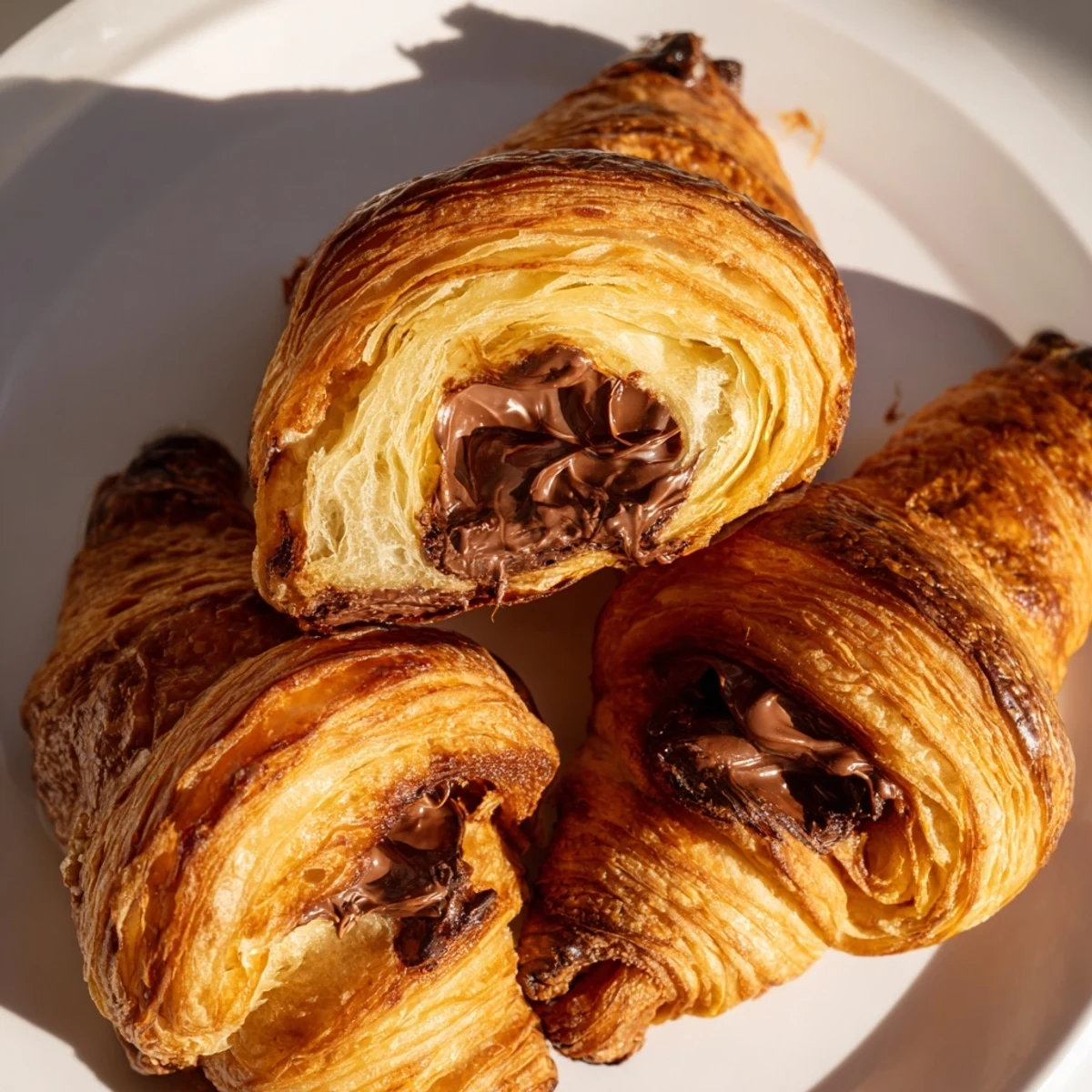
 These homemade chocolate croissants feature flaky, buttery layers with rich chocolate filling. The process involves creating a laminated dough through multiple folds, then filling with quality chocolate before baking to golden perfection. Perfect for weekend breakfasts or afternoon treats.
My tiny apartment kitchen became a disaster zone of flour clouds and melting butter during my first attempt at chocolate croissants. The laminating dough process intimidated me for years until a rainy Sunday forced me indoors with nothing but time and ambition. After three failed attempts that turned into dinner rolls instead of flaky pastry, I finally understood the rhythm between cold butter and patient folding. Now these emerge from my oven with that distinctive hollow sound when tapped, signaling layers upon layers of buttery perfection.
I served these at my mothers birthday brunch last spring and watched her face light up with genuine surprise. She always claimed pastry work required professional training until she took her first bite of these chocolate filled beauties. My sister stole the last two from the kitchen counter before anyone else noticed. Now they request them every time I visit home.
Ingredients
- All purpose flour: Bread flour works too but creates a slightly chewier texture while all purpose gives that classic tender flake
- Active dry yeast: Make sure your milk feels like bathwater to activate the yeast without killing it
- Cold unsalted butter: European butter has higher fat content which creates superior layers and prevents melting into the dough
- Bittersweet chocolate: Chocolate batons are easiest but chopping a good bar works perfectly fine for home bakers
- Whole milk: The milk fat creates tenderness and the lukewarm temperature wakes up the yeast
- Egg wash: This creates that deep golden professional finish that makes croissants look bakery worthy
Instructions
- Wake up the yeast:
- Dissolve yeast in lukewarm milk and wait until foam appears on top like a tiny bubbly landscape
- Build the foundation:
- Mix flour sugar salt and softened butter until you have a rough shaggy dough then knead until smooth and elastic
- First rest:
- Shape into a rectangle wrap tightly and let the dough relax in the refrigerator for one full hour
- Prepare the butter:
- Pound cold butter between parchment into a flat rectangle that matches your dough dimensions and keep everything chilled
- First fold:
- Roll dough place butter on one half fold over like a book then roll again before folding into thirds
- Chill and repeat:
- Let dough rest 30 minutes then complete two more rolling and folding sessions rotating 90 degrees each time
- Final shaping:
- Cut dough into eight rectangles place chocolate at the edge and roll tightly sealing seam side down
- The patient rise:
- Let croissants proof at warm room temperature for two hours until puffy and visibly larger
- The golden finish:
- Brush with egg wash and bake until deep golden brown listening for that hollow tap when cooled
 Save to Pinterest
 These became my go to Christmas morning tradition after the year I woke up at four am to start the dough. Everyone complained about the smell wafting through the house for hours before breakfast was served. Now they beg me to start the process the night before instead.
Working With Temperature
My biggest breakthrough was realizing that butter temperature matters more than exact measurements. If your kitchen runs warm work on a chilled surface and return dough to the refrigerator frequently. The butter should feel cold and firm but never rock hard or shatteringly frozen.
Shaping Secrets
After years of croissants that unrolled in the oven I learned to roll them tightly enough to hold their shape without squishing the layers. Place the chocolate about one inch from the edge and let the first roll be gentle before applying more pressure. Practice makes perfect and even ugly ones taste incredible.
Freezing For Later
Shape the croissants and freeze them on a baking sheet before transferring to a bag for long term storage. This trick changed my weekend breakfast game completely.
- Thaw frozen croissants overnight in the refrigerator
- Let them come to room temperature before the final proofing stage
- Add an extra 30 minutes to the rising time since they start very cold
 Save to Pinterest
 The first time you pull these from your own oven you will understand why pastry chefs devote their lives to laminated dough. Nothing beats breaking through that caramelized exterior into warm melting chocolate on a quiet Sunday morning.
Recipe FAQs
- → What type of butter works best for the layers?
-
European-style butter with higher fat content (82-84%) creates the best flaky layers. The extra fat makes the butter more pliable and helps create more distinct layers during the folding process.
- → Can I make the dough ahead of time?
-
Yes, you can prepare the dough up to 24 hours in advance. After the final fold, refrigerate the dough overnight. Let it come to room temperature for about 30 minutes before rolling and shaping the next day.
- → What chocolate is recommended for the filling?
-
Good quality bittersweet or semisweet chocolate works best. Look for chocolate with at least 60% cocoa content for a rich flavor that balances well with the buttery pastry. Chocolate batons or chopped chocolate both work well.
- → How do I get the perfect flaky texture?
-
The key is proper chilling between folds and using cold butter. Make sure your butter is very cold (but still pliable) when incorporating into the dough. Chill the dough for at least 30 minutes between each fold to keep the butter solid.
- → Can these be frozen after shaping?
-
Yes, you can freeze the shaped croissants after step 10. Place them on a baking sheet, freeze until solid, then transfer to a freezer bag. They'll keep for up to 1 month. Thaw overnight in the refrigerator, then let them proof at room temperature before baking.