
 Save to Pinterest
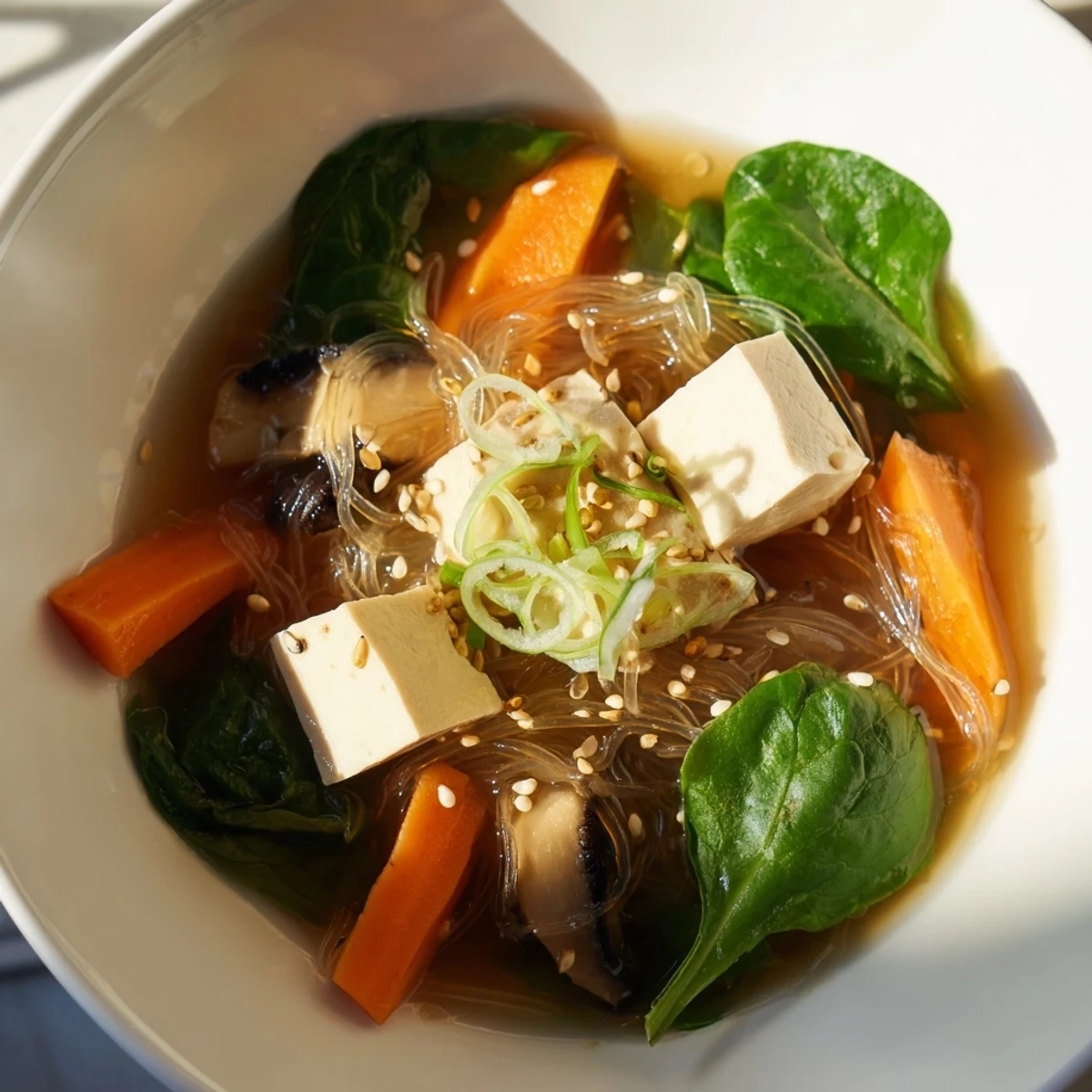
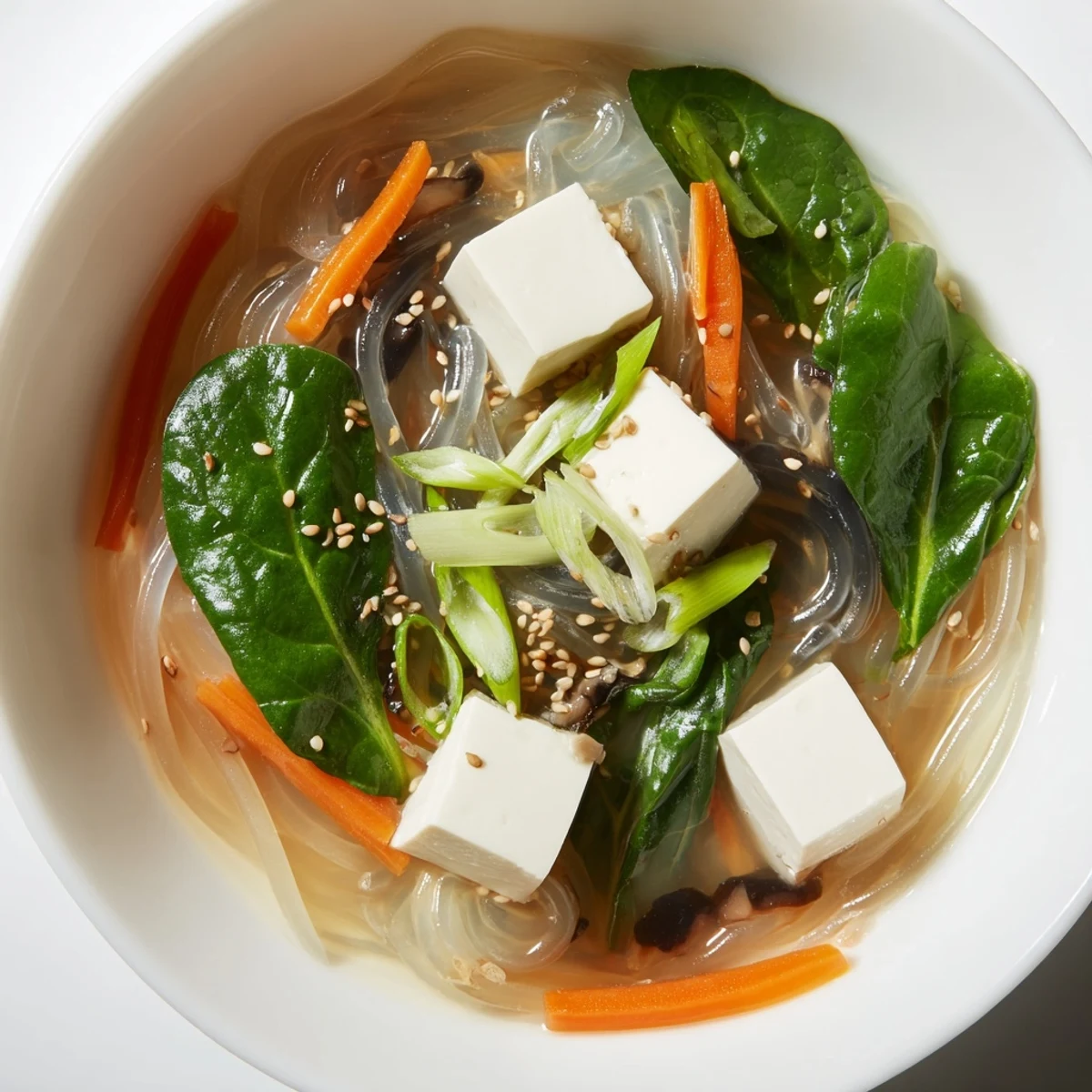
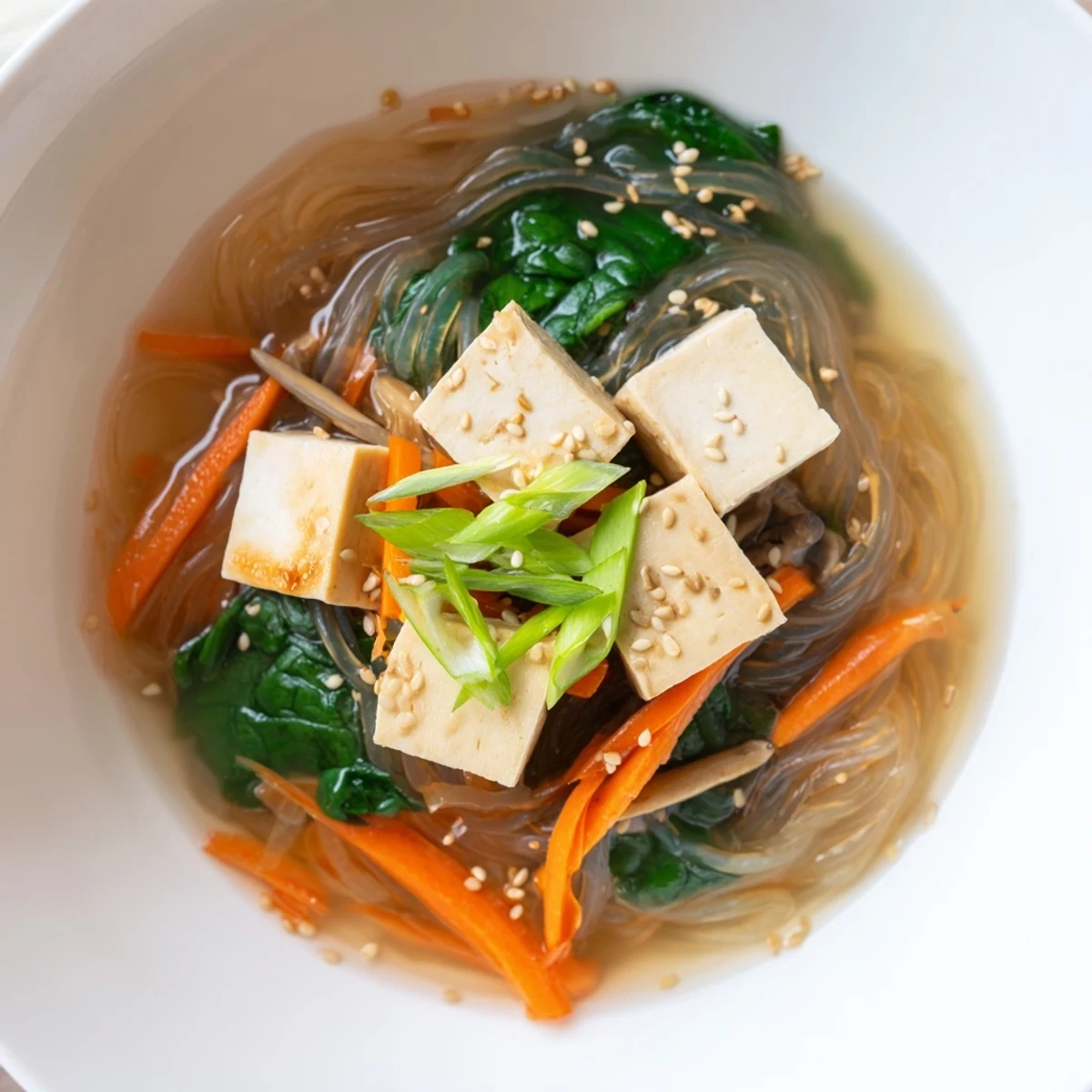
 This Japanese classic brings together delicate harusame glass noodles with a warm, savory dashi broth in just 25 minutes. The combination of julienned carrots, earthy shiitake mushrooms, and fresh baby spinach creates a nourishing bowl that's both light and satisfying. Cubes of firm tofu add plant-based protein while toasted sesame seeds bring a subtle nutty finish to each serving.
The first time I made harusame soup was during a rainy Tuesday when I needed something that felt like a warm hug but wouldn't weigh me down. I'd bought these translucent noodles on impulse months earlier, and they sat in my pantry waiting for the perfect moment. That rainy afternoon, I finally understood why Japanese cooks treasure these delicate glass noodles. They transform from brittle strands into something impossibly silky in just minutes.
My Japanese neighbor Yuko caught a whiff of the sesame oil through our shared hallway and appeared at my door with a knowing smile. She taught me that the secret is adding the mirin last, so its sweetness lingers rather than disappearing into the broth. Now whenever I make this, I remember leaning against her doorframe as she explained that good soup is about patience, not complexity.
Ingredients
- 5 cups dashi stock or low-sodium broth: Dashi gives you that authentic umami depth, but a quality vegetable broth works beautifully if you need it vegetarian
- 2 tbsp soy sauce: This provides the savory backbone, so taste your broth first as some soy brands are saltier than others
- 1 tbsp mirin: The subtle sweetness balances the saltiness and creates that restaurant-quality finish
- 1 tsp sesame oil: Toasted sesame oil adds an aromatic warmth that makes the kitchen smell incredible
- 100 g harusame noodles: These glass noodles are the star, soaking up the broth while maintaining their delicate texture
- 1 medium carrot, julienned: Thin ribbons cook quickly and add beautiful orange color to each bowl
- 100 g shiitake mushrooms: Their meaty texture holds up perfectly in hot broth and brings earthy flavor
- 60 g baby spinach or bok choy: Greens go in last so they stay vibrant and slightly crisp
- 1 spring onion, finely sliced: Fresh onion brings a bright bite that cuts through the rich broth
- 100 g firm tofu, cubed: Optional protein that makes this a complete meal while staying light
Instructions
- Build your flavorful broth base:
- Combine dashi stock, soy sauce, mirin, sesame oil, and salt in a large saucepan. Let it come to a gentle simmer, watching as the aroma fills your kitchen like a cozy restaurant.
- Soften the harder vegetables:
- Add your carrots and shiitake mushrooms to the bubbling broth. Let them cook for about 5 minutes until they're tender but still have a little bite to them.
- Add the protein:
- Toss in your tofu cubes if you're using them and let them warm through for 2 minutes. The tofu will absorb all that beautiful seasoning while keeping its shape.
- Prepare the glass noodles:
- Place harusame noodles in a heatproof bowl and cover with boiling water. Let them soak for 4 to 5 minutes until tender, then drain and divide among your serving bowls.
- Wilt the greens:
- Add spinach or bok choy to the simmering broth and cook for just 1 minute. You want them bright green and barely wilted, not sad and limp.
- Bring it all together:
- Ladle the hot broth and vegetables over the noodles in each bowl. Watch how the liquid barely covers the noodles, letting them peek through invitingly.
- Finish with garnish:
- Sprinkle toasted sesame seeds and extra spring onion on top. Serve immediately while everything is steaming hot and the kitchen smells amazing.
 Save to Pinterest
 Last winter when my sister was recovering from surgery, this soup became our Tuesday ritual. She said the slippery noodles felt nurturing without being overwhelming, and I started making double batches so she'd have leftovers for lunch the next day. Some recipes are just meant to be shared.
Making It Your Own
I've learned that this soup happily accepts whatever vegetables need using up. Snow peas add wonderful crunch, and sometimes I toss in frozen edamame for extra protein. The broth is flexible enough that you can really make it yours without following strict rules.
Temperature Matters
Yuko taught me that the broth should never boil vigorously once the seasonings are added. A gentle simmer keeps the flavors clear and bright. When the broth just barely bubbles around the edges, that's when it's perfect.
Serving Suggestions
This soup is substantial enough to stand alone as a light dinner, especially when paired with simple pickles. I love serving it in deep bowls that let you curl your hands around the warmth. Some grilled mochi on the side makes it feel like a complete Japanese meal at home.
- Keep extra toasted sesame oil at the table for drizzling
- A pinch of shichimi togarashi adds lovely warmth if you like spice
- The noodles will continue absorbing liquid, so eat while the broth is still plentiful
 Save to Pinterest
 There's something deeply satisfying about a soup that comes together so quickly but tastes so considered. I hope this recipe finds you on a day when you need exactly this kind of simple comfort.
Recipe FAQs
- → What are harusame noodles?
-
Harusame are Japanese glass noodles made from mung bean starch, also known as bean thread vermicelli. They're translucent, gluten-free, and become tender when soaked in hot water while maintaining a pleasant chewy texture in soups.
- → Can I make this soup vegetarian?
-
Yes, simply substitute traditional dashi stock with vegetable broth or kombu-based dashi. The rest of the ingredients are naturally vegetarian-friendly, though you'll want to omit tofu if avoiding soy products.
- → How long do glass noodles take to cook?
-
Harusame noodles require only 4-5 minutes of soaking in boiling water to become tender. Avoid over-soaking as they can become mushy. They're typically prepared separately and added to bowls before ladling the hot broth over them.
- → What vegetables work best in this soup?
-
Carrots, shiitake mushrooms, spinach, and bok choy are traditional choices. You can also add enoki mushrooms, wakame seaweed, snow peas, or thinly sliced cabbage for variation while maintaining the soup's light character.
- → Can I add protein other than tofu?
-
Absolutely. Shredded cooked chicken, thinly sliced pork, or even shrimp make excellent additions. Add pre-cooked proteins during the final 2 minutes of simmering just to heat through, or use raw sliced meats that cook quickly in the broth.
- → How do I store leftovers?
-
Store broth and vegetables separately from noodles if possible, as glass noodles absorb liquid and become soft. Keep everything in airtight containers in the refrigerator for up to 2 days. Reheat gently on the stove, adding fresh broth if needed.