
 Save to Pinterest
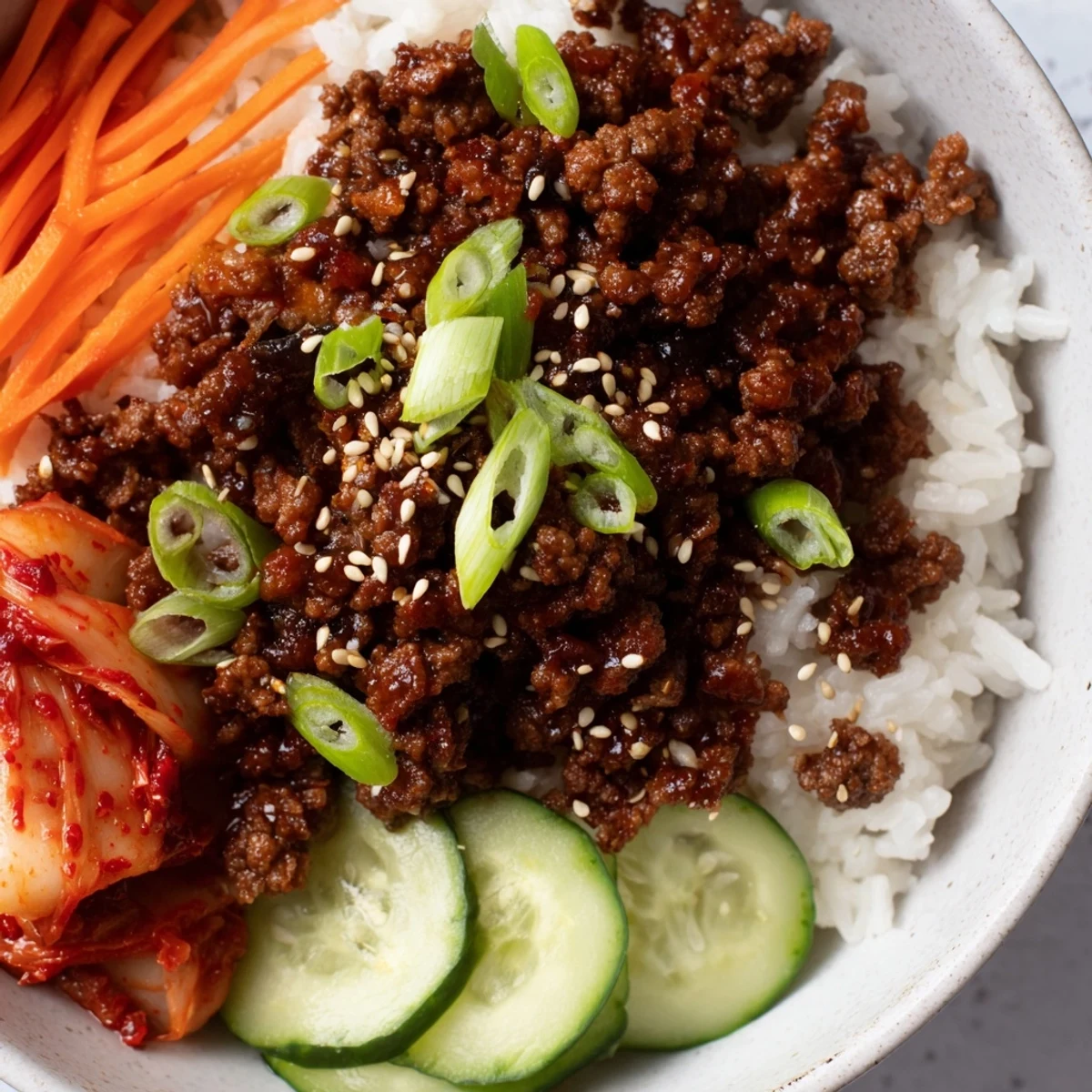
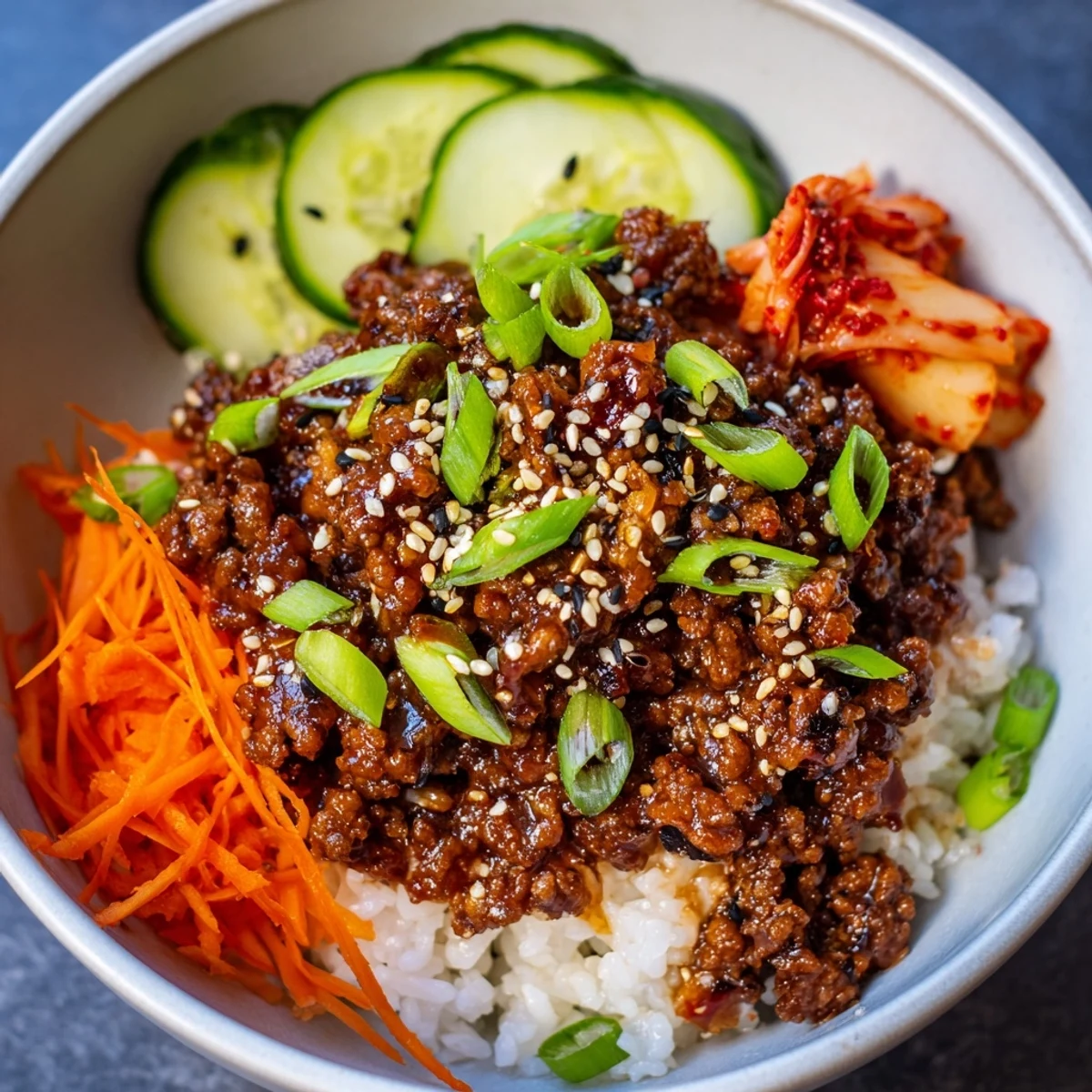
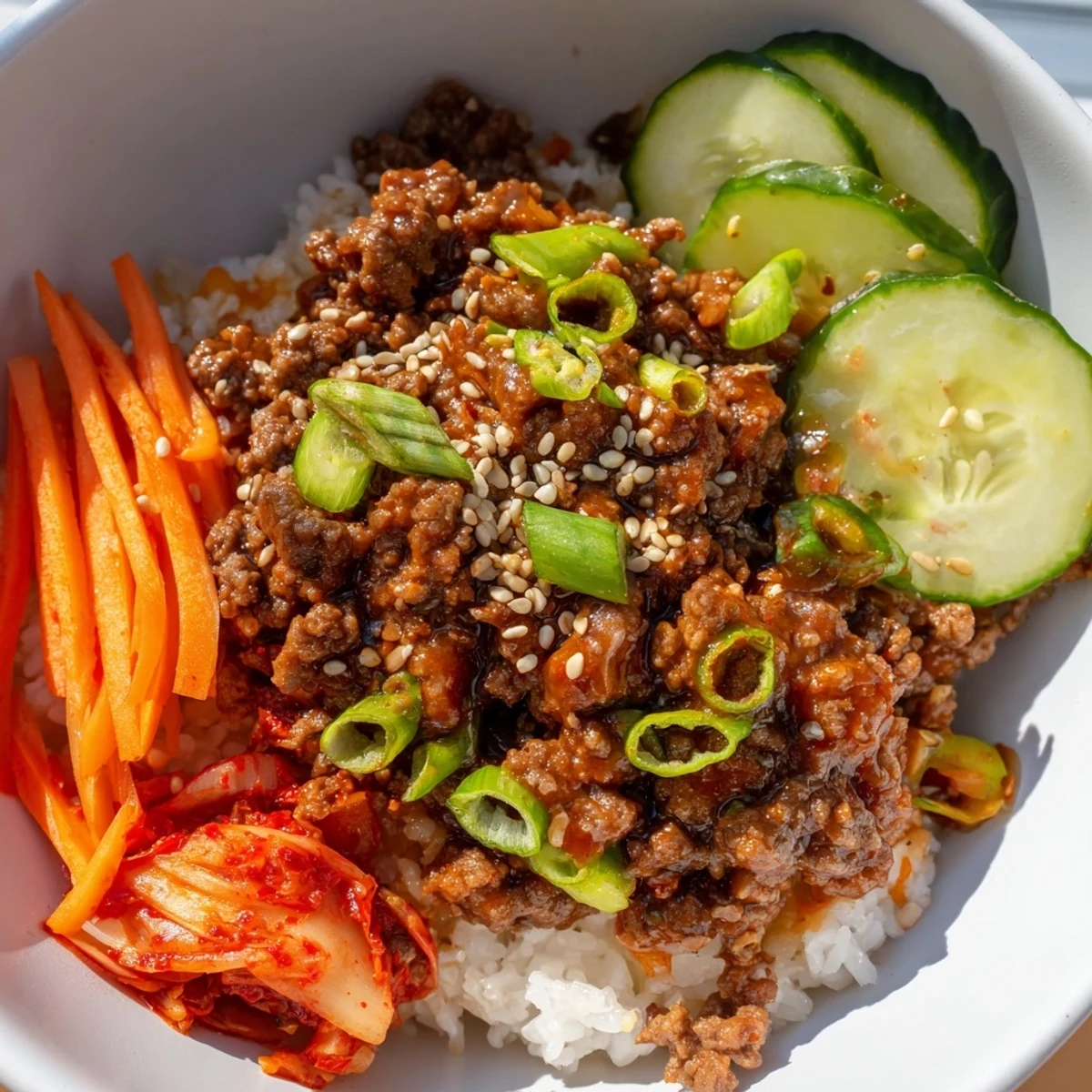
 This Korean-inspired ground beef bowl brings together savory browned beef coated in a sweet, spicy, and umami-rich sauce made with soy sauce, brown sugar, sesame oil, garlic, ginger, and gochujang.
Served over steamed jasmine rice and topped with crunchy julienned carrots, crisp cucumber, green onions, and toasted sesame seeds, it delivers a perfect balance of flavors and textures in every bite.
Ready in just 25 minutes with minimal prep, it's an ideal weeknight meal that the whole family will love.
The sizzle of ground beef hitting a hot skillet on a Tuesday evening is one of those small sounds that makes a kitchen feel alive. I threw this Korean ground beef bowl together on a night when the fridge was nearly empty and motivation was even lower, yet it turned into something I craved for weeks afterward. The sauce, a sticky, sweet, and fiery glaze, comes together from pantry staples in about two minutes flat. It is the kind of recipe that rescues a weary cook and asks almost nothing in return.
I served this to my roommate once when she came home grumbling about a terrible day at work. She ate standing at the counter, bowl in one hand, chopsticks in the other, and did not say a single word until the whole thing was gone. Then she looked at me and said, quietly and with full seriousness, that this was better than therapy. I have never been more flattered by silence.
Ingredients
- Lean ground beef (1 lb): Use 90 percent lean if you can find it, as it renders just enough fat to carry the sauce without leaving a greasy pool at the bottom of your bowl.
- Cooked jasmine or short grain rice (2 cups): Day old rice actually works wonderfully here because it soaks up the sauce without turning mushy underneath all those toppings.
- Low sodium soy sauce (1/4 cup): The low sodium variety gives you control over saltiness, and you can always add more later but you can never take it away.
- Brown sugar (2 tbsp): This is what gives the sauce that lacquered, caramel like coating that makes the beef irresistible.
- Sesame oil (1 tbsp): Toasted sesame oil is nonnegotiable because it adds a nutty depth that nothing else can replicate.
- Garlic, minced (3 cloves): Mince it finely so it dissolves into the sauce rather than sitting in sharp little chunks.
- Grated fresh ginger (1 tbsp): Freeze your ginger beforehand and grate it straight from frozen for a fine paste that melts right in.
- Crushed red pepper flakes (1/2 to 1 tsp): Start with half a teaspoon, taste, and build from there because the heat intensifies as the sauce reduces.
- Rice vinegar (2 tsp): Just a splash to brighten everything and keep the sweetness from taking over completely.
- Gochujang (1 tbsp, optional): This fermented Korean chili paste adds a complex, funky warmth that plain chili flakes cannot achieve on their own.
- Green onions, sliced (2): Slice them on a sharp diagonal for visual appeal and a mild onion bite that cuts through the richness.
- Toasted sesame seeds (1 tbsp): Toast them in a dry pan for about 90 seconds until they smell fragrant and look slightly golden.
- Carrot, julienned (1): The crunch and faint sweetness are a welcome contrast to the soft, saucy beef.
- Cucumber, thinly sliced (1 small): Keep the skin on for color and a satisfying snap in every bite.
- Kimchi (optional, for serving): If you have it, add it, because the sour, spicy fermented cabbage turns this from great into unforgettable.
Instructions
- Whisk the sauce together:
- Grab a small bowl and whisk the soy sauce, brown sugar, sesame oil, garlic, ginger, red pepper flakes, rice vinegar, and gochujang until the sugar dissolves and the mixture looks glossy and unified. Set it beside the stove so it is ready the moment you need it.
- Brown the beef:
- Heat a large skillet over medium high heat and add the ground beef, breaking it apart with a wooden spoon into small, even crumbles. Let it cook undisturbed for a minute here and there so actual browning happens, which is where all the deep flavor lives.
- Glaze the beef with sauce:
- Pour the sauce over the browned beef and stir to coat every crumble, then let it bubble for two to three minutes until it thickens slightly and clings to the meat like a shiny glaze.
- Build your bowls:
- Divide the warm rice among four bowls and spoon the saucy beef generously over each one, letting some of that liquid seep down into the rice below.
- Top and serve immediately:
- Scatter green onions, sesame seeds, julienned carrot, cucumber slices, and kimchi over each bowl and bring them to the table while the beef is still steaming and glistening.
 Save to Pinterest
 There was a Saturday when I made a double batch of this for a small gathering and everyone stood around the kitchen island, bowls balanced on knees, trading bites and comparing toppings. Someone added a fried egg on top and the room collectively lost its mind over the runny yolk mixing with the sweet, spicy beef. That is the thing about this dish. It is humble enough for a weeknight but generous enough to feed a room full of happy people.
Making It Your Own
Ground chicken or turkey works beautifully if beef is not your thing, though you may want to add a splash more sesame oil to compensate for the leaner meat. I once used leftover shredded short ribs from a weekend barbecue and the results were almost illegally good. The sauce is forgiving enough to welcome substitutions without falling apart, which is the hallmark of a truly reliable recipe.
Keeping It Gluten Free
Swap the soy sauce for tamari and double check that your gochujang does not contain hidden wheat. Most major brands of rice vinegar and sesame oil are naturally gluten free, but a quick label scan never hurts. The flavor stays nearly identical, and no one at the table will suspect a thing.
Storage and Reheating
Keep the beef and rice in separate containers in the fridge for up to three days so the rice does not absorb all the sauce and turn gummy. Reheat the beef in a skillet with a splash of water to loosen the glaze, and warm the rice separately before combining them fresh.
- Store toppings in their own container so they stay crisp rather than wilting into sadness.
- A fried egg on the reheated bowl is the ultimate leftover upgrade.
- Always taste for seasoning before serving again, as a tiny pinch of sugar or splash of soy sauce can revive day old beef beautifully.
 Save to Pinterest
 This bowl is proof that a handful of humble ingredients, treated with a little care, can turn an ordinary evening into something worth remembering.
Recipe FAQs
- → Can I use a different type of meat instead of ground beef?
-
Yes, ground chicken or turkey works well as a leaner alternative. You can also use ground pork for a richer flavor. Keep in mind that leaner meats may need a touch more sesame oil to prevent dryness.
- → How spicy is this Korean ground beef bowl?
-
The heat level is fully adjustable. The red pepper flakes and gochujang control the spice. Start with 1/2 teaspoon of flakes and skip the gochujang for a mild version, or add more of both for extra kick.
- → What can I substitute for soy sauce to make it gluten-free?
-
Use tamari, which is a gluten-free Japanese soy sauce alternative. Coconut aminos also work well and provide a slightly sweeter, milder flavor while keeping the dish gluten-free.
- → How should I store and reheat leftovers?
-
Store the beef mixture and rice separately in airtight containers in the refrigerator for up to 3 days. Reheat the beef in a skillet or microwave until warmed through, and store fresh toppings separately to maintain their crunch.
- → What goes well as a side dish with this bowl?
-
Kimchi is a classic pairing that adds tangy fermentation notes. A simple cucumber salad, steamed edamame, or quick-pickled radishes also complement the savory-sweet beef beautifully.
- → Can I meal prep this dish ahead of time?
-
Absolutely. Cook a large batch of the seasoned ground beef and store it in portions. Cook rice fresh or reheat pre-cooked rice, then assemble with fresh toppings when ready to eat. The beef mixture freezes well for up to 2 months.