
 Save to Pinterest
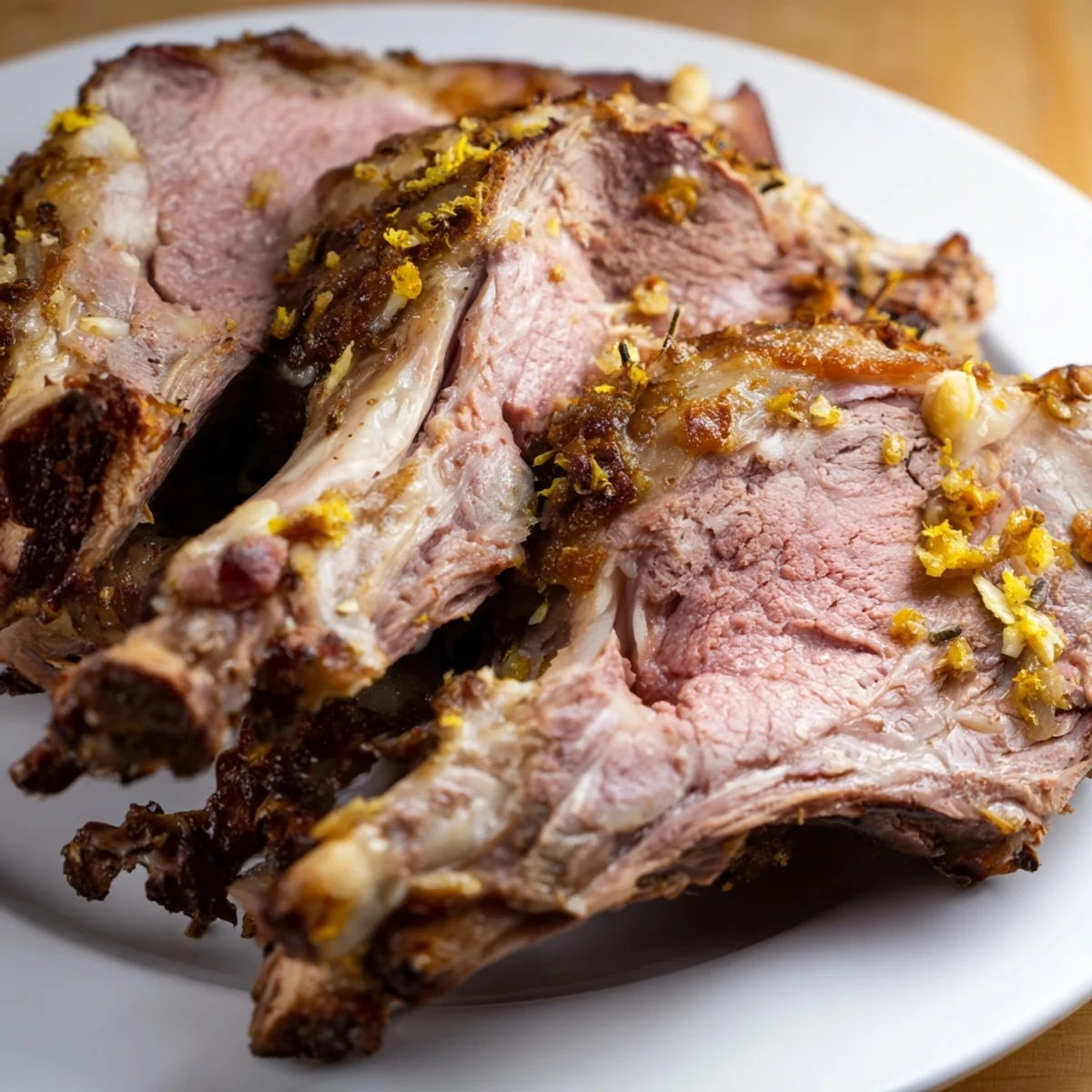
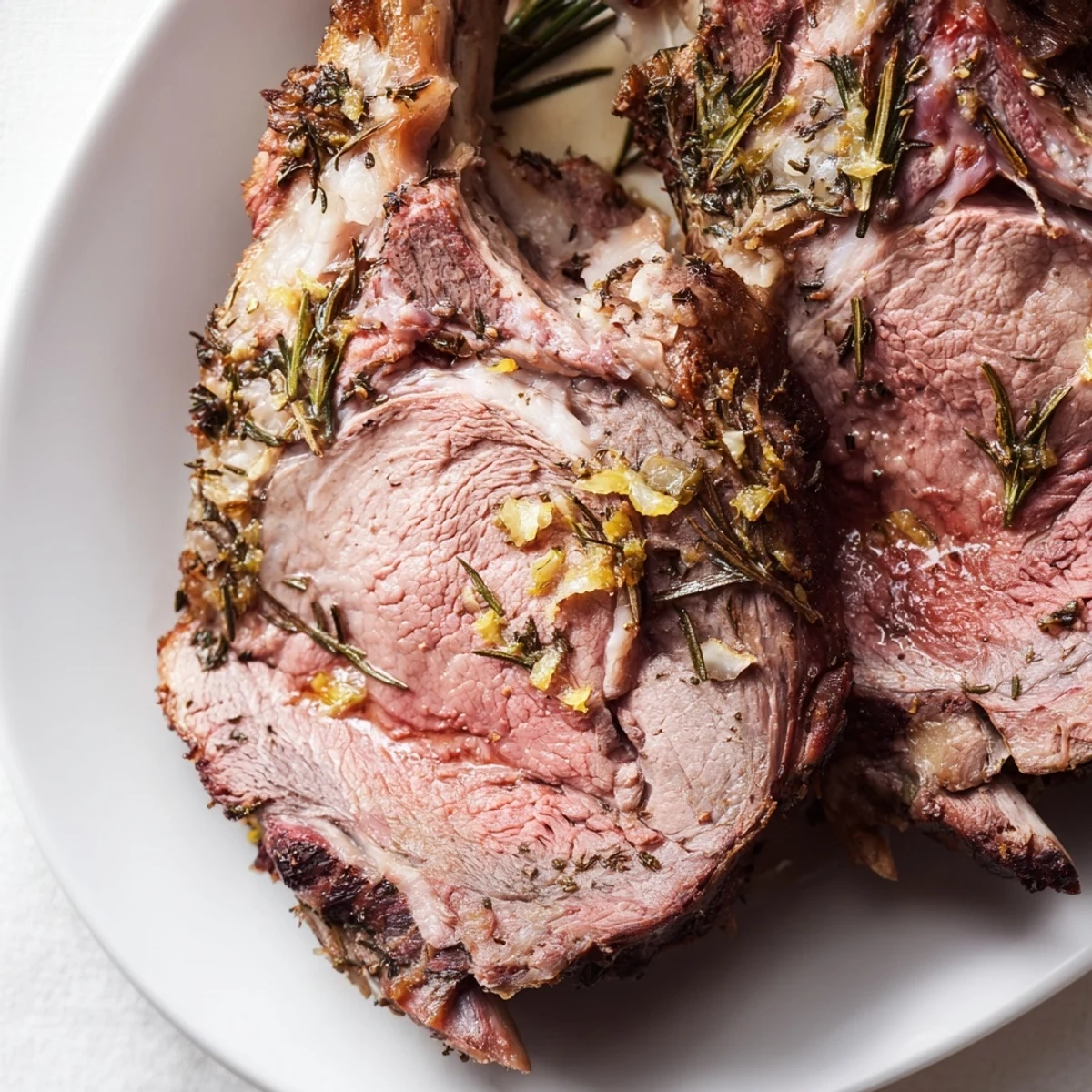
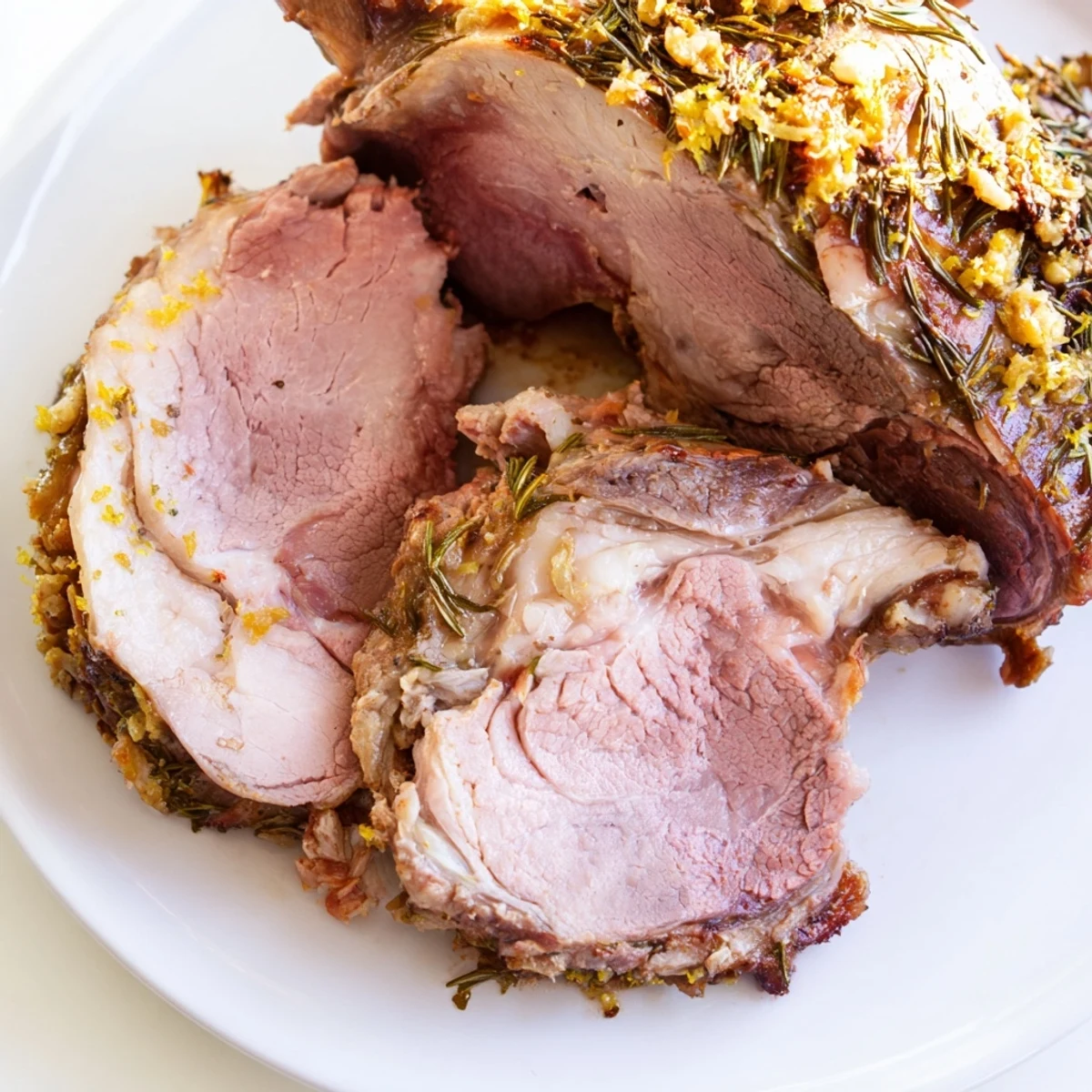
 This dish features a bone-in lamb leg seasoned with fresh rosemary, garlic, lemon zest, and olive oil. The meat is carefully prepared by making small incisions to infuse flavor before roasting on a bed of carrots, onion, and celery. Roasted uncovered initially, then slow-cooked to tender, medium-rare perfection, the lamb is rested and served with pan juices reduced into a rich sauce. Aromatic and full-bodied, it pairs beautifully with bold red wine and seasonal vegetables.
The first time I attempted a leg of lamb, I was hosting Easter dinner for my in-laws and had never cooked anything larger than a chicken breast. I spent three days researching techniques, worried Id ruin the centerpiece of our holiday meal. Now, after years of Sunday roasts and celebratory feasts, this rosemary and garlic version has become the one people actually request by name.
Last Christmas, my brother stood by the carving board for twenty minutes, picking at the edges and claiming he was just testing the temperature. The combination of garlic tucked into those little slits and fresh rosemary creates something that feels restaurant-quality but comes together with surprisingly little hands-on effort.
Ingredients
- 1 bone-in leg of lamb (about 2 kg / 4.5 lbs): Bone-in adds flavor and helps the meat cook more evenly
- 2 tbsp olive oil: Creates a beautiful golden crust and helps the seasonings adhere
- 2 tsp kosher salt: Don't be shy here - lamb can handle a generous seasoning
- 1 tsp freshly ground black pepper: Freshly ground makes a noticeable difference in depth
- 6 cloves garlic, peeled and sliced: Tucking these into the meat infuses flavor throughout
- 4 sprigs fresh rosemary: Fresh herbs are non-negotiable here - dried won't give you that aromatic punch
- 2 sprigs fresh thyme (optional): Adds an earthy layer that complements the rosemary
- 1 lemon, zested and quartered: Brightens the rich flavor and cuts through the fat
- 2 large carrots, 1 large onion, 2 celery stalks: These vegetables create a roasting rack and flavor the pan juices
- 250 ml (1 cup) dry white wine or chicken broth: Forms the base of your pan sauce
Instructions
- Prep your oven and lamb:
- Preheat oven to 200°C (400°F) and pat the lamb completely dry with paper towels - this step is crucial for proper browning.
- Insert the aromatics:
- Using a sharp knife, make small slits all over the lamb and tuck garlic slices and tiny rosemary sprigs inside each one.
- Season the lamb:
- Rub the entire surface with olive oil, then press the salt, pepper, and lemon zest into the meat to help it stick.
- Build your roasting base:
- Scatter the carrot chunks, onion quarters, and celery pieces in your roasting pan to create a natural bed for the lamb.
- Position and prep for roasting:
- Place the lamb fat-side up on the vegetables, tuck remaining herbs around the sides, squeeze lemon juice over everything, and add the lemons to the pan.
- Add moisture and start roasting:
- Pour the wine or broth into the pan and roast at 200°C (400°F) for 20 minutes to sear the exterior.
- Check for doneness:
- Insert a meat thermometer into the thickest part - 55-60°C (130-140°F) gives you perfectly medium-rare.
- Rest before carving:
- Transfer the lamb to a platter, tent loosely with foil, and let it rest for 15-20 minutes so the juices redistribute.
- Make the pan sauce:
- Strain the pan juices through a fine mesh sieve, skim off the excess fat that rises to the top, and serve warm alongside the sliced lamb.
 Save to Pinterest
 My daughter now asks for this on her birthday every year, even though we originally served it only for holidays. Something about gathering around a roasted leg of lamb makes ordinary Sunday dinners feel like celebrations worth remembering.
Choosing the Right Cut
I've learned that a semi-boneless leg offers the best of both worlds - easier carving than a full bone-in cut but more flavor than boneless. Talk to your butcher and ask them to trim most of the fat cap while leaving about 1/4 inch for basting and flavor.
Timing Your Roast
The 20 minutes per pound rule is a good starting point, but every oven behaves differently. I always start checking the temperature about 30 minutes before I expect it to be done - it's easier to let it rest longer than to rescue overcooked lamb.
Serving Suggestions
Roasted potatoes tossed in the same pan juices are absolutely mandatory in our house. The starch soaks up all that rendered fat and herb flavor, becoming almost better than the meat itself.
- Pair with a bold red wine like Cabernet Sauvignon or Syrah to stand up to the rich flavor
- Consider a simple green salad with sharp vinaigrette to balance the richness
- Mint jelly is traditional, but a fresh gremolata adds brightness without overwhelming the lamb
 Save to Pinterest
 There's something deeply satisfying about serving a perfectly roasted leg of lamb - it turns any meal into an occasion worth lingering over.
Recipe FAQs
- → How do I achieve medium-rare doneness for the lamb leg?
-
Use a meat thermometer to check internal temperature, aiming for 55–60°C (130–140°F). Roast about 20 minutes per 500g for medium-rare, then rest before carving.
- → Can I prepare the lamb in advance?
-
Marinate the lamb overnight with garlic, rosemary, and olive oil to deepen flavor and save cooking day preparation time.
- → What sides complement this roasted lamb?
-
Roasted potatoes and seasonal vegetables provide a satisfying accompaniment, balancing the rich, savory flavors of the lamb.
- → How do the aromatics enhance the flavor?
-
Garlic and rosemary inserted into incisions infuse the meat from within, while lemon zest adds brightness, creating a layered aromatic profile.
- → Is there an alternative to wine for roasting liquids?
-
Low-sodium chicken broth can be used in place of white wine, maintaining moisture and building a savory base for pan juices.