
 Save to Pinterest
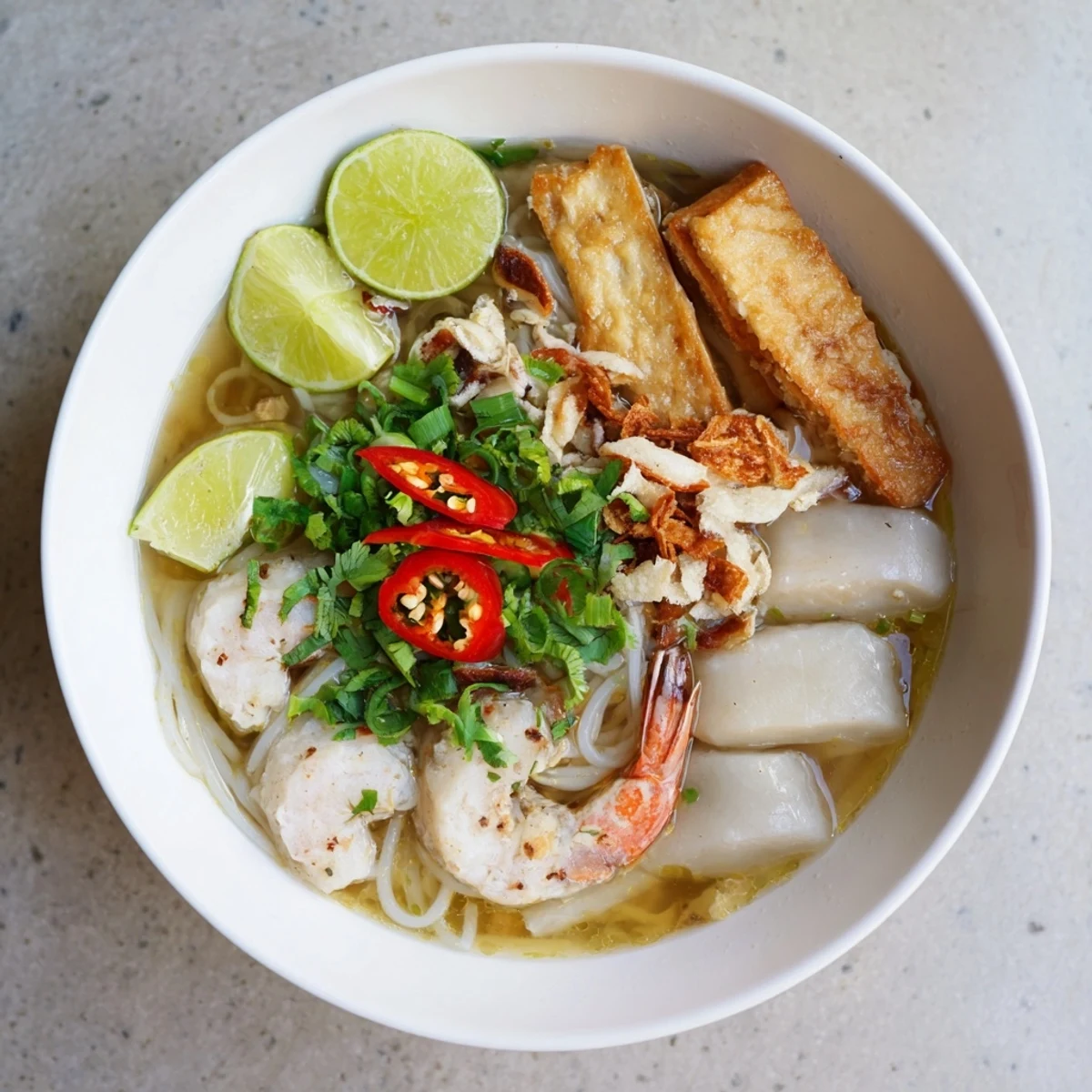
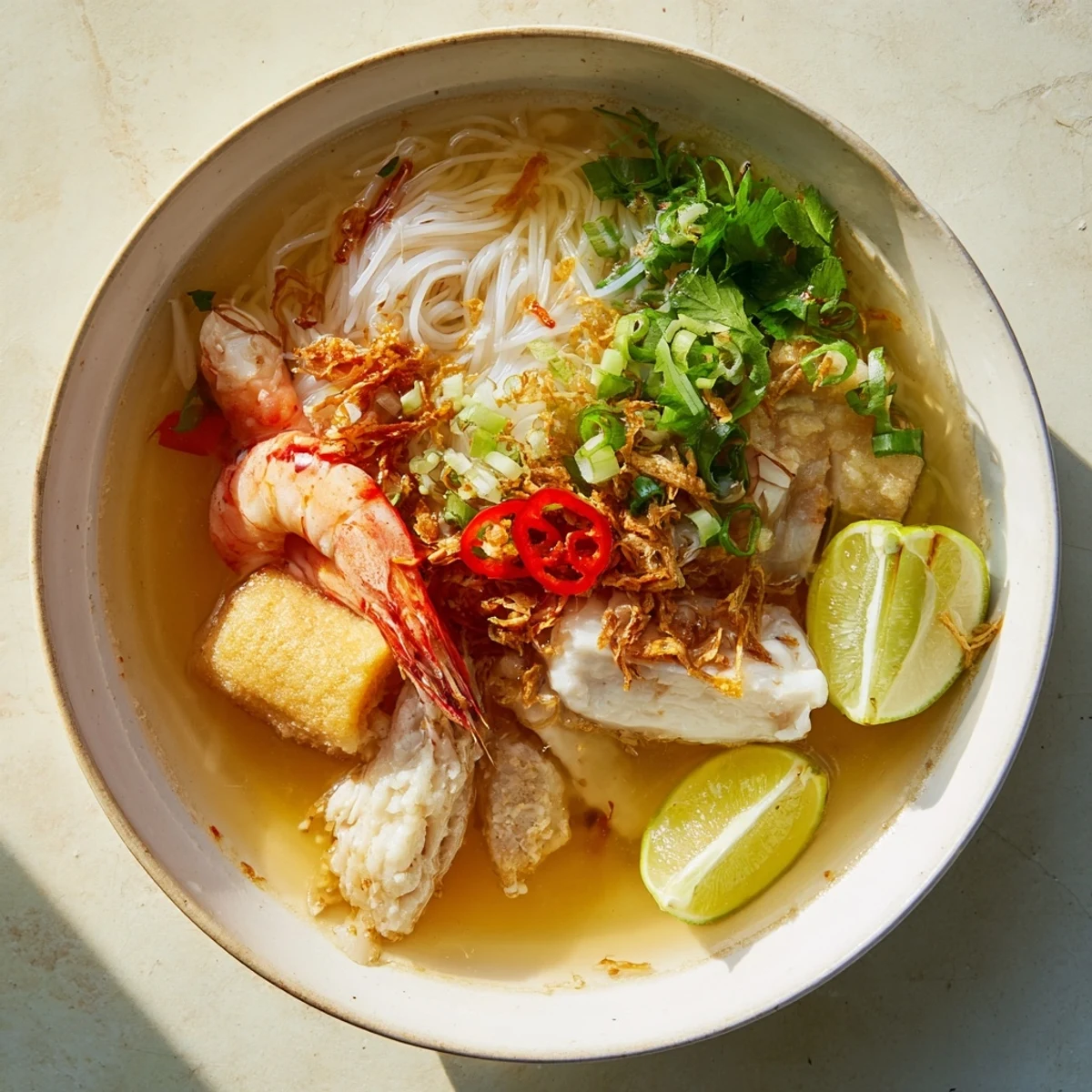
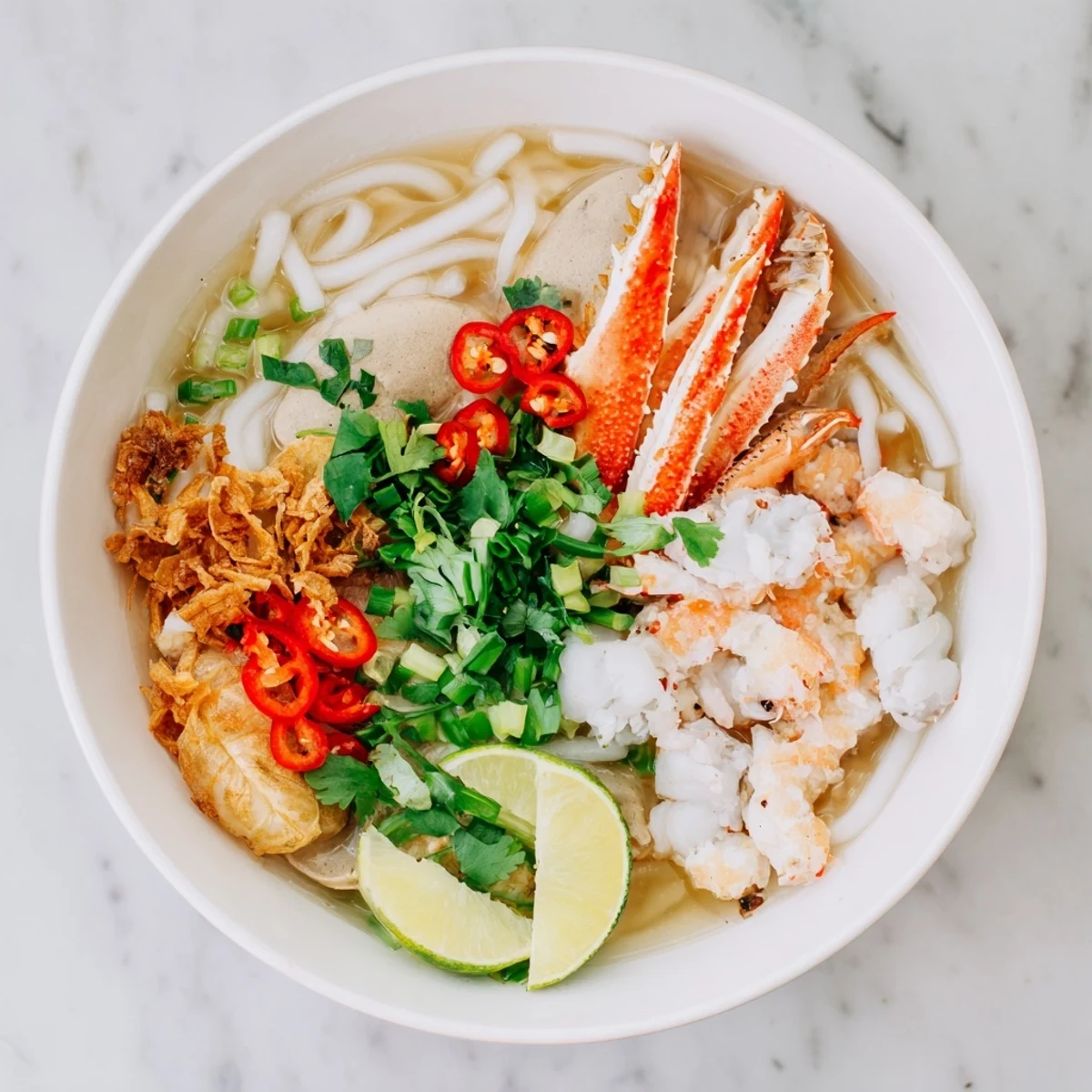
 This hearty Vietnamese bowl features thick, chewy tapioca noodles swimming in a fragrant broth simmered with pork bones and aromatics. The soup comes alive with tender crab meat, plump shrimp, and sliced fish cakes, all infused with fish sauce and savory depth. Each bowl is finished with crisp garnishes—fried shallots, fresh cilantro, spring onions, and a squeeze of lime—creating layers of texture and bright contrast against the warming, umami-rich broth.
My grandmother would wake up before dawn on Sundays, the sound of her knife chopping vegetables floating through our thin apartment walls. She insisted the best banh canh needed patience, that rushing the broth was like rushing a story, it never quite landed right. Now I understand what she meant, those quiet hours before anyone else woke up were when the magic happened.
Last winter when my friend Mai was recovering from surgery, I brought over a pot of this soup. She took one sip and started crying, said it tasted exactly like what her mother used to make before she passed away. Sometimes food really does hold memories, all steam curled up and waiting in a bowl.
Ingredients
- 1.2 liters chicken stock: Using store bought stock works perfectly fine here, but if you have homemade, even better
- 400 g pork bones: Blanch these first in boiling water to remove any impurities that might cloud your broth
- 1 yellow onion: Leave the skin on for deeper color, just give it a quick rinse
- 2 cloves garlic: Smashed not minced, you want them whole so theyre easy to remove later
- 1 tsp each salt and sugar: The sugar balances the saltiness and helps bring out the crabs natural sweetness
- 1 tbsp fish sauce: Add this toward the end so it doesnt lose its aroma
- 300 g fresh crab meat: If using crab claws, crack them slightly so the broth can really get in there
- 150 g shrimp: Peeled and deveined, but leave the tails on if you want something pretty to look at
- 200 g fish cakes: Surimi works great here, just slice them into rounds that are easy to eat with noodles
- 400 g banh canh noodles: These thick tapioca noodles are what make this dish special, they have this chewy bouncy texture thats unlike any other noodle
- 2 spring onions: Finely sliced, include some of the green tops for color
- 2 tbsp fried shallots: These add such a wonderful crunch, you can usually find them at Asian markets
- 1 small bunch cilantro: Rough chopped, stems and all, they hold up better in hot broth
- 1 red chili: Sliced thin, totally optional if youre sensitive to heat
- Lime wedges: Everyone likes to adjust their own acidity, so serve plenty on the side
- Fresh ground black pepper: Grind it fresh right before serving for the best aroma
Instructions
- Build your broth base:
- In your largest pot, combine the chicken stock with those blanched pork bones, onion halves, smashed garlic, salt, and sugar. Bring everything to a rolling boil, then lower the heat and let it simmer gently for 30 minutes, skimming off any foam that rises to the top, this keeps your broth clear and clean tasting.
- Season and strain:
- Stir in the fish sauce now, then carefully fish out the pork bones and onion halves and discard them. Your broth should be golden and fragrant, smelling like comfort in a pot.
- Cook the shrimp:
- Drop the shrimp into the simmering broth and cook for just 2 to 3 minutes until they turn pink and curl slightly. Remove them immediately so they dont overcook, nobody likes rubbery shrimp.
- Infuse the crab:
- Add the crab meat and sliced fish cakes to the broth, letting everything simmer gently for 5 to 7 minutes. The crab will release its sweet flavor into the broth, turning it into something extraordinary.
- Prepare the noodles:
- Cook your banh canh noodles according to the package directions, usually just a quick boil. Drain and give them a light rinse so they dont clump together, which they love to do if you turn your back for even a second.
- Assemble your bowls:
- Divide the noodles among four deep soup bowls, then arrange the shrimp, crab meat, and fish cakes on top. Ladle the hot broth over everything, making sure each bowl gets plenty of the good stuff.
- Add the finishing touches:
- Scatter spring onions, fried shallots, cilantro, and chili over each bowl. Serve with lime wedges and black pepper on the side so everyone can season their own bowl exactly how they like it.
 Save to Pinterest
 The first time I made this for my husband, he took three bites in complete silence. Then he looked up and said he finally understood why I talked about Vietnamese food so much. Thats the thing about really good soup, it speaks a language everyone understands.
Making It Your Own
My aunt adds quail eggs sometimes, and honestly, it elevates the whole bowl. Soft boiled eggs with runny yolks mix into the broth and make it even richer, like youre eating something from a fancy restaurant instead of your own kitchen.
The Secret To Clear Broth
I learned the hard way that blanching your pork bones first makes all the difference. Drop them in boiling water for 2 minutes, rinse, then start your actual broth. It removes the scum that clouds your soup, and your final bowl will look restaurant beautiful.
Perfect Pairings
This soup is substantial enough to be a complete meal on its own, but I love serving it with some crusty bread for dipping. The combination of Vietnamese flavors and French style bread is so uniquely delicious, a little reminder of Vietnams colonial history right there on your dinner table.
- Fresh baguette slices toasted until golden
- Simple cucumber salad dressed with vinegar and sugar
- Iced Vietnamese coffee with sweetened condensed milk for dessert
 Save to Pinterest
 There is nothing quite like lifting a steaming bowl to your face and breathing in that crab infused steam. It is the kind of meal that wraps around you and holds on tight.
Recipe FAQs
- → What makes banh canh noodles unique?
-
Banh canh noodles are thick, chewy strands made from tapioca starch and rice flour. Their gelatinous texture and slightly translucent appearance distinguish them from thinner rice noodles like pho or bun.
- → Can I use imitation crab?
-
Yes, imitation crab or surimi works well in this dish. It's budget-friendly and already cooked, so add it during the final minutes just to heat through rather than simmering.
- → How do I prevent tapioca noodles from sticking?
-
Rinse the cooked noodles under cool water immediately after draining. Toss them lightly with a teaspoon of oil to keep strands separate until ready to assemble bowls.
- → What broth variations work best?
-
For deeper color, add annatto oil during simmering. For extra richness, substitute part of the chicken stock with seafood stock. Coconut milk can be added for creamier variations.
- → Is this suitable for freezing?
-
The broth freezes well for up to 3 months. Freeze separately from noodles and seafood. When reheating, bring broth to a simmer and add fresh-cooked noodles and seafood.
- → What can substitute fish cakes?
-
Sliced tofu, additional shrimp, or squid work as alternatives. For texture without fish, add wood ear mushrooms or shredded cabbage for a lighter variation.