
 Save to Pinterest
 This dandelion jelly transforms humble spring flowers into a golden, floral spread that elevates everyday meals. The process is straightforward: steep freshly picked yellow petals in hot water, strain the infused liquid, then set it with fruit pectin and a touch of lemon juice. The result is a delicate, radiant jelly with a natural sweetness that pairs beautifully with soft cheeses, warm scones, or swirled into yogurt. Ready in about an hour with just four half-pint jars as the yield, it's a rewarding way to celebrate the season. Adjust the sugar to your preference and consider adding calendula petals for a deeper golden hue.
My neighbor asked why I was crawling around the front yard with scissors and a bowl, and honestly I didn't have a great answer at the time. An hour later, when that steeped liquid turned the most improbable shade of gold on the stove, I started explaining myself a lot faster.
I brought a jar to a spring brunch last year and watched three friends take turns holding it up to the window light, completely transfixed by the color. One of them called it edible sunshine and I have never gotten a better compliment on anything I have made.
Ingredients
- Fresh dandelion flowers: Pick these from areas you trust completely because any spraying ruins the whole batch and 4 cups of yellow heads means about 20 minutes of careful picking
- Water: Used to pull every bit of flavor from the petals during the steep
- Lemon juice: Fresh is critical here because bottled juice can dull that delicate floral brightness
- Granulated sugar: Start at 1.5 cups and taste before going higher since you want sweetness without drowning the flower flavor
- Fruit pectin: This is what turns a pretty tea into actual jelly so do not skip it or substitute with gelatin
Instructions
- Prep the petals:
- Rinse the flowers gently and pinch off every bit of green because even tiny green pieces add bitterness that no amount of sugar can hide.
- Steep the gold:
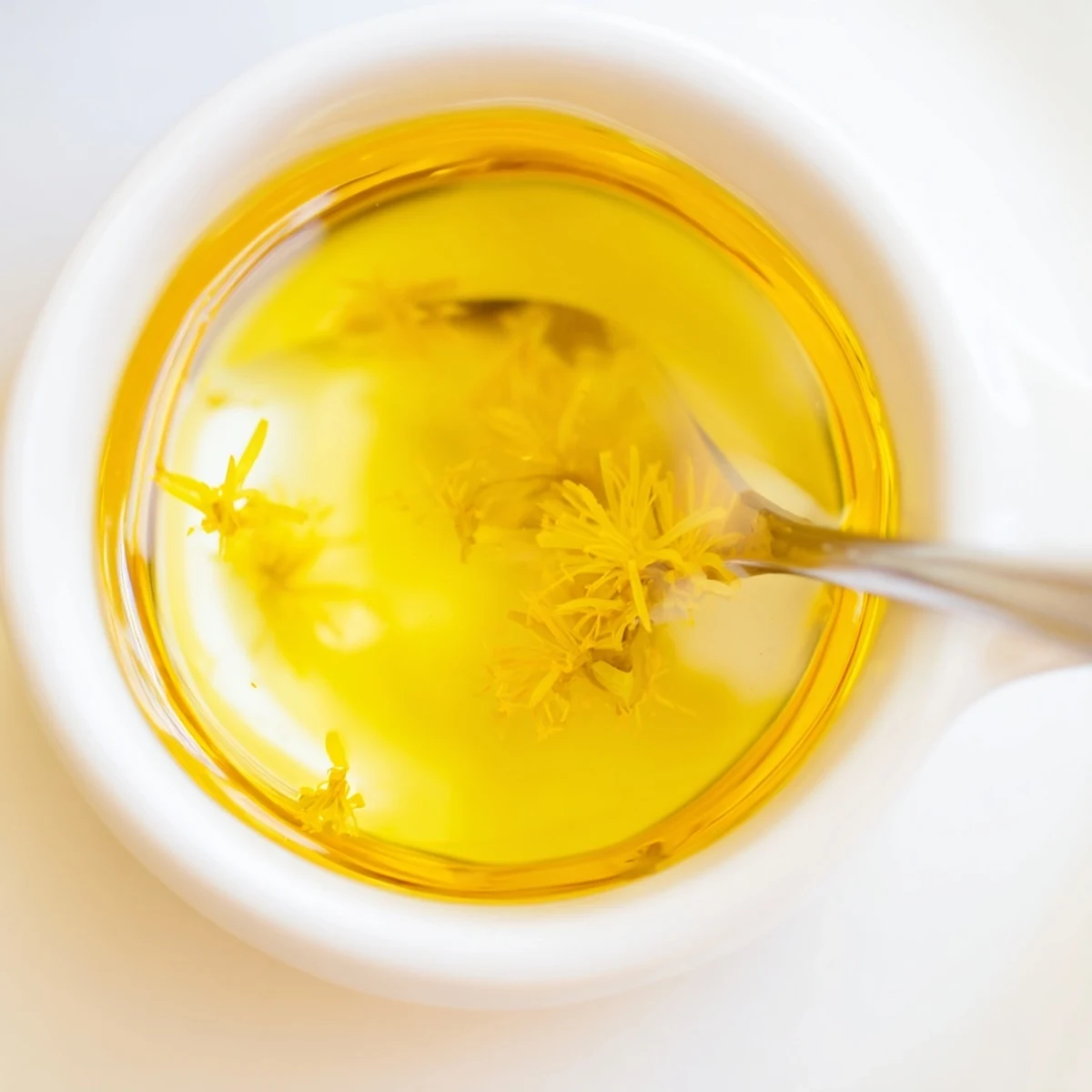
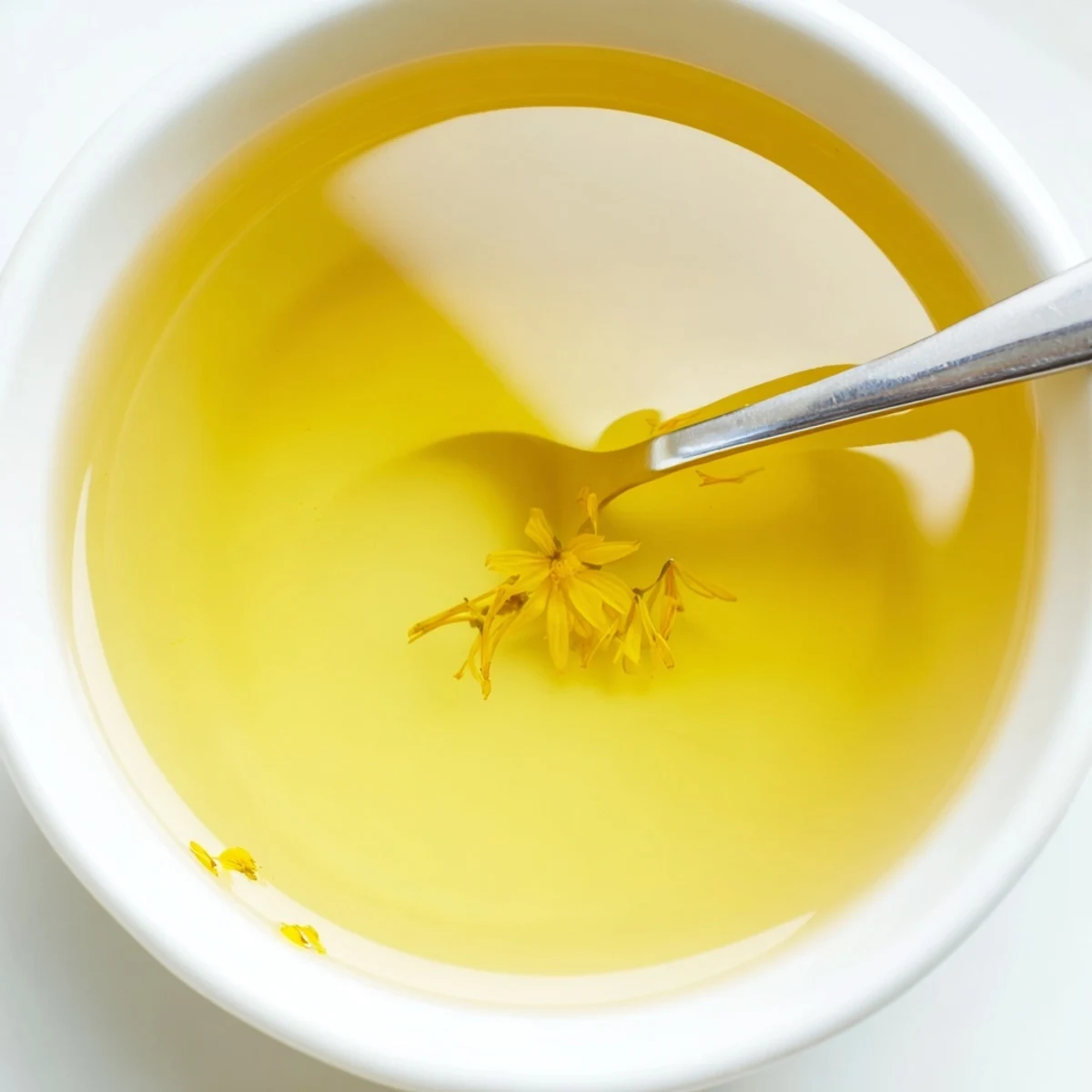
- Simmer the yellow petals in water for 10 minutes then walk away for half an hour while the liquid transforms into something fragrant and deeply colored.
- Strain and measure:
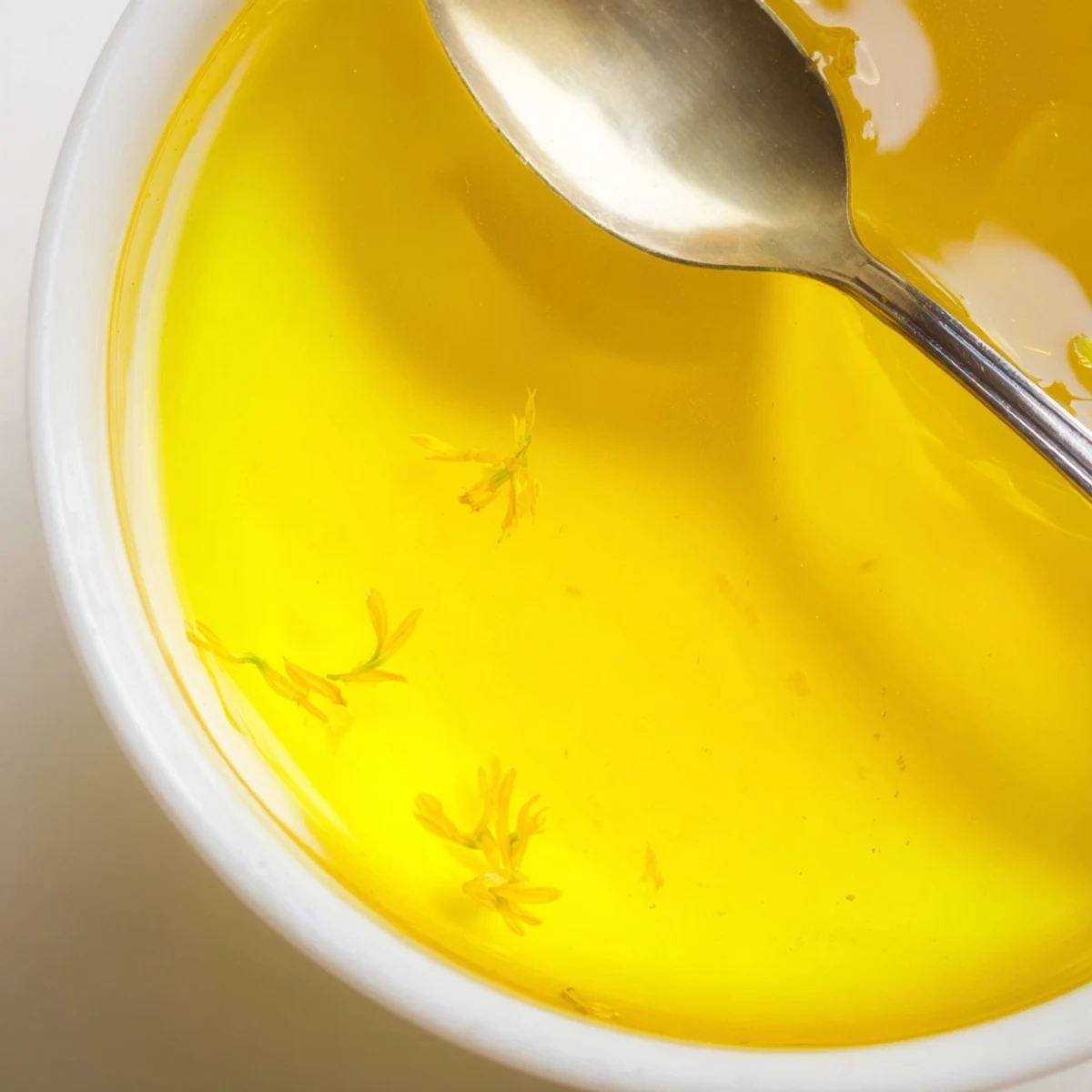
- Pour everything through cheesecloth or a fine sieve and press hard because that liquid carries all the flavor and you need about 3 cups to proceed.
- Set it up:
- Stir the lemon juice and pectin into the measured liquid and bring it to a full rolling boil you cannot stir down.
- Sweeten and finish:
- Dump in the sugar all at once, return to a boil, and hold it there for 1 to 2 minutes while stirring like your life depends on it.
- Jar it up:
- Skim the foam off the top, ladle the hot jelly into sterilized jars with a quarter inch of headspace, and either process in a water bath or tuck them straight into the fridge.
 Save to Pinterest
 My mother in law grew up canning everything and when I handed her a jar she unscrewed the lid, smelled it, and went quiet for a long time. Then she said her grandmother used to make something like this and she had not thought about it in forty years.
Pairing It With the Right Foods
Soft cheeses like brie or goat cheese are the best canvas because the mild tang lets the honey like flavor of the jelly actually show up. A thin layer on a scone with clotted cream is the move that converts skeptics fastest.
Deepening the Color Naturally
If your jelly comes out paler than you hoped, toss in a few calendula or marigold petals during the steep and they will lend a richer amber tone without changing the flavor profile much at all.
Making This a Kitchen Tradition
The whole process takes about an hour and becomes something you look forward to once you realize how short the dandelion window really is. Pick them before the lawn gets mowed and before they go to seed or you will be waiting a full year.
- Set a calendar reminder for late April or early May depending on your zone
- Scout a good picking spot now before the flowers even open
- Label your jars with the year because you will want to compare batches
 Save to Pinterest
 There is something deeply satisfying about turning a yard full of weeds into something beautiful enough to give away. Every jar feels like a small act of stubborn optimism.
Recipe FAQs
- → What does dandelion jelly taste like?
-
Dandelion jelly has a delicate, mildly floral sweetness with subtle honey-like notes. The lemon juice adds a gentle brightness that balances the floral character, making it taste reminiscent of light wildflower honey rather than anything strongly herbal.
- → Can I use less sugar for a lighter version?
-
Yes, you can reduce the sugar, though keep in mind that sugar plays a role in the setting process. Less sugar will produce a softer set and a shorter shelf life. If you want a firmer gel with less sweetness, consider using a low-sugar or no-sugar pectin specifically formulated for reduced-sugar preserves.
- → How do I know if the dandelions I pick are safe to use?
-
Only harvest dandelions from areas you know have not been treated with pesticides, herbicides, or chemical fertilizers. Avoid picking near roadsides, driveways, or public parks where spraying is common. Look for bright yellow flower heads in open yards or meadows, and pick on a dry morning after dew has evaporated for the best flavor.
- → Why is it important to remove the green parts of the dandelion flower?
-
The green sepals and bracts at the base of dandelion flowers can introduce bitterness into your jelly. By gently snipping or pulling away the green parts and using only the yellow petals, you ensure a clean, sweet floral flavor without any unpleasant astringent undertones.
- → How long does homemade dandelion jelly last?
-
If processed in a boiling water bath and sealed properly, dandelion jelly will keep for up to one year in a cool, dark pantry. Once opened, store it in the refrigerator where it will stay fresh for about three to four weeks. If you skip the water bath and simply refrigerate, use it within four to six weeks.
- → What are the best ways to serve dandelion jelly?
-
Dandelion jelly shines as a spread on warm toast, biscuits, or scones. It also pairs wonderfully with soft cheeses like brie or chevre on a charcuterie board. Try swirling it into plain yogurt, drizzling it over pancakes, or using it as a filling between cake layers for a subtle floral twist on desserts.