
 Save to Pinterest
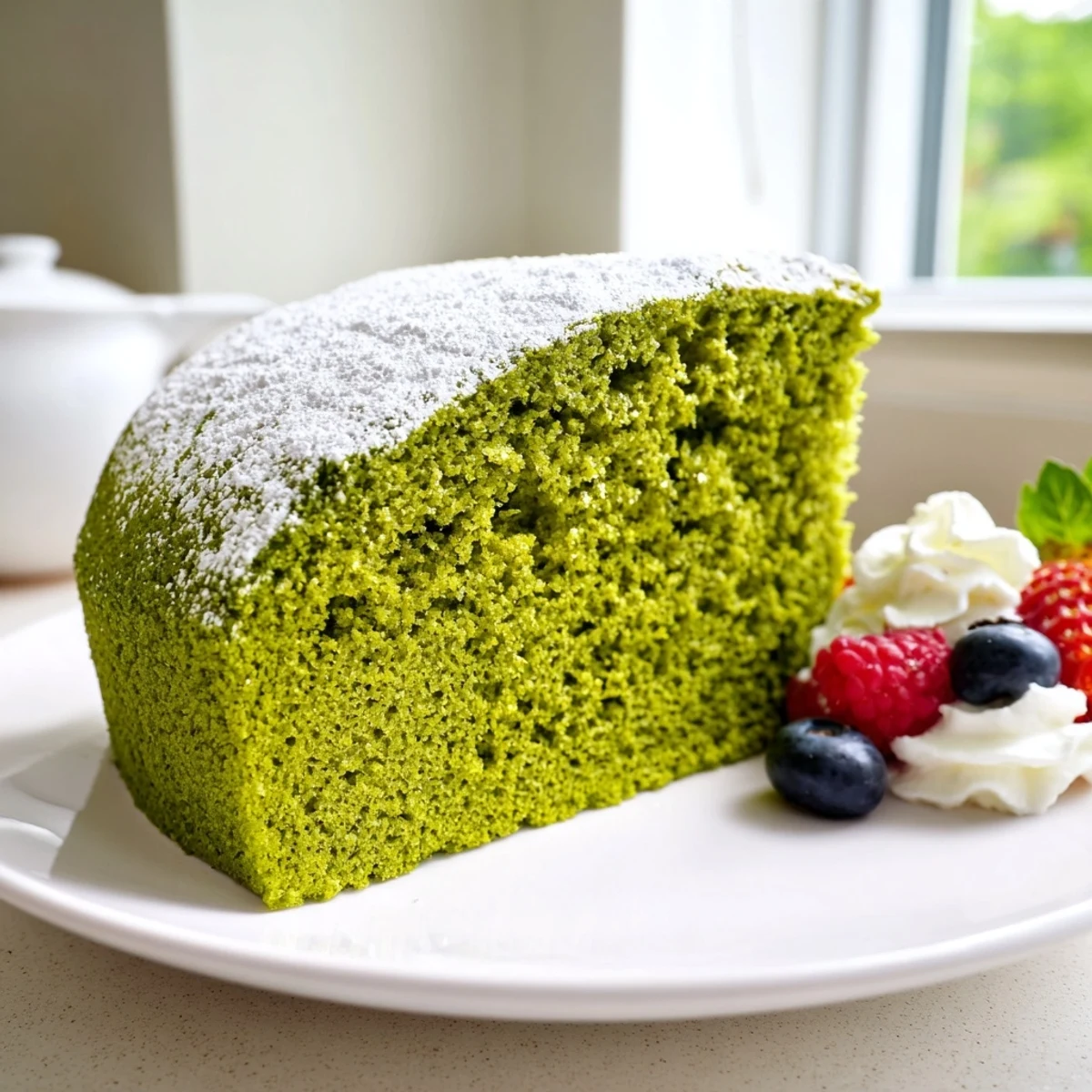
 This Japanese-inspired matcha sponge cake delivers a light, fluffy texture with the earthy, vibrant notes of premium green tea powder. The batter comes together by alternating dry sifted flour and matcha with a rich wet mixture of melted butter, eggs, and milk. Baked at 350°F for 30–35 minutes, it yields a tender crumb with a beautiful green hue throughout.
Perfect for afternoon tea, celebrations, or a refined everyday dessert. Dust with powdered sugar and pair with whipped cream or fresh berries for an elegant finish. Adjust matcha intensity by adding an extra tablespoon for a bolder, more robust green tea flavor.
The afternoon light slanted through my kitchen window the color of honey, and somewhere between a second cup of coffee and a restless craving, I found myself reaching for the little tin of matcha powder I had brought back from a trip to Kyoto. The smell alone, grassy and slightly bitter, transported me straight back to that tiny tea shop where an elderly woman whisked bowls of green foam with practiced hands. I had never thought to bake with it until that moment of idle curiosity turned into a full afternoon project. The result was a cake so tender and fragrant that it permanently earned a place in my rotation.
I brought this cake to a friends potluck dinner last spring, setting it on the table between a store bought pie and a platter of brownies. Within ten minutes half the cake had vanished and two people were asking for the recipe. One friend, who claims she does not like green tea, came back for a second slice before I even finished my first.
Ingredients
- All purpose flour (1 1/2 cups, 180 g): The structural backbone of this sponge, and sifting it is nonnegotiable for that cloudlike crumb.
- Matcha green tea powder (2 tbsp): Use ceremonial grade if you can find it, the color and flavor difference compared to culinary grade is striking.
- Baking powder (1 tsp): Gives the cake its gentle lift without competing with the matcha.
- Salt (1/4 tsp): Just enough to sharpen the sweetness and balance the earthy notes.
- Granulated sugar (3/4 cup, 150 g): Moderately sweet, which lets the tea flavor shine rather than burying it.
- Whole milk, room temperature (1/2 cup, 120 ml): Cold milk can seize the melted butter, so let it sit out while you prepare the dry ingredients.
- Unsalted butter, melted and slightly cooled (2/3 cup, 150 g): The melted butter creates a denser, more tender crumb than creamed butter would.
- Large eggs, room temperature (3): Room temperature eggs incorporate more air during whisking, which is the key to a lighter sponge.
- Vanilla extract (1 tsp): A quiet background note that rounds out the earthiness of the matcha beautifully.
Instructions
- Prepare the oven and pan:
- Heat your oven to 350°F (175°C) and grease an 8 inch round cake pan before lining the bottom with parchment paper. This step sounds fussy but the parchment guarantees a clean release every time.
- Sift the dry ingredients together:
- Pass the flour, matcha powder, baking powder, and salt through a fine mesh sieve into a medium bowl. You will notice the matcha wants to clump, so take your time and press any stubborn bits through with the back of a spoon.
- Whisk eggs and sugar until fluffy:
- In a large bowl, beat the eggs and sugar vigorously for about two to three minutes until the mixture turns pale yellow and falls in thick ribbons from the whisk. This aeration is what gives the cake its signature softness.
- Add butter and vanilla:
- Pour in the melted butter and vanilla extract, folding gently until the mixture looks glossy and uniform. The batter may seem slightly loose at this stage, which is perfectly normal.
- Combine wet and dry in stages:
- Alternate adding the sifted dry ingredients and the milk, beginning and ending with the flour mixture, stirring just until each addition disappears. Stop mixing the moment everything is incorporated, overworking the batter is the fastest way to a tough cake.
- Bake until set:
- Pour the batter into your prepared pan, smooth the top with a spatula, and bake for thirty to thirty five minutes. A toothpick inserted into the center should come out clean and the edges will just barely pull away from the sides.
- Cool completely:
- Let the cake rest in its pan for ten minutes, then turn it out onto a wire rack to cool entirely before serving. Dust generously with powdered sugar and add whipped cream or fresh berries if you are feeling generous.
 Save to Pinterest
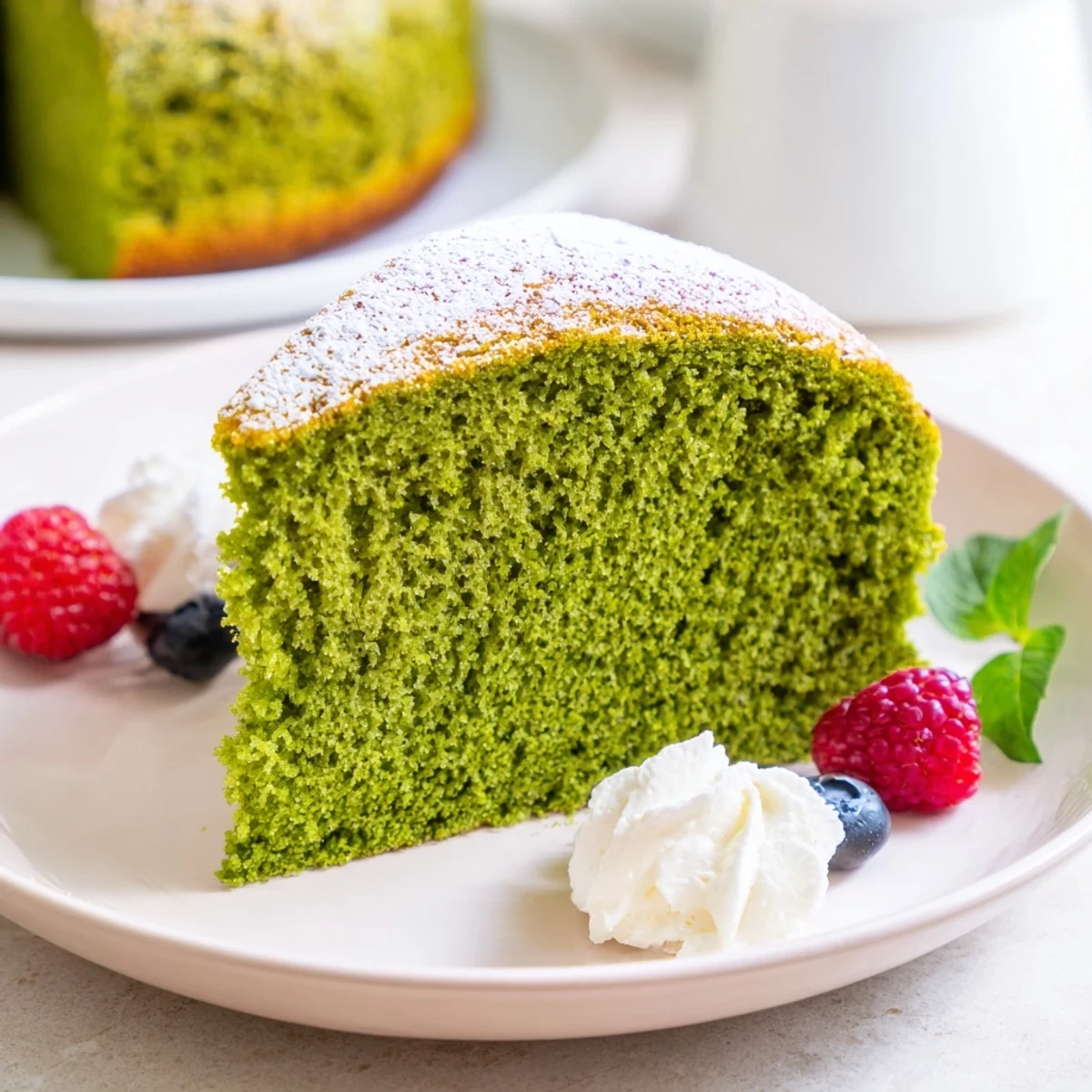
 There is something quietly ceremonial about slicing into this green hued cake, almost like serving tea itself in a different form. I have started making it for small gatherings when I want something that feels considered but not fussy.
Getting the Color Right
The first time I baked this cake I used a budget matcha from the grocery store and the result was a disappointing brownish yellow that tasted fine but looked nothing like the photos I had seen. Switching to a mid range ceremonial grade powder transformed both the hue and the flavor dramatically. You do not need the most expensive tin on the shelf, but avoid anything labeled purely as cooking or baking grade if vibrant color matters to you.
Serving and Pairing Ideas
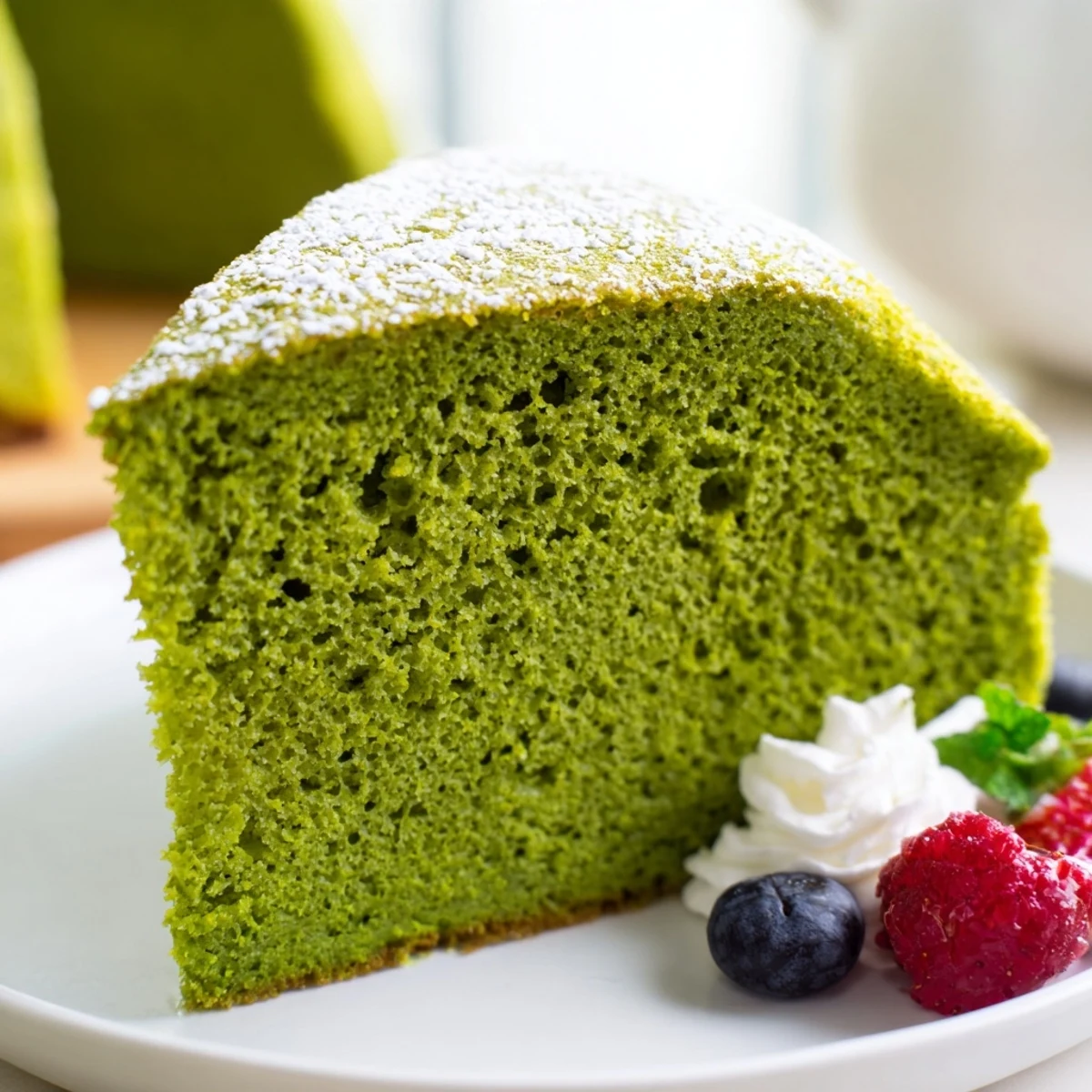
This cake shines on its own with nothing more than a shower of powdered sugar, but a dollop of barely sweetened whipped cream and a few raspberries or sliced strawberries make it dinner party worthy. I once served thin slices alongside small cups of hot green tea and the pairing was so harmonious that my guests sat in contented silence for a full minute. A glass of sparkling wine or prosecco also works surprisingly well as a weekend afternoon accompaniment.
Storage and Make Ahead Notes
The cake keeps beautifully at room temperature for up to three days when wrapped tightly in plastic, and the matcha flavor actually deepens overnight in a way I find lovely. You can also freeze individual slices wrapped in foil for up to a month, which I do regularly for afternoon treats on busy weekdays.
- Wait until the cake is completely cool before wrapping or condensation will make the surface soggy.
- A gentle reheat in the microwave for ten seconds brings a day old slice back to its original tenderness.
- Keep the cake away from strong smelling foods in the fridge, as matcha absorbs odors quickly.
 Save to Pinterest
 Every time I whisk that vivid green powder into a bowl of flour, I think about that quiet tea shop and the woman who had no idea she would inspire a cake I would make dozens of times. This recipe is proof that the best kitchen adventures start with a single curious impulse.
Recipe FAQs
- → What grade of matcha powder works best for baking this cake?
-
Culinary-grade matcha is ideal for baking. It provides robust flavor that holds up during the baking process and offers a vibrant green color without the premium price of ceremonial-grade matcha. Look for a bright green powder with a fresh, grassy aroma.
- → Can I make this matcha cake ahead of time?
-
Yes, the cake actually improves in flavor after resting. Wrap the cooled cake tightly in plastic wrap and store at room temperature for up to 2 days, or refrigerate for up to 5 days. Bring to room temperature before serving for the best texture and taste.
- → Why did my matcha cake turn out dense instead of fluffy?
-
Overmixing the batter is the most common cause. Once you combine the wet and dry ingredients, fold gently just until no dry streaks remain. Also ensure your baking powder is fresh and your eggs are at room temperature for maximum lift and aeration.
- → Can I substitute the all-purpose flour with a gluten-free alternative?
-
A 1:1 gluten-free baking blend works well as a direct substitute. You can also replace half the all-purpose flour with almond flour for a nuttier, more tender crumb, though the texture will be slightly denser and richer.
- → What pairs well with this matcha sponge cake for serving?
-
This cake complements hot green tea, chamomile, or a glass of sparkling wine beautifully. For toppings, a light dusting of powdered sugar, freshly whipped cream, or seasonal berries like strawberries and raspberries balance the earthy matcha flavor perfectly.
- → How should I store leftover matcha cake?
-
Store leftovers in an airtight container at room temperature for up to 3 days. If your kitchen is warm or humid, refrigerate the cake and bring individual slices to room temperature for about 30 minutes before enjoying to restore the soft, fluffy texture.