
 Save to Pinterest
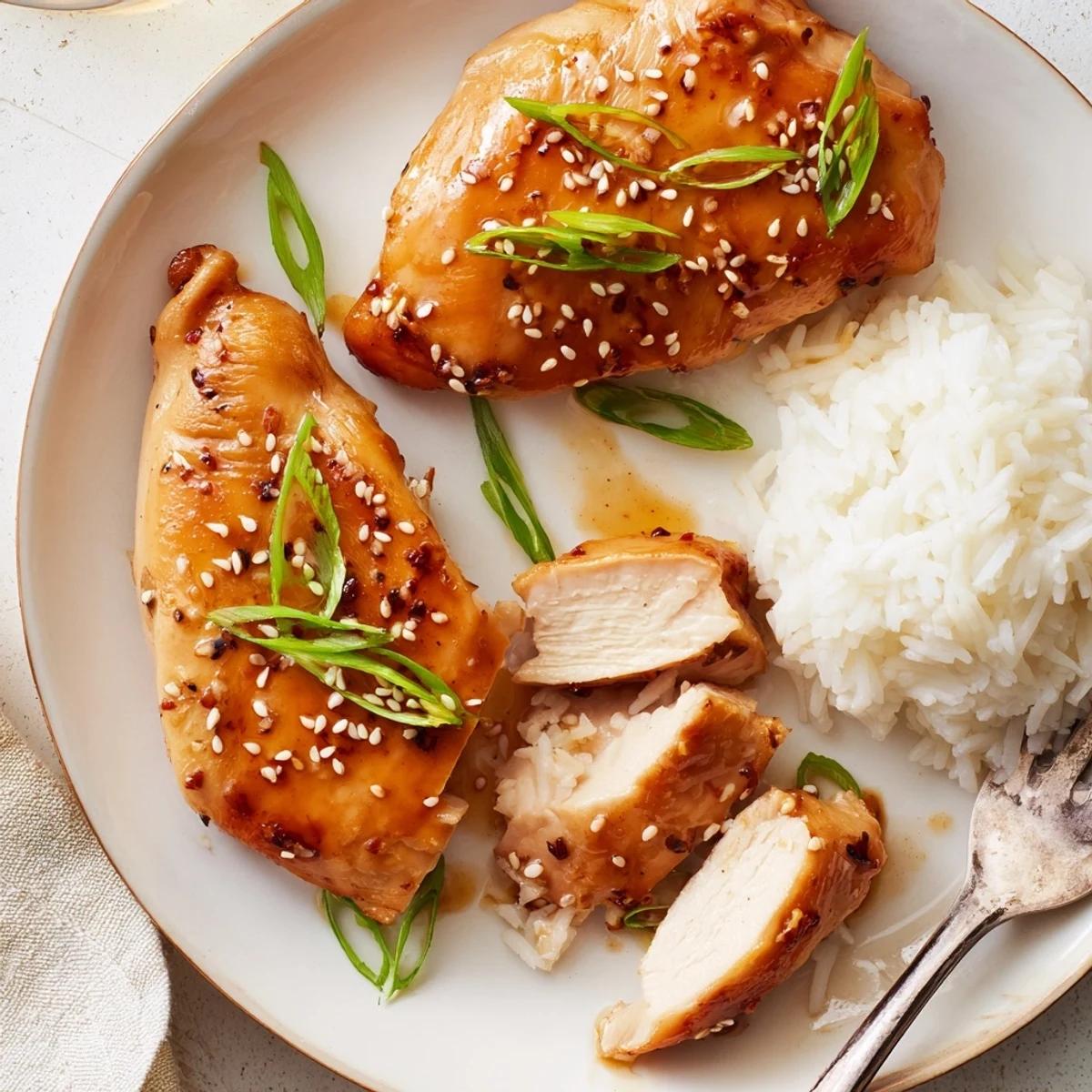
 Marinate boneless chicken thighs in soy, honey, garlic, ginger, rice vinegar and sesame oil for at least 15 minutes or up to overnight for deeper flavor. Bake at 400°F (200°C) for 20–25 minutes, basting with reserved marinade, or pan-sear 6–8 minutes per side until caramelized. Let rest 5 minutes, then garnish with sesame seeds and sliced green onions and serve with rice or noodles.
The sizzle of chicken hitting a hot pan on a Tuesday evening is one of those sounds that instantly signals dinner is happening, and this honey soy chicken was born from exactly that kind of hurried, hungry evening. I had half a bottle of soy sauce, a stubborn jar of crystallized honey, and about thirty minutes before everyone started gravitating toward the kitchen asking what smelled so good. The marinade came together in a rush, more by instinct than measurement, and the result was glossy, sticky, caramelized chicken that tasted like far more effort than it took. It has been on steady rotation ever since.
I once made a double batch of this for a backyard potluck, fully expecting leftovers, and watched people scrape the serving dish clean with their forks. My neighbor asked for the recipe before she even set her plate down, and I had to admit I had never written it down because I just threw things in a bowl and hoped for the best.
Ingredients
- 4 boneless skinless chicken thighs (about 600g): Thighs are the right choice here because they forgive you generously and stay moist through the caramelization process.
- 1/4 cup soy sauce (60 ml): This is the salty backbone of the whole dish, so use a brand you genuinely enjoy the taste of on its own.
- 3 tbsp honey: A quick warm in the microwave makes it pourable and easy to whisk smoothly into the marinade.
- 2 cloves garlic, minced: Fresh garlic matters here because the raw bite melts into something sweet and mellow during cooking.
- 1 tbsp fresh ginger, grated: Use a microplane if you have one because the finer the grate, the more it disappears into the sauce while still doing its job.
- 1 tbsp rice vinegar (or lemon juice): Just enough acidity to keep the sweetness from taking over and to tenderize the chicken slightly.
- 1 tbsp sesame oil: This is your flavor amplifier, adding a nutty depth that makes people ask what your secret ingredient is.
- 1/4 tsp black pepper: A modest amount that quietly ties everything together without stealing attention.
- 1 tsp sesame seeds (optional): Toast them in a dry pan for thirty seconds and they go from decoration to actual flavor.
- 2 green onions, sliced (optional): Scatter them on at the very end for a fresh crunch that cuts through the richness beautifully.
Instructions
- Whisk the marinade together:
- In a medium bowl, combine the soy sauce, honey, garlic, ginger, rice vinegar, sesame oil, and black pepper, whisking until the honey dissolves and the mixture looks unified and glossy. Give it a smell because that aroma right there is your dinner preview.
- Coat the chicken:
- Place the chicken thighs in a resealable bag or shallow dish and pour the marinade over them, making sure every piece gets attention. Let them sit for at least fifteen minutes, though overnight in the fridge transforms the flavor entirely.
- Choose your cooking method:
- Preheat your oven to 400 degrees Fahrenheit for baking, or set a large skillet over medium heat if pan searing is more your style tonight.
- Cook until caramelized:
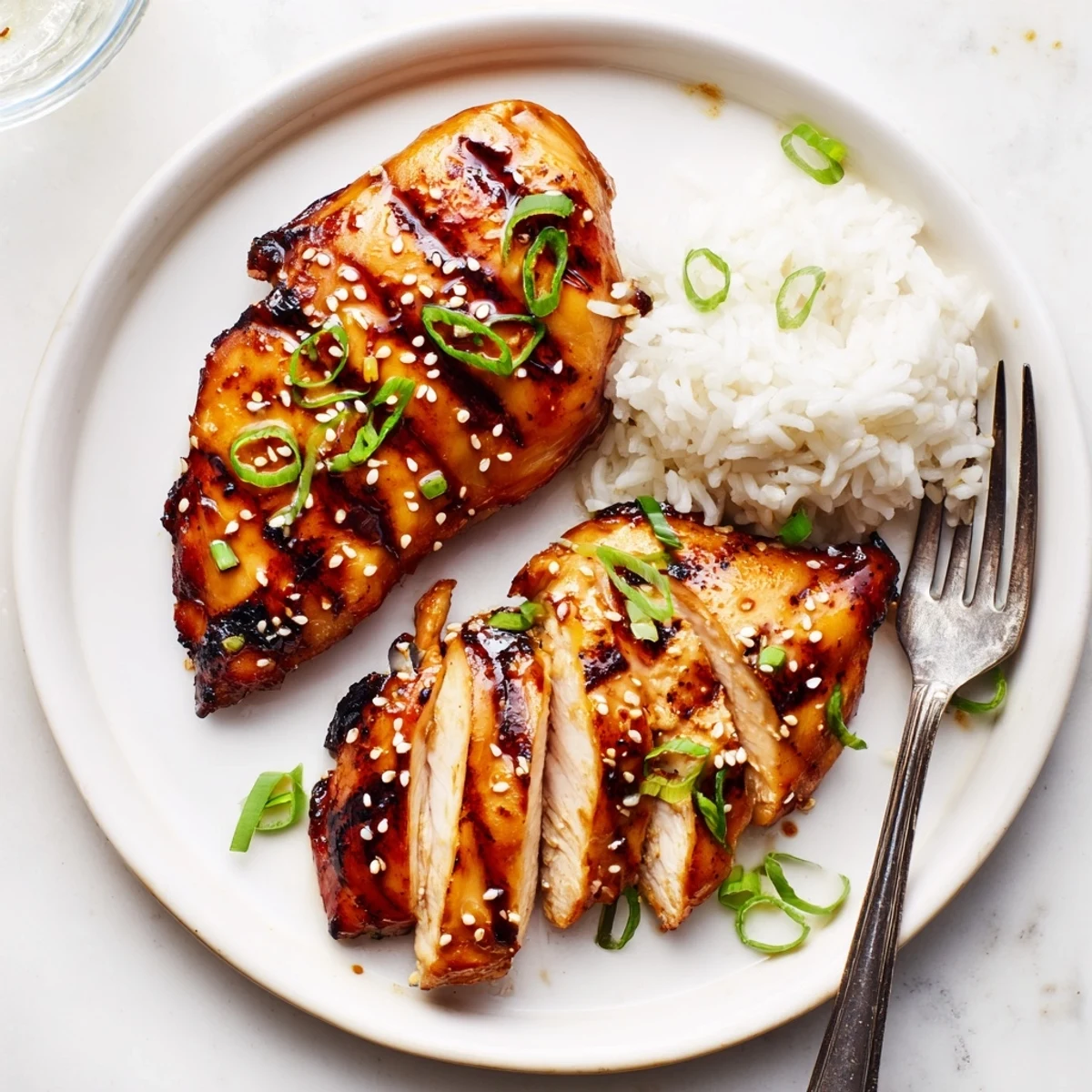
- To bake, arrange the chicken on a lined sheet and roast for twenty to twenty-five minutes, basting once or twice with reserved marinade so the edges darken and go sticky. To pan sear, cook six to eight minutes per side until golden, pouring the remaining marinade over the chicken in the last few minutes so it reduces into a glaze right in the pan.
- Rest and garnish:
- Let the chicken rest for five minutes so the juices settle back where they belong, then sprinkle with sesame seeds and green onions before serving. This brief pause makes the difference between juicy chicken and chicken that leaks all over your plate.
 Save to Pinterest
 There was a night I made this during a thunderstorm, the kitchen dark except for the stovetop light, and the sweet smell of caramelizing honey mixed with the sound of rain on the windows in a way that made everyone eat in happy silence.
Serving Suggestions That Actually Work
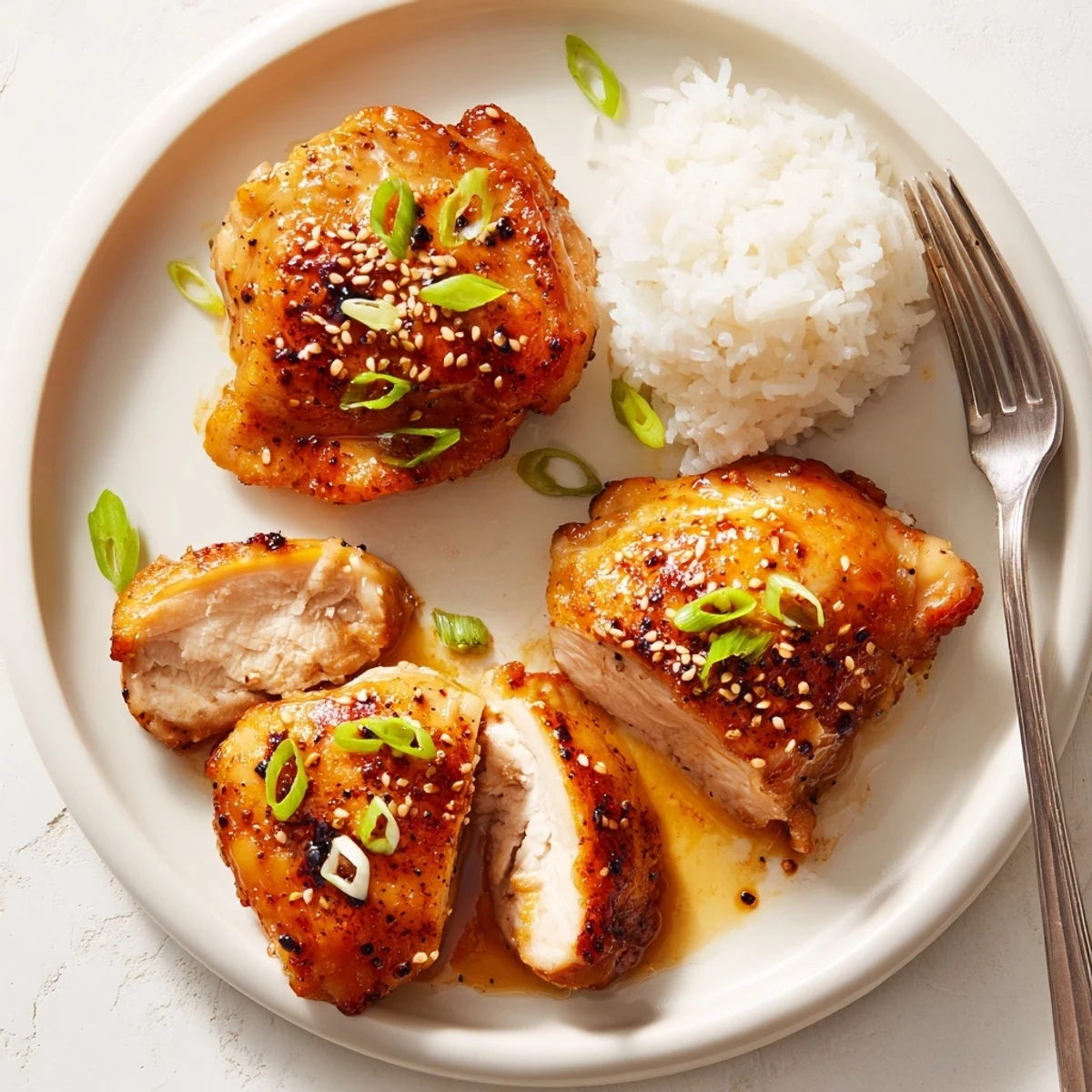
Steamed white rice is the obvious and correct choice here because it soaks up every bit of the sticky sauce, but a bed of stir fried bok choy or snap peas adds a welcome crunch that balances the richness. Noodles tossed in a little sesame oil also make a fantastic base if rice feels too predictable. For drinks, a cold glass of jasmine tea or a slightly off dry Riesling complements the sweet and savory profile without competing with it.
Making It Your Own
A shake of chili flakes in the marinade gives the whole dish a gentle warmth that builds with each bite, and a splash of hoisin sauce pushes it in a deeper, more complex direction. Chicken breasts work fine if that is what you have, though you will want to shave a few minutes off the cooking time and keep a closer eye on them because they dry out faster than thighs. The marinade itself is forgiving enough to absorb almost any twist you want to throw at it.
Getting Ahead and Storing Leftovers
The marinade can be mixed up to three days in advance and kept in the fridge, which means a weeknight dinner can go from fridge to table in under thirty minutes with almost no thought. Leftover chicken keeps well for three days refrigerated and reheats beautifully in a skillet with a splash of water to loosen the glaze. I have also shredded cold leftovers over a salad the next day and it was somehow even better than the night before.
- Freeze extra portions in the marinade raw for a future meal that practically marinates itself while thawing.
- Double the marinade and use half as a quick stir fry sauce for vegetables later in the week.
- Always check your soy sauce label if gluten is a concern because not all brands are created equal.
 Save to Pinterest
 This is the kind of recipe that makes you look like you tried much harder than you did, and there is absolutely nothing wrong with keeping that secret to yourself. Share it generously, but maybe leave out the part about how easy it actually was.
Recipe FAQs
- → How long should I marinate the chicken?
-
Allow at least 15 minutes for surface flavor to develop; marinating a few hours or overnight yields deeper, more integrated taste and more tender meat.
- → What’s the difference between baking and pan-searing here?
-
Baking is hands-off and yields even cooking with gentle caramelization when basted. Pan-searing creates a quicker, more pronounced crust and concentrated caramelized glaze—finish in the oven if needed to ensure doneness.
- → Can I use chicken breasts instead of thighs?
-
Yes. Use boneless breasts, pound to even thickness if needed, and reduce cooking time to avoid drying—check internal temperature and remove as soon as it reaches 165°F (74°C).
- → How can I make this gluten-free?
-
Swap regular soy sauce for tamari or a verified gluten-free soy alternative and check all labels (rice vinegar, hoisin if used) to ensure no hidden gluten-containing ingredients.
- → How do I thicken the leftover marinade into a glaze?
-
Simmer the reserved marinade in a small saucepan until reduced and syrupy, or whisk in a tiny cornstarch slurry (1 tsp cornstarch + 1 tbsp cold water) and simmer until glossy and thickened.
- → What’s the best way to store and reheat leftovers?
-
Refrigerate in an airtight container for up to 3–4 days. Reheat in a skillet over medium heat to refresh the glaze and preserve texture, or warm gently in a 350°F (175°C) oven.