
 Save to Pinterest
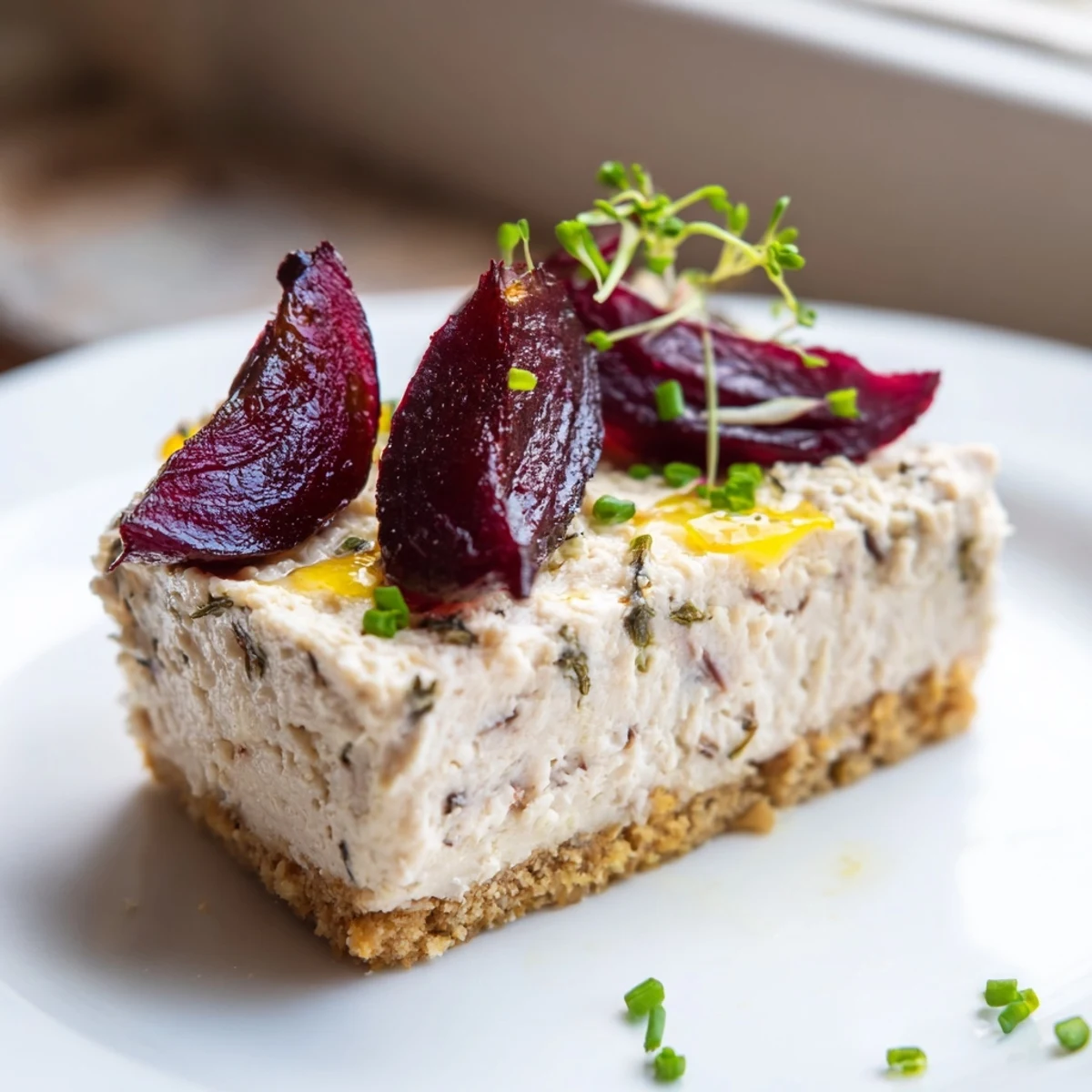
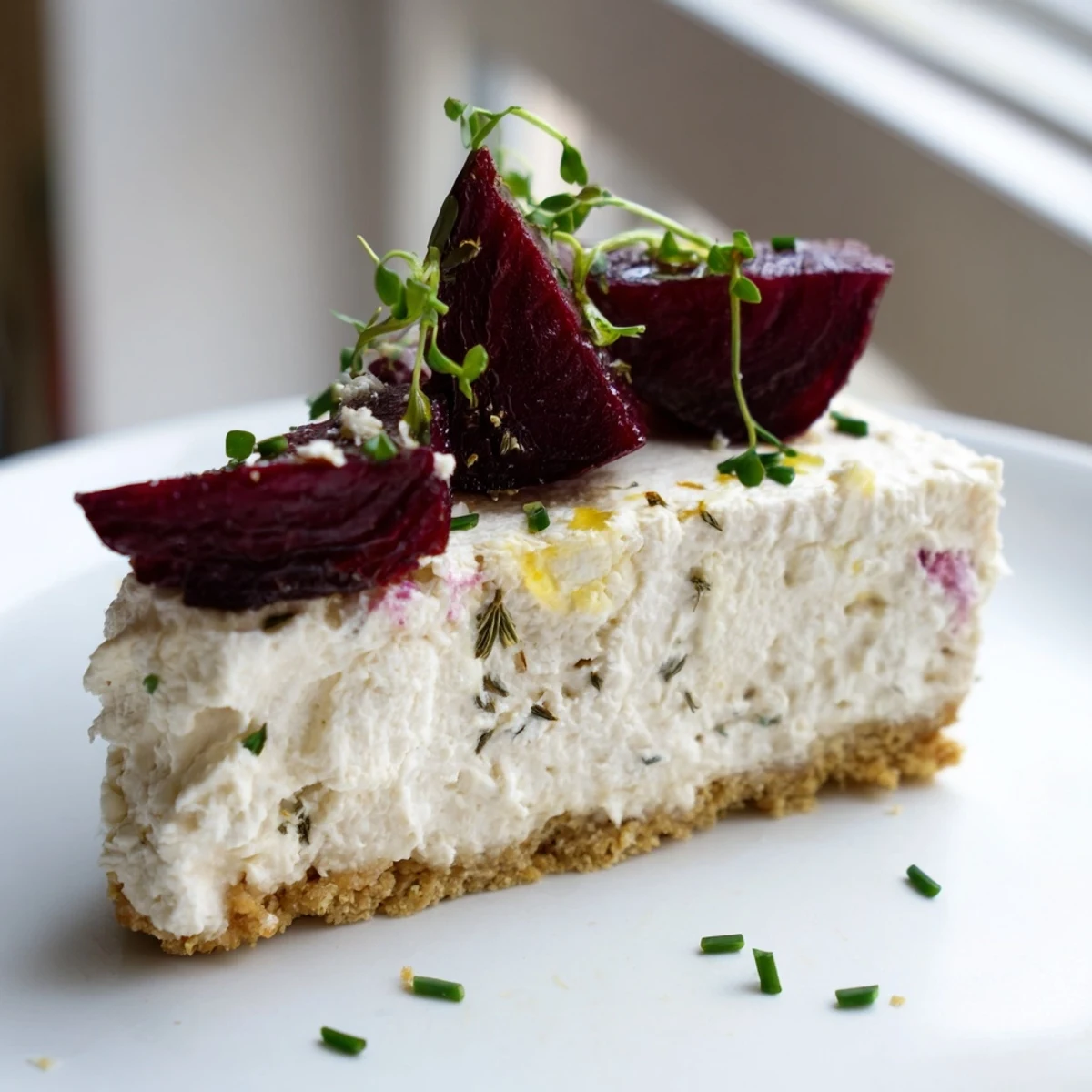
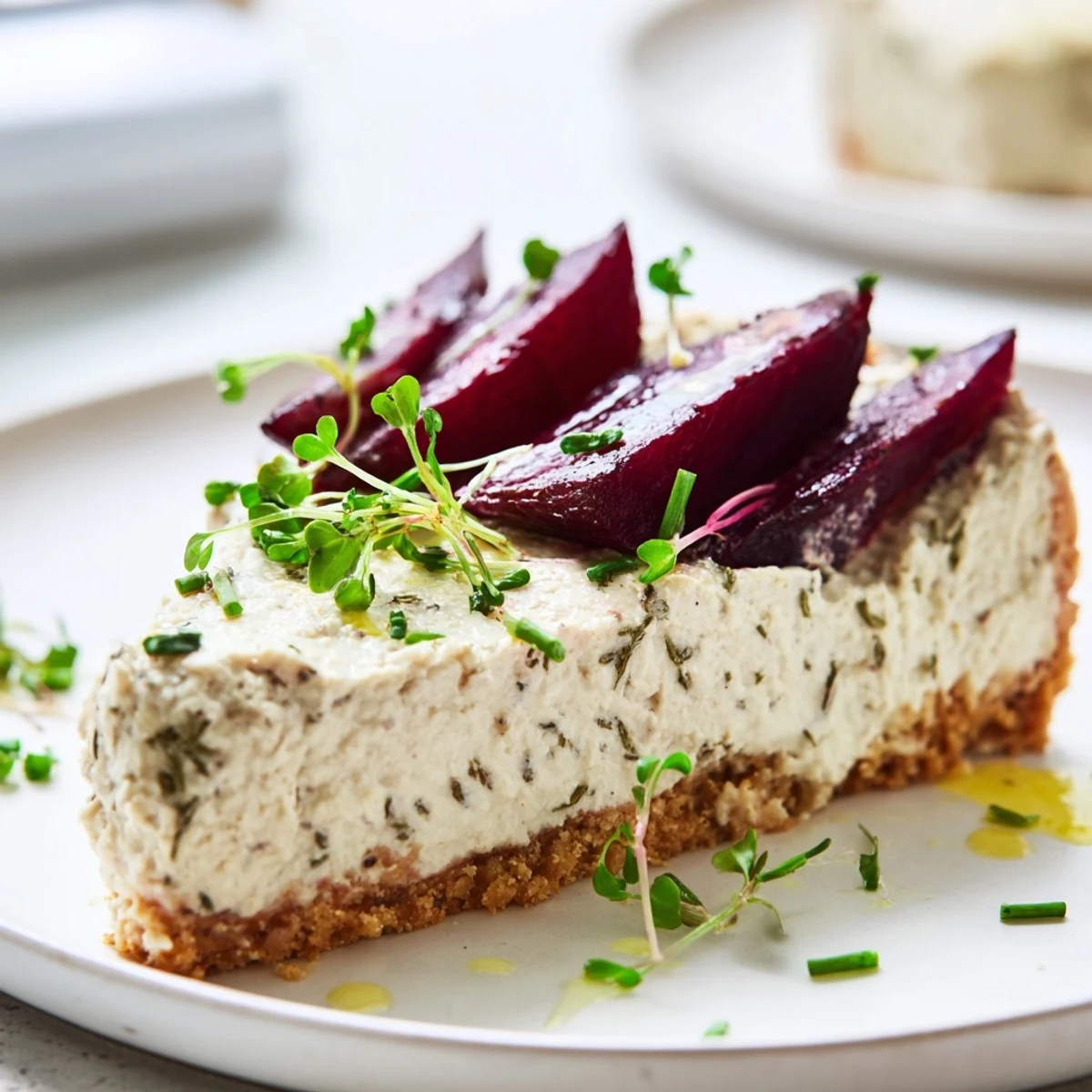
 This modern European appetizer combines a rich, creamy cheesecake base made with cream cheese, ricotta, and aged cheddar or Gruyère. The wholemeal cracker crust provides a satisfying crunch, while fresh thyme and lemon zest brighten the savoury filling. Roasted beetroot wedges, caramelized with balsamic vinegar, create a beautiful contrast against the pale cheesecake. Finished with delicate microgreens, chives, and a drizzle of olive oil, this dish serves six and works equally well as a starter or light vegetarian main course.
The first time I served this at a dinner party, my guests looked genuinely confused when I placed a cheesecake on the table alongside the main course. Their expressions shifted from puzzled to delighted after that first creamy, savory bite. Now it's the most requested dish for gatherings, and I've learned that unexpected combinations often become the most memorable ones.
Last autumn, I made this for a harvest dinner and my friend Sarah, who claims to dislike beetroots, went back for thirds. She said she'd never tasted them so sweet and caramelized, and the tangy cheesecake balanced everything perfectly. Watching someone change their mind about an ingredient they've sworn off for years is exactly why I love experimenting with savory desserts.
Ingredients
- 150 g wholemeal crackers or digestive biscuits: These create a nutty, substantial base that won't turn soggy under the creamy filling
- 60 g unsalted butter, melted: Binds the crust together and adds richness that complements the savory cheese
- 1/2 tsp sea salt: Enhances all the flavors and prevents the crust from tasting flat
- 400 g cream cheese: Use full-fat and room temperature for the silkiest, most luxurious texture
- 200 g ricotta cheese: Lightens the dense cream cheese while adding a lovely graininess
- 100 g grated mature cheddar or Gruyère: Choose aged cheese for deeper flavor that stands up to the beetroots
- 2 large eggs: Room temperature eggs incorporate better and prevent overmixing
- 1 tablespoon fresh thyme leaves: Earthy and aromatic, thyme bridges the gap between sweet and savory
- Zest of 1 lemon: Brightens the rich cheese filling and cuts through the creaminess
- 1/4 tsp ground black pepper: Adds subtle warmth and complexity
- 1/2 tsp salt: Essential for balancing the cheese and bringing out other flavors
- 3 medium beetroots: Look for firm ones with fresh greens still attached
- 2 tbsp olive oil: Helps the beetroots caramelize and roast evenly
- 1 tbsp balsamic vinegar: Intensifies the beetroots natural sweetness and adds depth
- Fresh chives and microgreens: Bring brightness and a pop of color to the final presentation
Instructions
- Build the Foundation:
- Preheat your oven to 180°C and line a 20 cm springform pan with parchment paper. Blitz the crackers into fine crumbs, then stir in the melted butter and sea salt until the mixture resembles wet sand. Press it firmly into the pan bottom and bake for 10 minutes until golden and fragrant.
- Create the Creamy Filling:
- In a large bowl, beat the cream cheese, ricotta, and grated cheese until completely smooth and no lumps remain. Add eggs one at a time, letting each fully incorporate before adding the next. Fold in the thyme, lemon zest, pepper, and salt until just combined.
- Bake to Perfection:
- Pour the filling over your cooled crust and smooth the top with an offset spatula. Bake for 40 to 45 minutes until the center has a slight wobble like gelatin. Cool completely at room temperature, then refrigerate for at least 2 hours, though overnight is even better.
- Roast the Beetroots:
- Toss the beetroot wedges with olive oil, balsamic vinegar, salt, and pepper until evenly coated. Spread them on a roasting tray and bake at 200°C for 30 to 35 minutes, flipping halfway through. They should be tender when pierced and developing caramelized edges.
- Assemble and Serve:
- Release the cheesecake from its pan and arrange the roasted beetroot wedges on top. Scatter fresh chives and microgreens generously, then finish with a generous drizzle of extra virgin olive oil. Slice and serve chilled or at room temperature.
 Save to Pinterest
 This dish became a staple in my house after I served it at my sister's birthday celebration. She's not usually adventurous with food, but she took one bite and immediately asked for the recipe. Now whenever I see those vibrant roasted beetroots against the pale cheesecake, I think of how food can surprise us in the best ways.
Make-Ahead Magic
The cheesecake base can be made up to two days in advance and stored tightly wrapped in the refrigerator. Roast the beetroots the day before and reheat them gently before serving, as warm beetroots against cool cheesecake create a lovely temperature contrast that guests always mention.
Flavor Variations
Swap the thyme for rosemary or fresh dill for a completely different personality. Try goat cheese instead of cheddar for a tangier version that pairs beautifully with the sweetness of roasted beetroots. In spring, top with roasted asparagus and pea shoots instead of beetroots.
Plating Perfection
Use a sharp knife dipped in hot water and wiped clean between slices for the cleanest cuts. Serve on individual plates with a small arugula salad dressed with lemon vinaigrette to balance the richness. A light white wine like Sauvignon Blanc cuts through the creaminess beautifully.
- Let the cheesecake stand at room temperature for 20 minutes before serving for the best texture
- Save any leftover roasted beetroots for salads the next day
- Microgreens wilt quickly, so add them right before serving
 Save to Pinterest
 There's something deeply satisfying about serving a dish that looks elegant and tastes extraordinary, yet comes from such humble ingredients. Every time I make this, I'm reminded that the best recipes are often the ones that surprise us.
Recipe FAQs
- → Can I make this cheesecake ahead of time?
-
Yes, this cheesecake actually improves when made ahead. It needs to chill for at least 2 hours, but overnight refrigeration allows the flavours to develop and the texture to set perfectly. The roasted beetroot can also be prepared a day in advance and stored separately.
- → What other cheeses work well in this filling?
-
The original recipe pairs cream cheese and ricotta with mature cheddar or Gruyère. For a tangier variation, substitute with goat cheese or feta. Blue cheese creates a bolder flavour profile, while aged Gouda or Parmesan adds a nutty depth that complements the earthy beetroot.
- → Is this suitable for gluten-free serving?
-
Absolutely. Simply replace the wholemeal crackers or digestive biscuits with certified gluten-free crackers or almond meal. The rest of the ingredients are naturally gluten-free, making this an excellent option for guests with dietary restrictions.
- → How do I know when the cheesecake is properly baked?
-
The cheesecake is done when the edges are set but the centre still has a slight wobble when gently shaken—the residual heat will complete the cooking as it cools. Overbaking may cause cracking, though this won't affect the taste. Let it cool completely in the switched-off oven with the door slightly ajar for gradual temperature change.
- → Can I roast the beetroot ahead of time?
-
Roasted beetroot keeps beautifully in the refrigerator for up to 5 days. Roast them until tender and caramelized, then store in an airtight container. Bring to room temperature before serving—they're actually more flavourful at room temperature than cold from the fridge.
- → What wines pair best with this dish?
-
The creamy, savoury elements pair wonderfully with crisp white wines like Sauvignon Blanc or Pinot Gris. For red wine lovers, a light Pinot Noir or Gamay complements the earthy beetroot without overpowering the delicate cheese flavours. A dry rosé also works exceptionally well.