
 Save to Pinterest
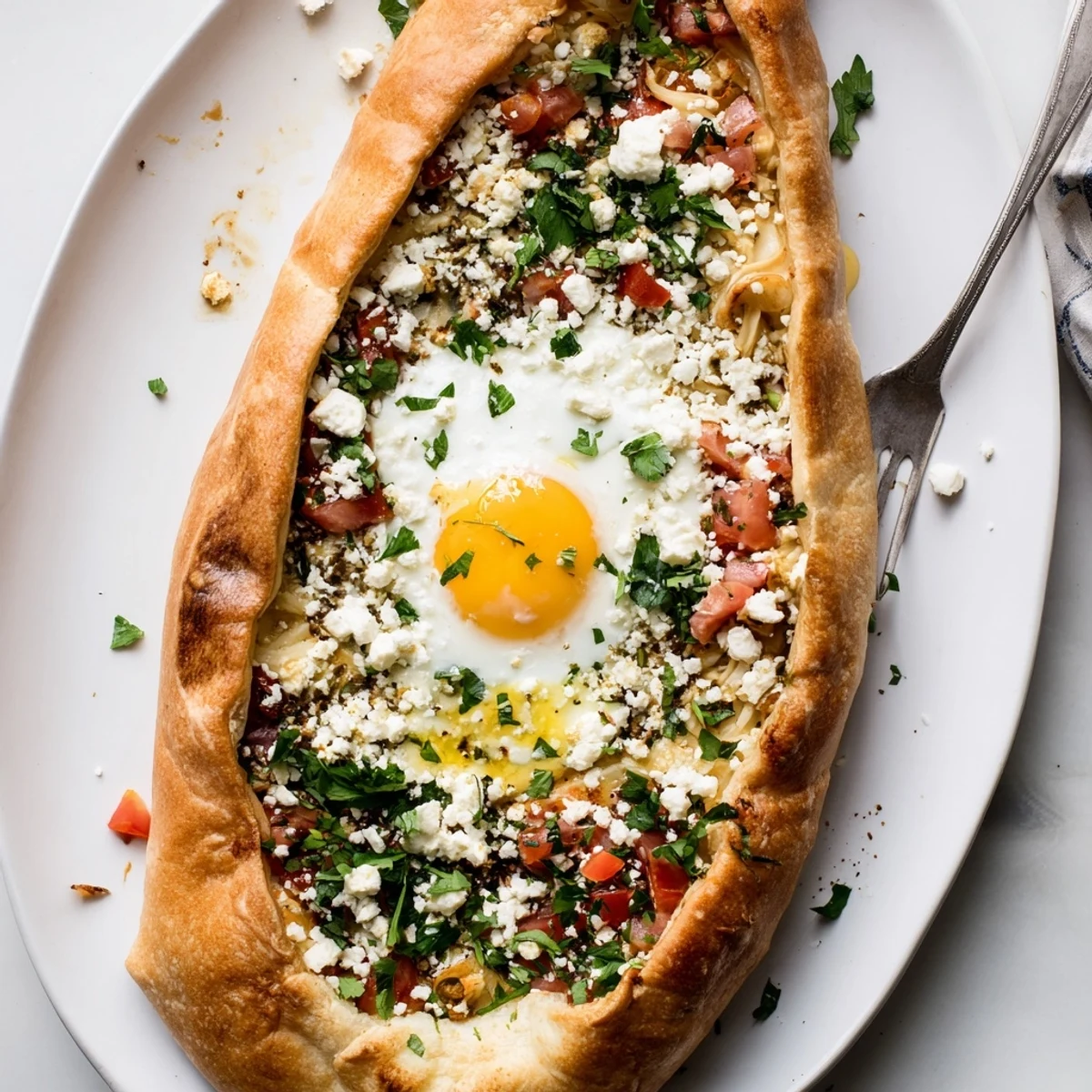
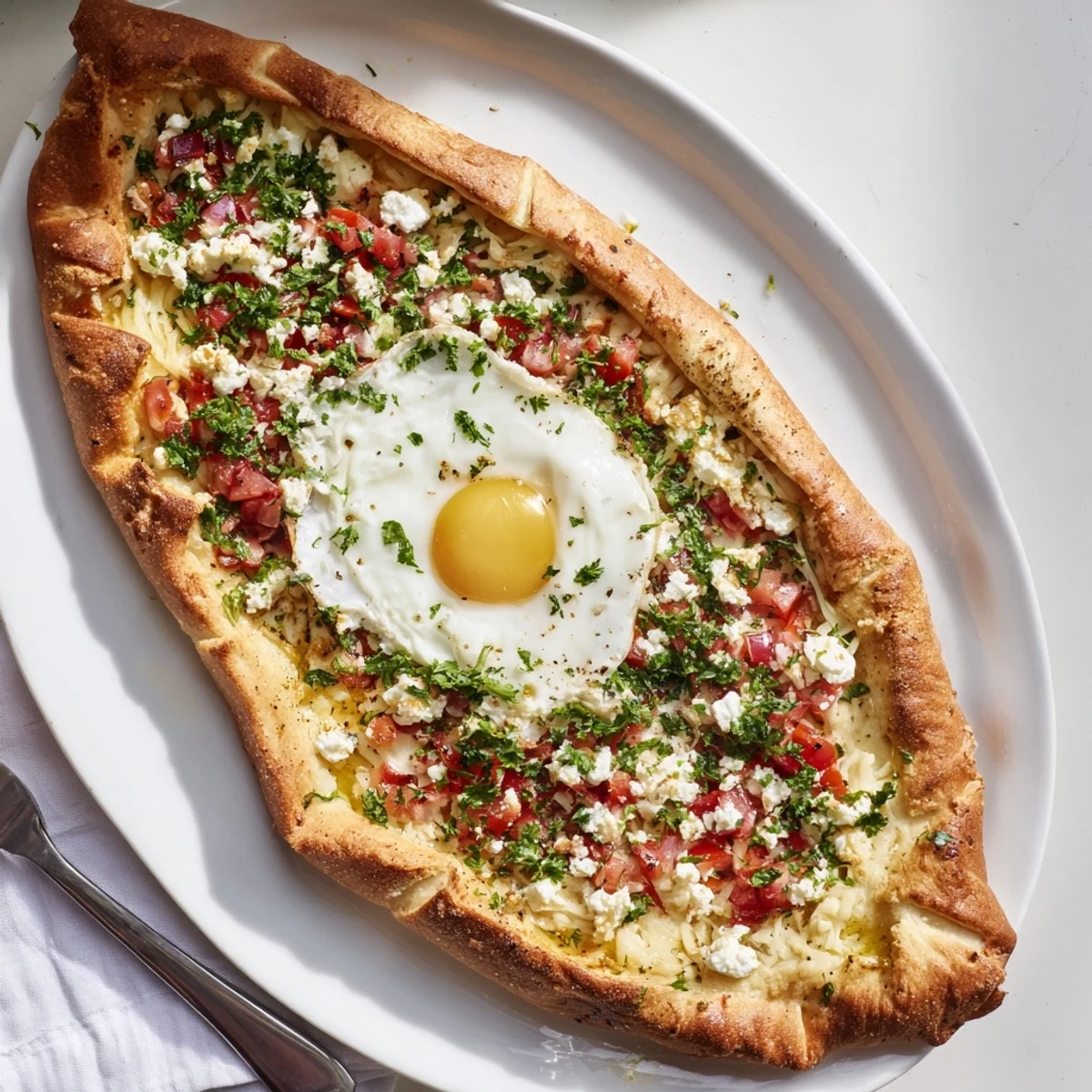
 This beloved Turkish street food features hand-stretched oval dough shaped into small boats, then generously filled with a savory blend of mozzarella and feta cheeses, diced ripe tomatoes, and aromatic herbs like parsley and oregano. The signature element is cracking a fresh egg directly into the center before baking, creating a luxurious runny yolk that mingles with the melted cheese. After 45 minutes from start to finish, you'll have four golden, crispy-edged pide perfect for sharing. The edges are brushed with butter for extra richness, while the combination of textures—crisp dough, gooey cheese, tender tomatoes, and velvety eggs—makes each bite irresistible.
The aroma of baking bread filled my tiny apartment that first night I attempted pide. I had just returned from Istanbul, still chasing the memory of those breakfast boats served at dawn in the Galata neighborhood. My first attempt was far from perfect, but watching the eggs cook in that oven heat felt like magic. Something about pulling them out, steam rising and yolks still trembling, made me understand why this dish has fed Turkish families for generations.
Last summer my sister came over skeptical about the egg situation, but she left asking for the recipe. We stood around the oven counter, stealing bits of cheese from the mixing bowl, waiting for that timer to ding. Now she makes these for her kids on Sunday mornings, and they fight over who gets the corner pieces with the most crust.
Ingredients
- 2 ¼ cups all purpose flour: This amount gives you dough thats substantial enough to hold the filling without becoming heavy or bread like
- 1 tsp instant yeast: Instant yeast eliminates the proofing step and works beautifully with warm water to get those bubbles going
- ½ tsp sugar: Just enough to feed the yeast without making the dough sweet, essential for that proper rise
- 1 tsp salt: Dont skip this, salt is what balances the rich cheese filling and gives the bread structure
- ¾ cup warm water: Warm to the touch but not hot, this activates the yeast instantly for reliable rising
- 2 tbsp olive oil: Keeps the dough tender and makes it easier to shape without springing back
- 1 cup shredded mozzarella: Provides that incredible stretch factor and mild creaminess that balances the stronger feta
- 1 cup feta cheese, crumbled: The salty tang that makes this distinctly Turkish and gives depth to every bite
- 2 medium tomatoes, seeded and diced: Seeding prevents soggy bread, and dicing ensures even distribution throughout the filling
- 2 tbsp fresh parsley, chopped: Brings brightness and cuts through the rich cheese and egg combination
- 1 tsp dried oregano: Adds that classic Turkish flavor profile and complements the tomatoes beautifully
- ½ tsp ground black pepper: Freshly cracked makes all the difference here, adding subtle heat
- 4 large eggs: The star of the show, room temperature eggs cook more evenly and give you that perfect runny yolk
- 2 tbsp butter, melted: Brushing the edges creates that gorgeous golden finish and adds irresistible flavor
- Extra chopped parsley: Fresh garnish that makes these look like they came from a bakery window
Instructions
- Mix your dough base:
- Combine flour, yeast, sugar, and salt in your largest bowl, then pour in the warm water and olive oil. Stir until everything comes together in a shaggy mass, then turn it out and knead for about 8 minutes until the dough feels smooth and springs back when you press it.
- Let the dough rise:
- Cover the bowl with a clean towel and set it somewhere warm for an hour, until it has doubled in size. This rest period is non negotiable, it develops the gluten structure and creates those air pockets that make the bread light.
- Get your oven ready:
- Preheat to 475°F with plenty of time to spare, and line a baking sheet with parchment paper. That high heat is what creates the crispy bottom crust while keeping the inside tender.
- Prepare the filling:
- Mix mozzarella, feta, diced tomatoes, parsley, oregano, and pepper in a bowl until combined. Taste a tiny bit and adjust the seasoning if needed, though the feta usually provides enough salt.
- Shape the boats:
- Punch down the risen dough and divide it into four equal pieces. Roll each piece into an oval about 10 by 4 inches, then transfer to your prepared baking sheet.
- Fill and form:
- Spread the cheese mixture over each oval, keeping a border around the edges. Fold the sides up slightly and pinch the ends to create that signature boat shape that holds everything in place.
- First bake:
- Brush the dough edges with melted butter and bake for 10 minutes until just starting to color. This pre bake sets the structure so your egg stays contained instead of running everywhere.
- Add the eggs:
- Carefully crack an egg into the center of each pide, then return to the oven for 7 to 10 more minutes. Watch closely through the oven door, you want the whites set but those yolks still gloriously runny.
- Finish and serve:
- Brush the crusts with more butter if they look dry, scatter with fresh parsley, and get these to the table while they are still hot. That contrast between the warm, runny yolk and the crispy edges is what makes this dish unforgettable.
 Save to Pinterest
 My friend who swears she cannot cook made these for her book club last month and texted me immediately after. Theyve become her go to for impressing people without spending hours in the kitchen, and I love that about this recipe, it looks complicated but is actually quite forgiving.
Getting That Perfect Crust
The key is brushing with melted butter right before that first bake and again after if needed. That high oven temperature does most of the work for you, creating those beautiful golden edges that crunch when you bite into them.
Customizing Your Filling
Spinach works beautifully added to the cheese mixture, just saute it first and squeeze out excess moisture. Sometimes I add caramelized onions when I want something sweeter, or a pinch of red pepper flakes for extra heat.
Serving Suggestions
A simple cucumber and tomato salad on the side balances the richness perfectly. Some pickled vegetables or olives bring that authentic Turkish touch, and honestly, these are substantial enough to be a meal on their own with just a light side.
- Let everyone break their own yolk, theres something satisfying about that first cut
- Have extra butter brushed and ready in case the crusts seem dry after baking
- These reheat surprisingly well, though nothing beats them fresh from the oven
 Save to Pinterest
 However you serve these, I hope they bring a little bit of Istanbul warmth to your table.
Recipe FAQs
- → What makes Turkish pide different from pizza?
-
Pide features a distinctive boat shape with folded and pinched edges, creating a vessel for toppings. The dough is typically softer and more bread-like than pizza crust, and toppings often include eggs baked directly on top, which isn't common in traditional pizza preparation.
- → Can I prepare the dough ahead of time?
-
Yes, the dough can be prepared and refrigerated for up to 24 hours before shaping and baking. Let it come to room temperature for 30 minutes before rolling out, as cold dough will be difficult to stretch into the required oval shapes.
- → How do I know when the eggs are properly cooked?
-
The ideal pide has set egg whites with slightly runny yolks. This usually takes 7-10 minutes after adding the eggs. If you prefer firmer yolks, extend the baking time by 2-3 minutes, but watch carefully to avoid overcooking the dough edges.
- → What cheese substitutes work well in this filling?
-
Kashar cheese is the traditional Turkish choice, but young Gouda or provolone make excellent mozzarella substitutes. For the feta, you can use Teleme cheese or any salty crumbly cheese. Avoid highly processed cheeses as they won't melt properly.
- → Can I freeze baked pide?
-
Baked pide freezes well for up to 3 months. Wrap individually in plastic and foil, then thaw overnight in the refrigerator. Reheat in a 350°F oven for 8-10 minutes to restore crispness. However, for best results with the egg topping, enjoy fresh.
- → What should I serve with Turkish pide?
-
Traditional accompaniments include shepherd's salad (coban salatasi), pickled vegetables, and creamy yogurt. For brunch, serve with Turkish tea or ayran. A simple green salad with lemon vinaigrette provides a refreshing contrast to the rich, cheesy filling.